
Kukah Centre Responds to Debate Over Claims of Christian Targeting in Nigeria
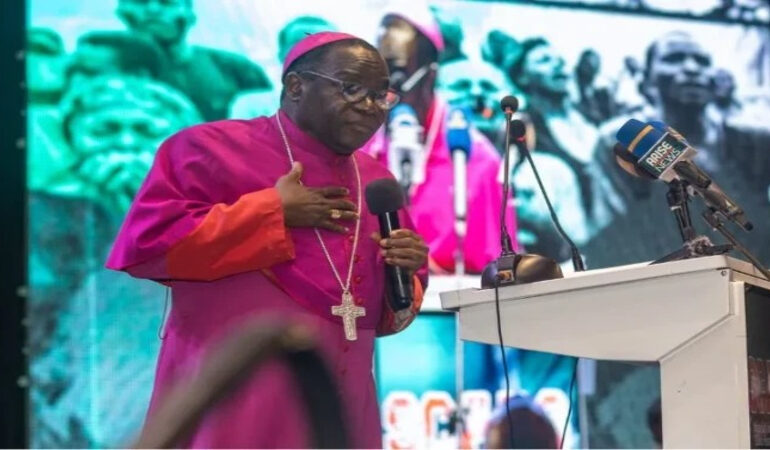

A public policy foundation in Nigeria has issued a detailed response following widespread discussion over comments attributed to Bishop Matthew Hassan Kukah concerning allegations of Christian genocide in the country. The Kukah Centre stated that recent media reports had not accurately reflected the bishop’s long standing work on religious freedom or the precise context of his remarks at two separate gatherings this year. According to the foundation, the bishop’s position has consistently focused on the need for credible data and careful terminology when describing the violence affecting Christian communities, while still acknowledging the seriousness of their suffering. The debate emerged after the bishop questioned claims that more than one thousand churches are destroyed annually in Nigeria, noting that such figures require verification through institutional sources. His emphasis on intent as a defining element of genocide prompted strong reactions from advocacy groups, particularly as many communities continue to grapple with targeted attacks, loss of property and long periods of insecurity.
The discussion also highlighted the complex landscape of violence in northern Nigeria, where religious identity intersects with political instability, criminal activity and longstanding regional inequalities. Father Atta Barkindo, executive director of The Kukah Centre, argued that focusing solely on media narratives risks obscuring the breadth of the issue. He explained that the centre’s concern is not to diminish the scale of Christian suffering but to ensure that public discourse aligns with factual evidence and contributes to sustainable policy solutions. His statement affirmed that the bishop recognizes the gravity of persecution in parts of the country and has repeatedly acknowledged that many Nigerians are being targeted because of their beliefs or ethnic backgrounds. At the same time, Barkindo warned that mischaracterizing the bishop’s views could hinder ongoing efforts to foster unity, promote responsible reporting and strengthen mechanisms for early detection of potential violence. The foundation reiterated its commitment to advocating for zero tolerance toward religious persecution and maintaining solidarity with affected communities.
Reactions from Christian organizations in Nigeria have varied, with some groups insisting that the violence clearly constitutes a form of Christian genocide, while others call for deeper analysis before applying such terminology. The debate underscores the challenges facing religious leaders and policymakers as they address a crisis shaped by inconsistent data, regional complexities and differing interpretations of intent. Critics fear that downplaying the nature of the violence may weaken international pressure that could help protect vulnerable groups, while supporters of the bishop’s position argue that accurate classification is essential for effective intervention. The controversy has also brought renewed attention to The Kukah Centre’s ongoing work in mediation, conflict prevention and the promotion of interreligious cooperation across Nigeria’s thirty six states. As conversations continue, both within the Church and across civil society, the foundation maintains that constructive engagement rooted in clarity and accountability remains the most productive path toward safeguarding religious freedom and addressing the deep wounds caused by years of instability.