

Latin America’s Church Faces Renewed Questions of Social Mission and Identity
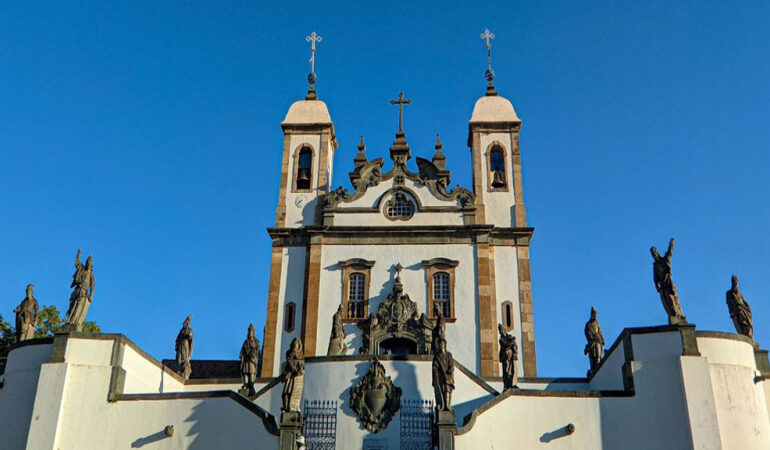

Across Latin America, the Catholic Church continues to play a defining role in public life, even as social conditions and cultural expectations evolve. For generations, the Church has been closely linked to education, social advocacy, and community organization. Today, renewed economic inequality, political polarization, and changing religious landscapes are prompting deeper reflection on how the Church understands its mission and identity in the region.
While Catholicism remains influential, the Church now operates in societies marked by rising secular voices and growing religious diversity. These shifts have led bishops, clergy, and lay leaders to reassess how faith is lived and expressed in public life. The challenge is not only to preserve tradition, but to articulate a social mission that speaks credibly to contemporary realities without losing spiritual depth.
Reexamining the Church’s Social Role
The Church in Latin America has long been associated with advocacy for the poor and marginalized. From parish outreach programs to national social initiatives, Catholic institutions have provided education, healthcare support, and moral guidance. In recent years, however, widening economic gaps and social unrest have intensified expectations placed on the Church.
Many Catholics look to Church leadership for clarity and action on issues such as poverty, migration, and access to basic services. This has renewed internal discussions about how the Church balances spiritual formation with social engagement. The emphasis increasingly falls on ensuring that charitable work remains rooted in faith rather than becoming detached from its moral foundations.
Navigating Political Polarization
Political division across Latin America has placed the Church in a delicate position. In several countries, polarized public debate has drawn religious voices into contested spaces, sometimes testing the Church’s ability to remain a unifying presence. Church leaders often face pressure to take positions on policy issues while avoiding alignment with specific political movements.
This environment requires careful discernment. Speaking out on moral concerns remains central to the Church’s mission, yet credibility depends on maintaining independence and fairness. Many bishops have emphasized dialogue and peace building, seeking to promote social harmony rather than deepen divisions. This approach reflects an understanding that moral authority is sustained through consistency and restraint.
Identity in a Changing Religious Landscape
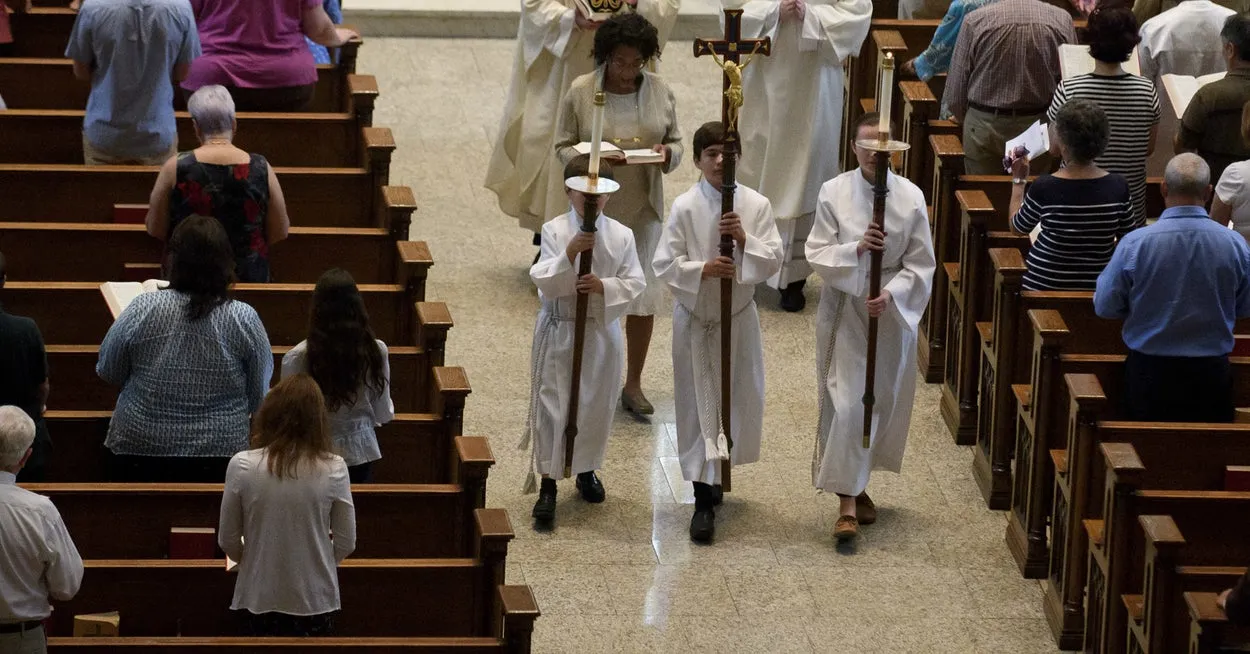
Latin America’s religious landscape has shifted noticeably in recent decades. While Catholicism remains the largest faith tradition, other religious movements have gained influence, particularly among younger populations. This reality has prompted reflection on how Catholic identity is communicated and lived at the parish level.
Church leaders increasingly emphasize personal formation, community life, and pastoral presence. Rather than relying on cultural inheritance alone, there is a growing focus on intentional faith engagement. This shift aims to strengthen Catholic identity through participation and understanding rather than assumption.
The Role of Lay Leadership
Lay Catholics play a central role in shaping the Church’s social mission across Latin America. In many communities, lay leaders coordinate charitable programs, catechesis, and advocacy efforts. Their involvement reflects both necessity and opportunity, especially in areas with limited clergy.
This expanded role has prompted renewed attention to formation and accountability. Supporting lay leadership with theological education and pastoral guidance helps ensure that social action remains aligned with Church teaching. It also strengthens local communities by fostering shared responsibility for the Church’s mission.
Youth and the Future of the Church
Young people represent a critical dimension of the Church’s future in Latin America. Economic uncertainty, migration pressures, and cultural change shape their experiences and expectations. Engaging youth requires addressing both spiritual questions and social realities that affect daily life.
Many Church initiatives now focus on youth formation that integrates faith with service and community involvement. By connecting belief with action, the Church seeks to offer young Catholics a sense of purpose rooted in both identity and responsibility. This approach reflects an effort to make faith relevant without diluting its meaning.
Conclusion
Latin America’s Catholic Church stands at a moment of reflection shaped by social change and renewed questions of identity. As it navigates political polarization, economic inequality, and evolving cultural norms, the Church continues to reassess how its social mission is lived and understood. By grounding engagement in faith, strengthening lay participation, and listening attentively to younger generations, the Church seeks to remain a credible moral presence while staying true to its spiritual foundations.