
Latin Mass Proposal Raised Ahead of Cardinals Meeting
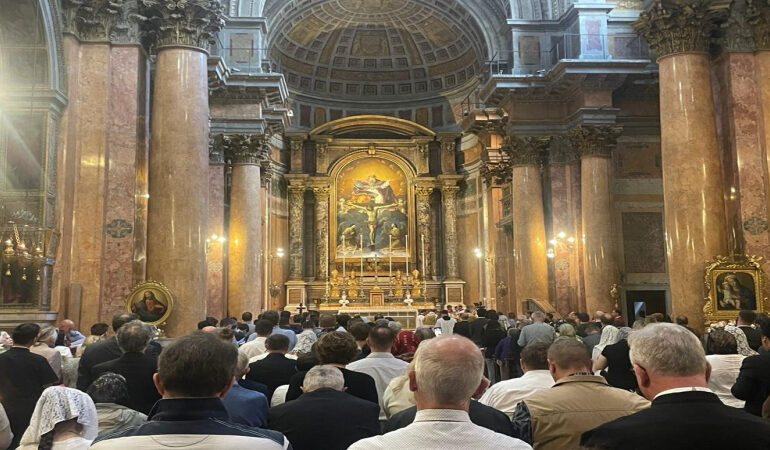

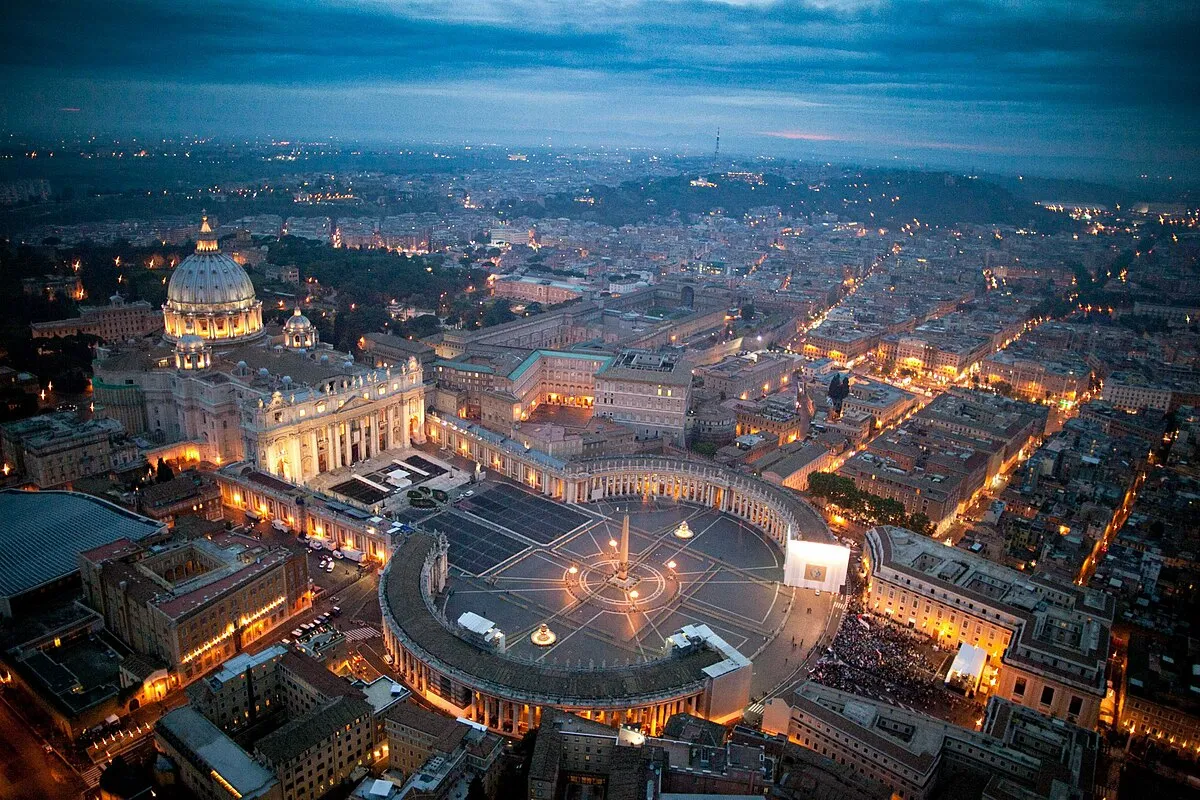
As cardinals gather in Rome for the first extraordinary consistory of Pope Leo XIV, a renewed proposal aimed at easing tensions around the Traditional Latin Mass has entered Church debate. A French priest closely associated with communities attached to the older liturgical form has circulated a memorandum urging the creation of a dedicated canonical structure to oversee celebrations of the preconciliar rite. The proposal comes amid uneven global implementation of restrictions introduced in recent years, which have led to pastoral uncertainty in several dioceses. Supporters of the idea argue that the absence of a stable juridical framework has contributed to recurring conflict, placing both bishops and faithful in difficult positions. The memorandum was shared with members of the College of Cardinals ahead of their deliberations, framing the suggestion as a contribution to reflection rather than a formal appeal. Its timing highlights the continued sensitivity of liturgical questions as the new pontificate seeks unity without reopening long standing divisions.
The proposal envisions a personal ecclesiastical jurisdiction that would gather priests and faithful attached to the Traditional Latin Mass under a single authority without being defined by territory. Modeled on structures such as military ordinariates, this arrangement would allow cumulative jurisdiction, meaning participants would remain part of their local dioceses while also belonging to the new body. Advocates say such a framework could provide clarity by entrusting oversight to bishops familiar with the older liturgical books, while relieving diocesan ordinaries who may feel unprepared or unwilling to manage these communities. By separating administrative responsibility from geographic boundaries, the plan aims to preserve communion with local Churches while offering continuity to faithful who have experienced frequent changes in access to the traditional rite. Proponents argue that this approach could reduce friction and prevent further marginalization of communities that identify strongly with the older form of the Roman liturgy.
The initiative emerges against the backdrop of restrictions that reversed earlier permissions and gave diocesan bishops greater control over the celebration of the Traditional Latin Mass. In practice, this has produced divergent outcomes, with some dioceses maintaining limited coexistence and others sharply curtailing or suppressing celebrations altogether. Critics of the current situation contend that inconsistent application has deepened divisions and fostered a sense of instability, particularly in parts of Europe and North America. The memorandum recalls earlier efforts by the Holy See to provide canonical solutions following earlier liturgical disputes, noting that while some structures were established in specific cases, no global framework was ever adopted. The lack of a comprehensive solution, supporters say, has left communities in a recurring state of vulnerability whenever leadership or policy shifts.
Not all Church voices view the proposal favorably. Some priests and commentators caution that a separate jurisdiction could risk isolating traditionalist communities, reducing opportunities for mutual enrichment within diocesan life. Others argue that dialogue and integration within existing structures remain preferable to creating parallel systems. Even so, the proposal has been described by some observers as a constructive attempt to move beyond polarized debate by offering an institutional path toward stability. By addressing pastoral realities without directly challenging papal authority, it reflects a broader desire among some clergy to find durable solutions that respect both ecclesial unity and legitimate liturgical diversity. Whether the idea gains traction remains uncertain, but its circulation underscores that the question of the Traditional Latin Mass remains unresolved as the Church enters a new phase of leadership.