Latin Mass Supporters Warn SSPX Dispute Risks Deepening Tensions in Liturgy Debate


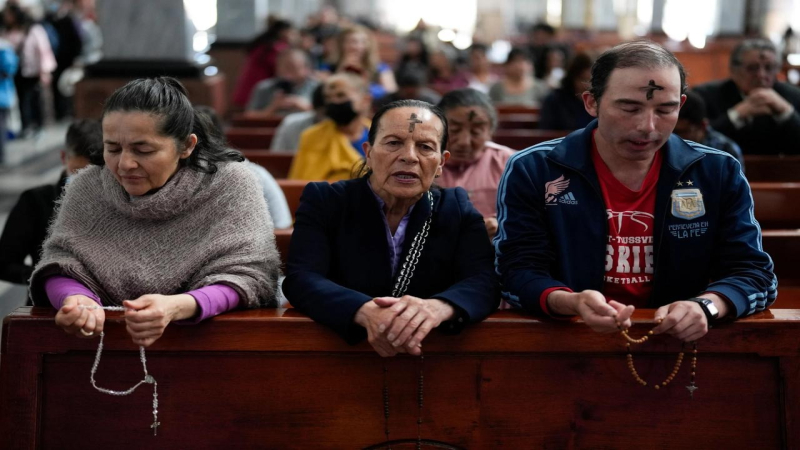
Supporters of the Traditional Latin Mass have voiced concern that a renewed controversy involving the Society of St. Pius X could complicate ongoing discussions about liturgical practice within the Catholic Church.
The debate intensified after the SSPX announced plans to consecrate bishops without a papal mandate, a move that could carry canonical consequences. The situation has drawn attention across Catholic communities, particularly among those who attend the pre Vatican II form of the Mass but remain fully within diocesan structures.
Joseph Shaw, chairman of the London based Latin Mass Society, said the SSPX decision risks confusing public perception of Catholics who support the Traditional Latin Mass while remaining in communion with Rome. Speaking at a symposium on liturgical renewal in London, he expressed concern that bishops and Vatican officials might conflate distinct groups. He noted that many lay faithful who prefer the older liturgical form have sought dialogue and stability rather than confrontation.
The SSPX, founded in 1970 by Archbishop Marcel Lefebvre, has long been at odds with aspects of the Second Vatican Council, particularly its teachings on liturgical reform, ecumenism and religious liberty. The society’s previous unauthorized episcopal consecrations in 1988 led to excommunications later lifted, though canonical tensions persisted. The current announcement has revived fears of renewed rupture.
Supporters of the Traditional Latin Mass outside the SSPX have emphasized their acceptance of Church authority and of the Council’s doctrinal legitimacy. They have expressed hope that Pope Leo XIV might consider adjustments to restrictions introduced under Pope Francis in the 2021 apostolic letter Traditionis Custodes, which limited celebrations of the older liturgical form.
Some theologians have urged caution against broad generalizations. Dominican theologian Fr. Dominic White suggested that while the SSPX’s stance raises legitimate ecclesial concerns, most Catholics attached to the older form of the Mass do not share its critiques of Vatican II. He also acknowledged the need for renewed theological dialogue and pastoral sensitivity.
The issue has broader implications for Church unity. Advocates of the Traditional Latin Mass argue that Eastern Catholic Churches and personal ordinariates for former Anglicans have been permitted to preserve distinctive liturgical traditions. They contend that similar pastoral accommodation could foster harmony rather than division.
At the same time, Church leaders have cautioned against using liturgy as a platform for ideological conflict. Observers note that debates over the Mass often intersect with wider questions about authority, synodality and ecclesial identity. The controversy surrounding the SSPX comes as Pope Leo XIV continues to define his pastoral approach to liturgical questions early in his pontificate. While no policy changes have been announced, the current tensions highlight the delicate balance between safeguarding unity and respecting legitimate diversity within the universal Church.