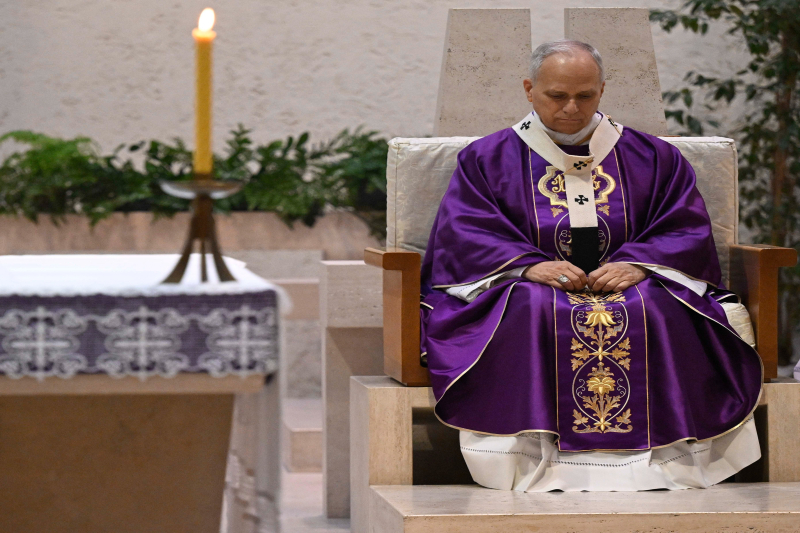



A Lebanese Maronite Catholic priest was killed in southern Lebanon after an Israeli tank fired on a residential house in the village of Qlayaa, intensifying concern about the growing impact of regional violence on civilian communities. The priest, Father Pierre al Rahi, had been serving as the parish priest of the Maronite community in the village near the Israeli border. According to church officials and local reports, he died after being wounded while responding to an emergency at a house that had been struck during military operations. The incident has drawn strong reactions from Catholic leaders and humanitarian groups who fear that religious communities are increasingly being caught in the conflict.
Father Pierre al Rahi had reportedly refused evacuation orders issued by the Israeli military for the area, choosing instead to remain with the Christian community he served. Qlayaa is a predominantly Maronite village of roughly eight thousand residents located in the Marjayoun district close to the Israeli border. Local clergy said the priest and other church leaders decided to stay in order to support parishioners who were facing growing insecurity as violence intensified in the region. Residents had already been experiencing significant tension due to military activity and warnings that the area could become a target in the wider confrontation between Israeli forces and Hezbollah fighters.
The fatal incident occurred after an Israeli tank fired on a house in the village, reportedly injuring the residents inside. According to witnesses and local reports, Father al Rahi rushed to the scene along with several neighbors in an attempt to assist the wounded family. While they were providing help the house was struck again by artillery fire, leaving the priest seriously injured. He was later transported for medical treatment but died from his wounds. Several other civilians were also injured during the attack, raising fears among residents about the increasing danger faced by people remaining in the region.
Church leaders in Lebanon expressed sorrow over the death of the priest and described him as a devoted pastor who remained committed to his parish even as conditions worsened. One senior Catholic official in Lebanon confirmed that Father al Rahi had deep ties to the local community and was widely respected by residents in both his home village and the parish he served. Humanitarian organizations and Catholic groups also reacted to the news by urging prayers for the priest and the people of southern Lebanon, while calling attention to the dangers faced by civilians and religious leaders in conflict zones.
The death of Father al Rahi comes amid an escalation of violence in southern Lebanon where Israeli military operations have intensified against Hezbollah positions. Air strikes and artillery attacks have targeted areas suspected of housing militant activity, including locations in southern Lebanon, Beirut, and the Bekaa Valley. The conflict has forced large numbers of civilians to flee their homes in search of safety, creating an increasingly serious humanitarian situation in several regions of the country. Entire communities in border areas are now facing displacement as residents seek refuge away from zones of active fighting.
Before his death Father al Rahi had spoken publicly about the determination of villagers to remain on their land despite the growing threat of violence. In a televised interview he emphasized that the residents of Qlayaa were committed to defending their community peacefully without taking up arms. His words reflected the deep attachment many families in the area feel toward their homes and traditions. The priest’s decision to remain with his parishioners until the end has since become a powerful symbol for many Lebanese Christians who view his actions as an example of pastoral dedication during one of the region’s most difficult moments.