
Legacy of César Chavez Reexamined as Abuse Allegations Spark National Debate
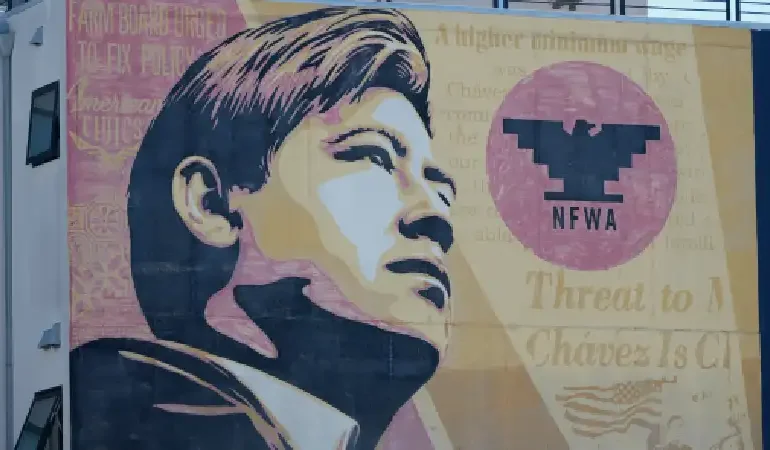

The legacy of César Chávez, long regarded as a central figure in the fight for farmworkers’ rights in the United States, is facing renewed scrutiny following sexual abuse allegations that have prompted widespread reflection across communities and institutions. Advocates, historians, and supporters are now grappling with how to reconcile his historic contributions with claims that have deeply unsettled public perception.
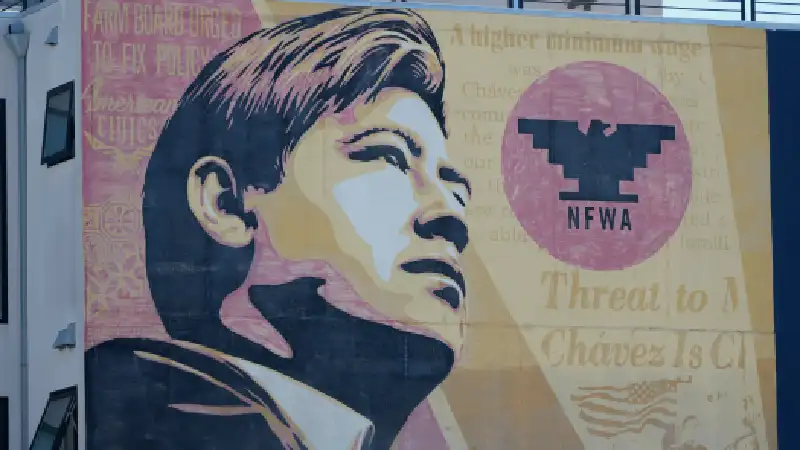
For many who worked alongside Chávez or admired his leadership, the revelations have been profoundly personal. Community leaders in places like Phoenix have begun removing his images and reconsidering public tributes. The emotional response reflects the depth of Chávez’s influence, particularly among Latino communities, where he symbolized dignity, labor rights, and social justice for decades.
The allegations include claims that Chávez abused young girls involved in the farmworker movement, as well as accusations from Dolores Huerta, his longtime collaborator and co-founder of the United Farm Workers. Huerta revealed that she experienced manipulation and coercion in her relationship with Chávez, adding a significant voice to the broader conversation. Her testimony has intensified calls to reassess how Chávez is remembered in public life.
Despite the gravity of the allegations, many advocates stress that the labor movement Chávez helped build extends far beyond one individual. Organizations and community leaders have emphasized that the achievements of farmworkers, including improved wages and working conditions, were the result of collective struggle. This perspective seeks to preserve the broader historical impact while acknowledging the need for accountability.
Institutions have already begun responding. Some states and organizations are reconsidering memorials, public holidays, and buildings named after Chávez. There have been calls to replace his name with figures such as Huerta, whose contributions to civil rights and labor advocacy have also been widely recognized. Events marking Chávez’s legacy, including annual celebrations, have been canceled or scaled back in light of the controversy.
Historians note that Chávez was a complex figure, admired for his leadership but also criticized during his lifetime for internal union practices. The current moment has brought renewed attention to those contradictions, raising broader questions about how societies evaluate historical figures whose achievements are intertwined with troubling personal conduct.
Chávez’s family and associated organizations have expressed support for those coming forward, emphasizing the importance of listening to survivors and addressing the allegations with seriousness. The César Chávez Foundation has indicated it will reassess its direction, signaling a shift in how his legacy may be presented in the future.
The debate now unfolding reflects a wider societal challenge: how to honor transformative contributions while confronting credible accusations of harm. As communities continue to process the allegations, the conversation around Chávez is evolving into a broader reflection on leadership, accountability, and the complexities of historical legacy.