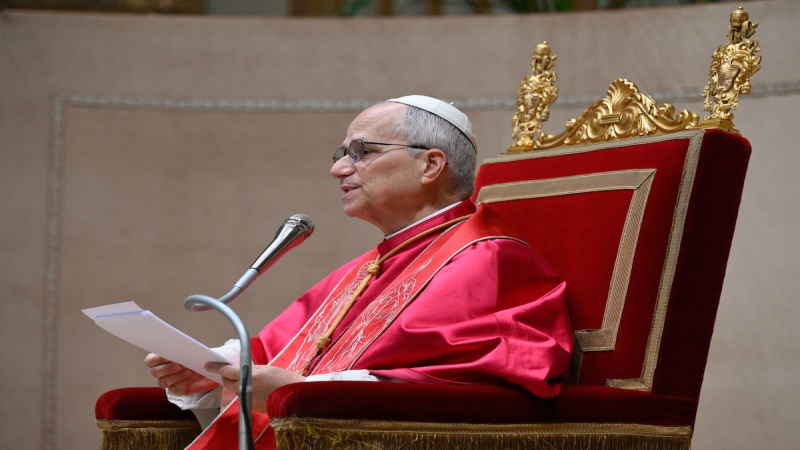



A growing internal dispute within the Diocese of Charlotte has drawn the attention of Vatican authorities after dozens of diocesan priests raised formal questions about the scope of episcopal authority in liturgical matters. The concerns stem from a pastoral directive issued in late 2025 by Michael Martin, announcing the removal of altar rails, kneelers, and movable prayer benches used during the distribution of Communion. In a letter addressed to the Dicastery for Legislative Texts, priests asked whether a bishop may lawfully prohibit physical accommodations that assist members of the faithful who choose to receive Communion kneeling. The appeal frames the issue not as personal preference but as a question of rights, norms, and the balance between communal practice and individual conscience within the Roman rite.
The priests’ letter, submitted in early January, reportedly bears the signatures of more than thirty clergy, with additional support alleged among others who chose not to sign openly. The document reflects unease following the bishop’s directive that all fixtures facilitating kneeling be removed from churches by mid January, even in parishes where altar rails have long been customary. While the bishop affirmed that no communicant may be denied Communion for kneeling, he emphasized standing as the normative posture in the United States and encouraged a shared bodily expression as a sign of unity. For critics, however, the removal of kneelers is seen as a practical impediment rather than a neutral guideline, effectively discouraging a posture that remains permitted under universal Church law and long standing custom.
The dispute has also revived tensions surrounding broader liturgical direction within the diocese. References in the priests’ appeal point to earlier internal communications that suggested limits on traditional elements such as Latin usage, certain vestments, and altar ornamentation, citing post conciliar reforms. Although diocesan leadership has stated that only norms related to the distribution of Communion have been formally modified, the accumulation of directives has contributed to anxiety among clergy and laity alike. Some priests have described an atmosphere of caution and mistrust, suggesting that internal disagreement is increasingly difficult to express openly. The appeal to Rome reflects a desire for juridical clarity rather than confrontation, signaling uncertainty about how far episcopal discretion extends when longstanding liturgical structures are involved.
In public responses, the bishop has defended the changes as consistent with national and universal norms, welcoming questions while rejecting claims that kneeling itself has been restricted. He has also emphasized that internal deliberations should not be treated as definitive policy. The Vatican has not yet indicated whether it will respond formally to the submitted questions. As the issue awaits clarification, the situation in Charlotte highlights a recurring challenge within the Church, where authority, tradition, and pastoral unity intersect. The case illustrates how liturgical practice can become a focal point for wider concerns about governance, consultation, and the lived experience of faith at the parish level.