
L’Osservatore Romano Director Reflects on Vatican Radio at 95 Saying God Favors Radio
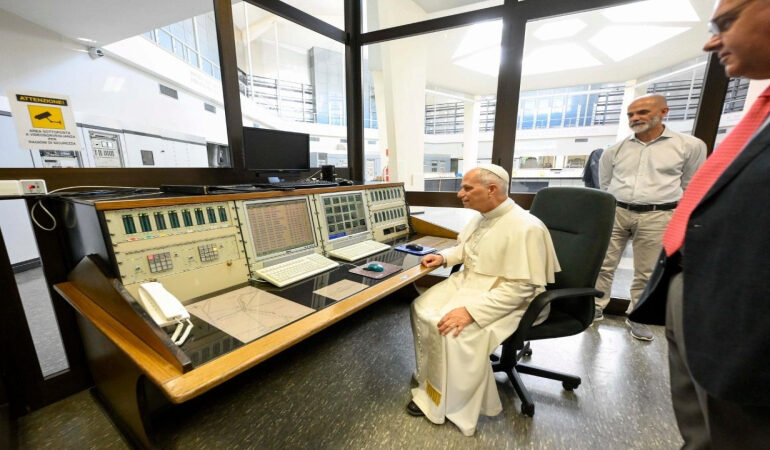

As Vatican Radio marks its ninety fifth anniversary, the Director of L’Osservatore Romano Andrea Monda has offered a reflection on the enduring role of radio in the life of the Church, describing it as a medium uniquely suited to the way God communicates. His meditation comes as the Vatican’s historic broadcasting service reaches a milestone that highlights nearly a century of global outreach.
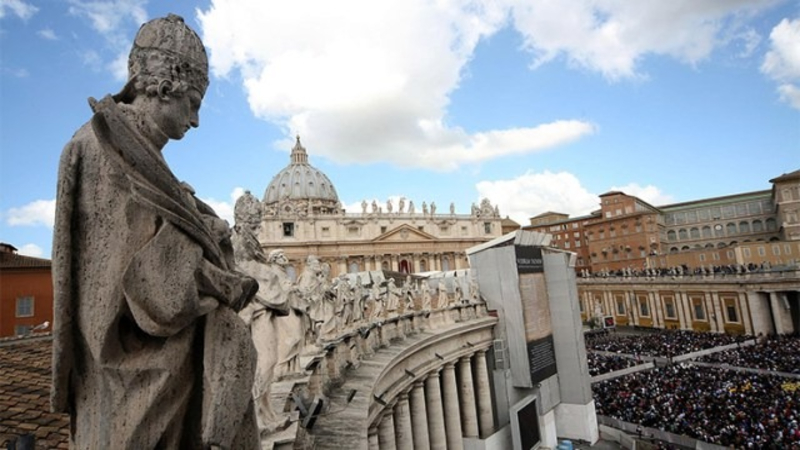
Monda situates Vatican Radio within the broader landscape of Vatican communications. The Holy See communicates through multiple platforms including the daily newspaper L’Osservatore Romano, founded in 1861, Vatican Radio established in 1931, and the Vatican Television Center now known as Vatican Media. In the digital age, the Vatican News portal integrates these channels, extending the Church’s message worldwide.
Yet among these forms, Monda argues that radio holds a special place. In his view, it mirrors the dynamic of revelation itself. Christian faith, he notes, is rooted in the spoken word before it becomes written text. Scripture was first proclaimed aloud. The events recorded in the Bible unfolded in history and were shared through testimony long before they were transcribed. The Apostle Paul’s phrase faith comes from hearing underscores this dimension of listening as foundational to belief.
Monda points to the biblical tradition in which hearing precedes sight. The Old Testament call Hear O Israel emphasizes attentive listening. While modern culture often privileges images and visual media, he suggests that sight can dominate the human experience in ways that leave little room for interior freedom. By contrast, hearing requires attentiveness and discernment.
According to the reflection, God does not overwhelm humanity with visible power but approaches quietly, respecting human freedom. The image of a God who speaks rather than compels underlines a theological understanding of faith as a free response. Listening becomes an act of choice in a world saturated with competing voices.
Radio, Monda suggests, embodies this subtlety. Unlike television, which demands visual focus and can dominate attention, radio accompanies daily life without interrupting it. A broadcast may continue in the background until a word, a melody or a piece of news invites deeper attention. In this way, radio parallels the spiritual experience of recognizing a call amid ordinary routines.
Vatican Radio, founded at the request of Pope Pius XI and developed with the assistance of inventor Guglielmo Marconi, has long served as a tool for conveying papal messages, Church teaching and global news. Over decades it has adapted to technological changes while maintaining its core mission of transmitting the voice of the Pope and the life of the universal Church.
For Monda, the anniversary is not merely a celebration of institutional longevity but a reminder of how communication reflects theology. In describing radio as the medium most aligned with the Church’s mission, he frames it as a channel that honors the primacy of listening, attentiveness and freedom in the encounter between God and humanity.