
Maine Clergy Mobilize to Support Immigrants Amid ICE Operations
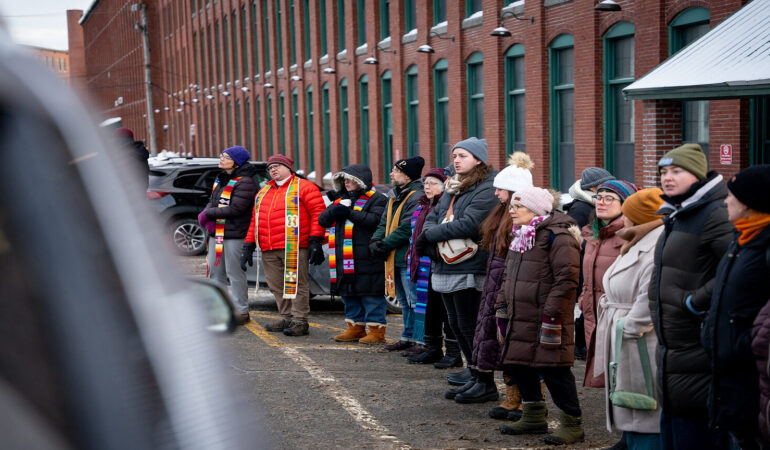

Clergy members from multiple Christian denominations in Maine have begun coordinated public actions aimed at supporting immigrant workers amid heightened activity by federal immigration authorities in the state. In the greater Portland area, religious leaders have gathered outside workplaces during early morning and evening shift changes, positioning themselves visibly near exits as a sign of pastoral presence. Participants describe the effort as a nonviolent witness intended to reassure workers and monitor enforcement activity. The initiative emerged following reports of an increased presence of immigration agents connected to a federal enforcement campaign launched earlier in January. Clergy involved say the actions are rooted in long standing religious commitments to accompany vulnerable communities and to advocate for humane treatment, particularly as uncertainty has grown among immigrant populations regarding detentions and removals.
Faith leaders say the response intensified after detainees previously held at the Cumberland County Jail were transferred out of state with little public notice. Religious groups had already been holding weekly prayer vigils outside the facility and maintaining contact with detainees through correspondence and legal assistance efforts. Following the transfers, clergy expanded coordination through local networks to track enforcement activity and provide rapid support. According to public statements from the Department of Homeland Security, more than one hundred individuals were detained during the initial days of the operation, though community organizers say enforcement actions continued beyond that period. Clergy involved in the response report challenges specific to Maine’s geography, noting that smaller population centers and dispersed communities make rapid mobilization more difficult than in larger metropolitan areas.
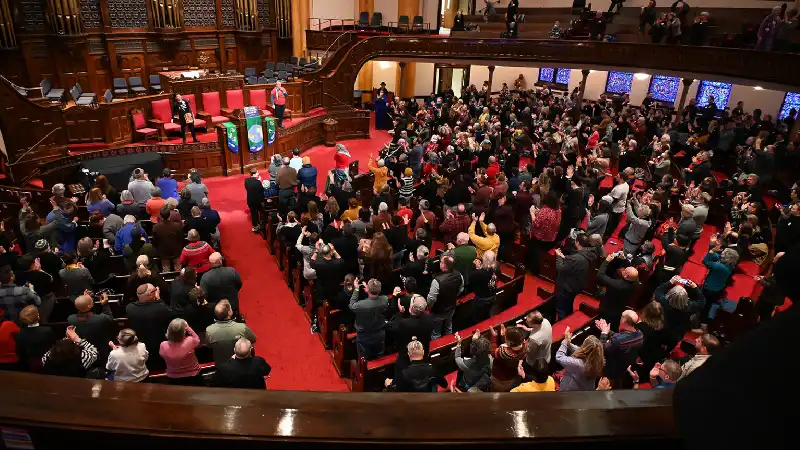
In cities such as Lewiston, where immigrant communities including Somali Americans are well established, local residents have taken on prominent roles in monitoring and response efforts. Religious leaders have also organized larger public gatherings to express concern over enforcement practices and to affirm the place of immigrant communities within the state. One such event brought together clergy, elected officials, and community advocates to address the impact of immigration operations on families and workplaces. Speakers emphasized belonging, social cohesion, and the contribution of immigrants to local life. Clergy leaders described these gatherings as extensions of pastoral care rather than political demonstrations, aimed at sustaining morale and encouraging dialogue amid heightened fear and disruption.
Alongside public witness, faith leaders have sought engagement with elected officials, including demonstrations outside the office of Senator Susan Collins. Participants called for changes to federal immigration policy and funding priorities, and several clergy members were arrested during a peaceful protest. While the senator later stated that federal officials indicated large scale enforcement had ended in Maine, religious leaders expressed caution, saying their efforts would continue regardless of official assurances. Clergy involved in the actions stressed that their focus remains on accompaniment and vigilance, noting that similar enforcement operations continue in other parts of the country and that immigrant communities remain vulnerable to renewed activity.