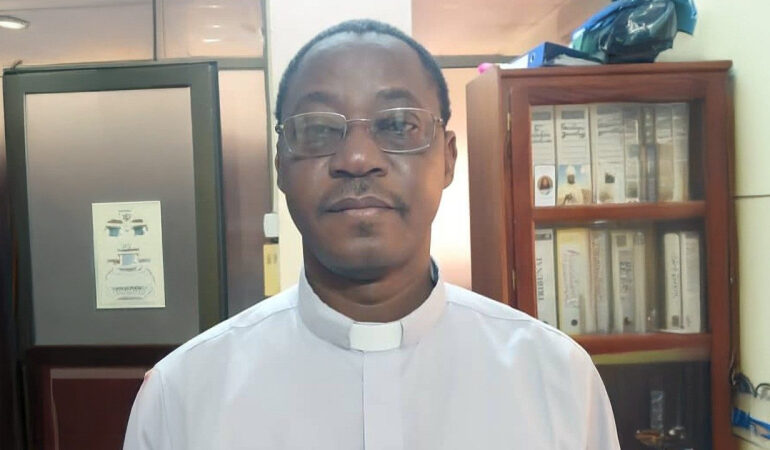

Catholic bishops in Mali have convened for several days of collective reflection as they assess how the Church can continue its mission within a complex social, political and security environment. Meeting in plenary session, the bishops are focusing on discernment, pastoral guidance and shared responsibility at a moment described as particularly delicate for the country. According to Abel Kassongué, secretary general of the bishops’ conference, the gathering is intended to evaluate the Church’s current realities with clarity and realism. Central to the discussions is the financial sustainability of Church structures and the need to identify responses grounded in solidarity rather than short term solutions. Bishops are examining how limited resources can be managed responsibly to preserve credibility and continuity in pastoral and social work. The meeting also serves as a space for prayer and mutual support, allowing church leaders to share concerns and seek common direction while remaining attentive to the lived experiences of local communities.
A significant portion of the bishops’ deliberations is dedicated to Catholic education, which faces growing strain amid economic hardship and insecurity. Church leaders are reviewing the condition of schools and educational institutions, acknowledging that the sector is undergoing a difficult period marked by limited funding and declining stability. Reflection is underway on how educational structures might be rethought and strengthened to ensure long term viability and public trust. The bishops are also receiving reports on key Church affiliated institutions, including the Catholic University of West Africa in Bamako and a hospital project supported through international cooperation. These initiatives are viewed as important signs of commitment to human development, particularly in health and education, sectors where public capacity remains fragile. Alongside these reviews, the bishops are addressing national level appointments and institutional responsibilities, seeking continuity in leadership while adapting to evolving needs across the country.
The meeting unfolds against a backdrop of ongoing insecurity, population displacement and economic pressure that continue to affect daily life in Mali. Armed violence and instability have weakened social services and placed additional strain on families, schools and health facilities. Within this context, the bishops have emphasized that the Church seeks to remain close to the people, sharing their worries and hopes while discerning how best to serve them. Father Kassongué noted that the Church’s mission in Mali is inseparable from the promotion of peace, social cohesion and care for the most vulnerable. Rather than retreating in the face of difficulty, the bishops aim to adapt pastoral approaches to local realities without losing sight of Gospel values. Concluding the discussions, church leaders have appealed for prayer and ecclesial solidarity, underscoring that sustained support is essential if Catholic education and social works are to endure and continue contributing to the common good in Mali.