

Middle East Conflict Intensifies as Strikes Near Holy Sites Raise Global Concern

The conflict in the Middle East has escalated sharply, with renewed military operations across Iran, Lebanon, and Israel raising fears of a broader regional crisis. Israeli forces have expanded their campaign in Lebanon while continuing strikes in Iran, as Tehran responds with drones and missiles targeting multiple locations. The situation has drawn heightened concern after debris from an intercepted strike fell near Jerusalem’s Old City, close to one of Christianity’s most sacred sites. The developments have deepened anxiety among religious and political leaders as violence spreads across multiple fronts with increasing intensity.
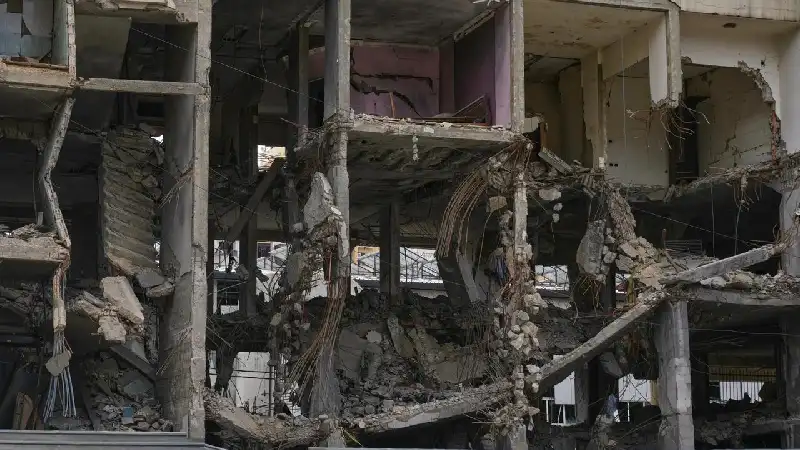
In Lebanon, Israeli airstrikes have targeted areas linked to Hezbollah, particularly in Beirut’s southern suburbs and parts of southern Lebanon. The strikes have caused widespread displacement, with large numbers of residents forced to leave their homes as evacuation warnings continue. Authorities report significant casualties and damage to infrastructure, further straining an already fragile situation. At the same time, Israeli operations have extended into Iran, where strikes have reportedly hit key locations in Tehran. These actions mark a continuation of sustained military engagement that has already resulted in heavy losses across the region.
Iran has responded with a series of drone and missile attacks, including strikes affecting critical infrastructure and commercial areas beyond immediate conflict zones. A drone attack near Dubai’s main international airport caused temporary disruption to air traffic, highlighting the expanding geographic reach of the conflict. In Jerusalem, falling debris from intercepted projectiles struck areas near major religious landmarks, including locations revered by Christians, Jews, and Muslims. Although damage to these sites was limited, the proximity of such incidents has raised serious concern about the risks posed to places of deep spiritual significance.
The conflict has also disrupted key global supply routes, particularly in the Strait of Hormuz, where shipping activity has slowed dramatically due to security threats. This disruption has contributed to rising energy prices and increased pressure on global markets, as a significant portion of the world’s oil supply depends on safe passage through the region. Governments and international agencies are closely monitoring the situation, with discussions underway about potential measures to secure maritime routes and stabilize supply chains. The economic implications are being felt far beyond the region, adding urgency to calls for de escalation.
Amid the ongoing violence, humanitarian conditions continue to deteriorate. In Lebanon, large scale displacement has left many families without stable shelter, while in other parts of the region access to essential services remains limited. Reports from conflict zones indicate widespread damage to infrastructure, including residential areas and public facilities. Civilians remain among the most affected, facing both immediate threats and long term uncertainty as the conflict shows no clear signs of resolution. Aid organizations have warned that the scale of need is growing as hostilities persist.
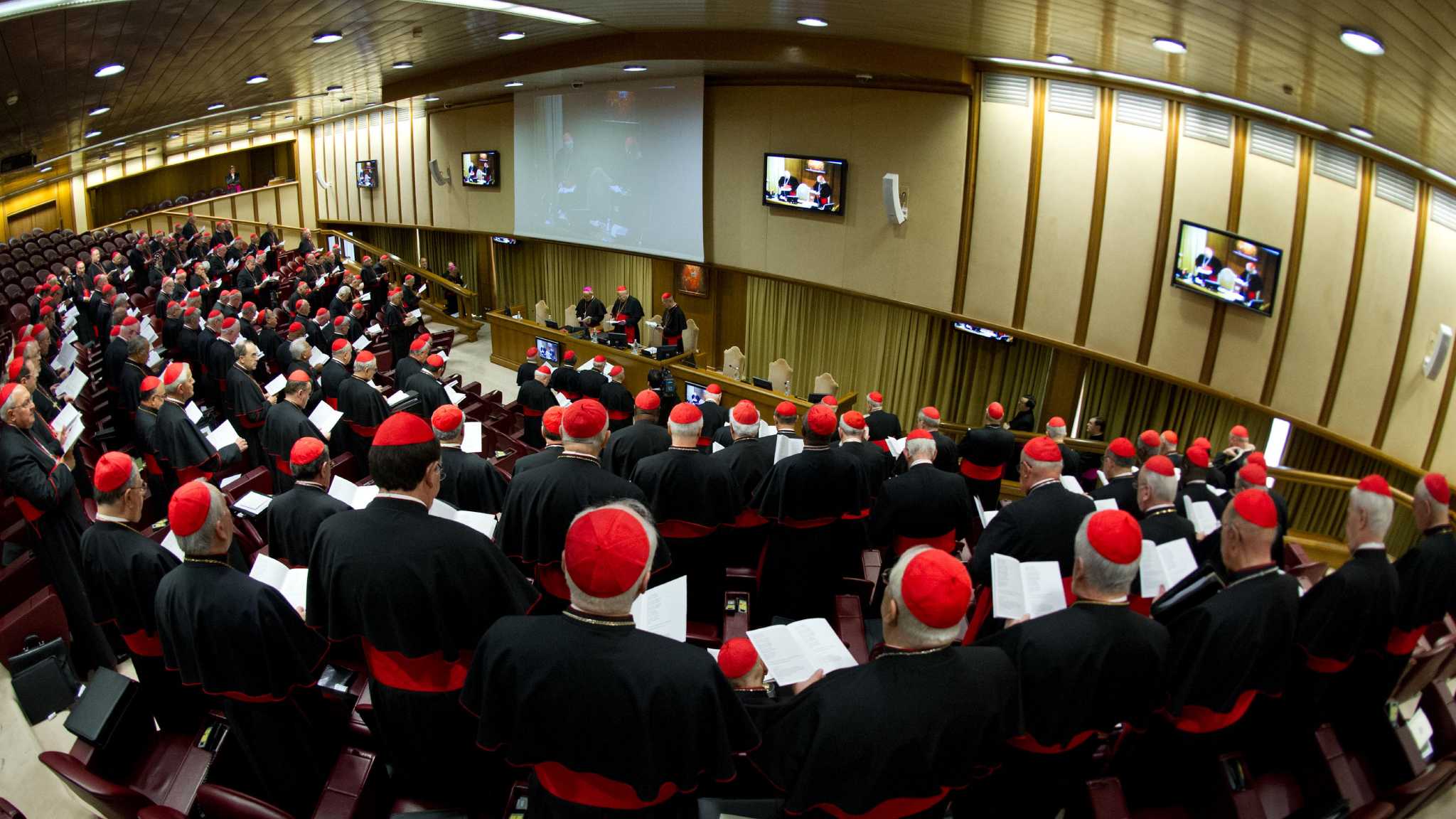
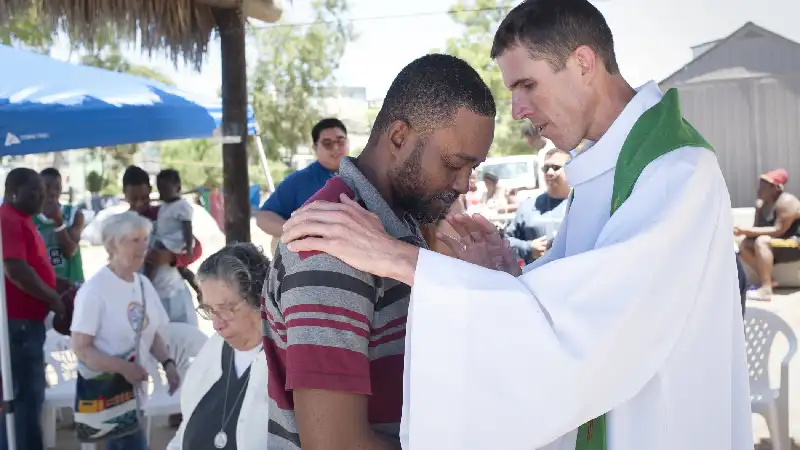
International responses have been mixed, with some governments calling for restraint while others focus on strategic and security concerns. Diplomatic efforts have yet to produce a coordinated path toward de escalation, as differing interests continue to shape responses. Religious leaders have also voiced concern over the potential for further escalation, particularly given the proximity of recent strikes to sites of major religious importance. These developments have underscored the broader risks of the conflict, not only for regional stability but also for global peace.
As military actions continue, uncertainty remains over the next phase of the conflict and its wider implications. The convergence of political, economic, and religious sensitivities has created a highly volatile environment where even isolated incidents can carry significant consequences. The situation is being closely watched by the international community, with growing recognition that sustained dialogue and coordinated action will be necessary to prevent further escalation and to address the complex challenges unfolding across the region.