



Middle East Escalation Drives Energy Shock as Civilian Deaths Reported in Missile Exchange

A sharp escalation in Middle East tensions has led to rising global energy concerns and civilian casualties, following a series of missile strikes and counter responses across the region. Four Palestinian women in the West Bank and a foreign worker in Israel were killed after missiles were launched toward Israeli territory, intensifying fears of a broader conflict. At the same time, an attack on a major energy facility in Qatar has disrupted market stability, pushing gas prices higher across Europe. The developments are raising serious concerns among global leaders about security, humanitarian risks, and the potential economic fallout from prolonged instability.
The fatal incident in the West Bank occurred in the town of Beit Awwa, where a missile strike hit a structure reportedly used as a makeshift salon. Conflicting accounts have emerged regarding the cause of the explosion. Israeli military sources attributed the blast to an incoming missile launched by Iran, while Palestinian officials claimed the damage resulted from a malfunction in Israel’s air defense system. The deaths of civilians have heightened tensions in an already fragile environment, with residents expressing fear over the increasing unpredictability of military actions and their impact on daily life.
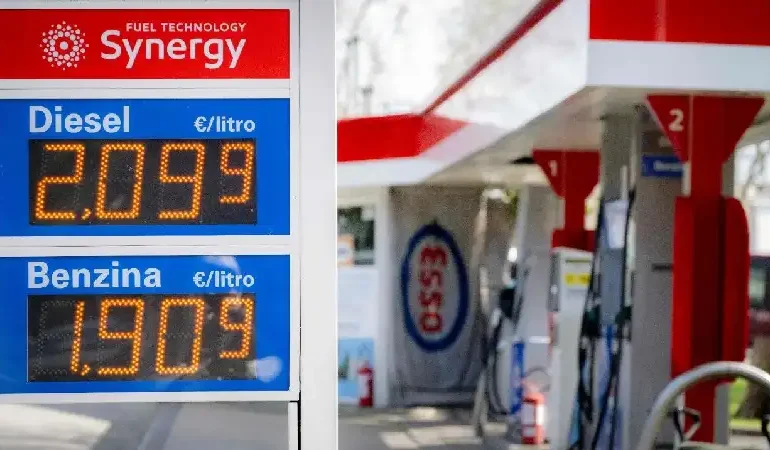
At the same time, energy markets reacted swiftly after an attack targeted Qatar’s Ras Laffan industrial area, one of the world’s most critical hubs for liquefied natural gas production and export. Prices surged in the United Kingdom and across Europe, reflecting concerns about supply disruptions in a region that plays a central role in global energy flows. The situation has underscored the vulnerability of key infrastructure to geopolitical conflict, particularly in areas linked to major shipping routes and energy production networks that support international demand.
Political responses have also intensified, with the United States issuing a warning urging restraint and calling for an end to further attacks in the region. Officials emphasized that Washington had no involvement in recent strikes on Iranian energy infrastructure, including the South Pars gas field, which is jointly operated with Qatar. Regional governments have condemned the escalation, describing the attacks as destabilizing and urging immediate de escalation. The growing diplomatic tension reflects the broader risk of the conflict expanding beyond its current scope.
Further concerns have emerged following reports of another maritime incident in the Persian Gulf, where a vessel was struck by an unidentified object near the same area affected by the energy facility attack. While no casualties were reported, the incident highlights increasing risks to commercial shipping and critical supply chains. The Gulf remains a vital corridor for global trade, and disruptions in this region can quickly affect markets worldwide. Analysts warn that repeated incidents could lead to higher insurance costs and further volatility in energy and commodity prices.
Amid these developments, reports indicate that U.S. defense officials are seeking a substantial increase in funding to support ongoing military operations related to the conflict. The proposed request, estimated to exceed previous campaign costs, reflects the scale and urgency of the situation as perceived by policymakers. The potential expansion of military spending signals expectations of a prolonged engagement, raising further questions about the economic and geopolitical implications for global stability in the coming months.