

Migration Challenges and How Faith Based Communities Provide Support
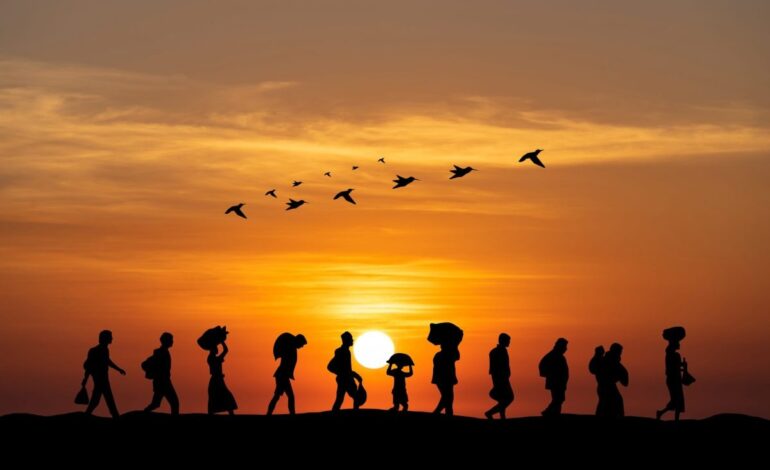

Migration remains one of the most significant global issues of the modern era. Economic pressures, political instability, and environmental change continue to push families across borders in search of safety and opportunity. While governments debate policy responses and international organizations coordinate humanitarian aid, local communities often feel the effects most directly. Among these, faith based institutions have consistently played a central role in offering practical support and emotional stability to those navigating the uncertainties of migration.
For the Church, migration is not only a social issue but a moral one. The movement of people across the world invites reflection on justice, human dignity, and the responsibilities individuals hold toward one another. As migration continues to grow in scale and complexity, the Church’s commitment to supporting vulnerable populations remains essential in helping families rebuild their lives with security and hope.
The Human Realities Behind Migration
Migration is often discussed in terms of statistics and policy frameworks, but the human experience behind those numbers tells a deeper story. Families leave their homes not only because of poverty or conflict but also because they believe a safer or more stable future might be possible elsewhere. This journey is rarely simple and frequently involves emotional strain, financial difficulty, and long periods of uncertainty. Understanding these experiences requires more than a political lens. It requires empathy and the recognition of shared humanity.
Faith traditions emphasize the value of welcoming the stranger and protecting those in danger. This perspective helps move the migration conversation away from abstract policy disputes and toward a focus on the dignity of individuals. When communities view migrants as people with histories, hopes, and families, meaningful support becomes more possible.
Practical Assistance from Faith Based Institutions
Faith based communities often step in where public resources fall short. Churches, charities, and religious organizations provide essential assistance such as food, clothing, language instruction, and legal guidance. Many migrants rely on these services when they arrive in unfamiliar environments with limited resources. These programs help families adapt to new surroundings and reduce the immediate pressures that accompany displacement.
In many regions, parishes serve as centers where migrants can find consistent support. Volunteers assist with navigating government forms, connecting families with housing, or providing transportation for essential appointments. These efforts demonstrate how local faith communities can offer stability in moments when uncertainty feels overwhelming.
Building Trust and Emotional Resilience
Migration frequently involves trauma, separation, and the loss of familiar cultural anchors. Faith based communities often offer safe spaces for emotional support through counseling, group gatherings, and community events. These settings help families maintain a sense of identity and belonging during a time of transition. The presence of familiar rituals or spiritual practices provides comfort and continuity for people adjusting to new environments.
Trust plays a key role in successful integration, and faith communities often possess the cultural understanding and interpersonal connection needed to build it. When migrants feel supported and understood, they are more likely to participate fully in their new communities and pursue long term stability.
Challenges and the Need for Coordinated Action
Despite their strong contributions, faith based groups also face challenges. Limited funding, heavy volunteer workloads, and complex legal issues can restrict their capacity to respond to rising migration needs. Some communities struggle to balance local concerns with the broader mission of welcoming newcomers. Addressing these challenges requires cooperation between religious institutions, local governments, and international organizations.
The Church also encourages dialogue about long term solutions that address the root causes of migration. Economic inequalities, environmental threats, and political instability cannot be solved by humanitarian support alone. Coordinated global action remains necessary to provide people with the option to remain safely in their home countries should they choose.
Conclusion
Migration challenges demand both compassion and practical cooperation. Faith based communities provide essential support by offering resources, guidance, and emotional stability to those navigating the uncertainties of displacement. Through their consistent presence and commitment to human dignity, these communities help migrants rebuild their lives while contributing positively to the societies they join.