
Minneapolis Archbishop Calls for Calm After ICE Shooting
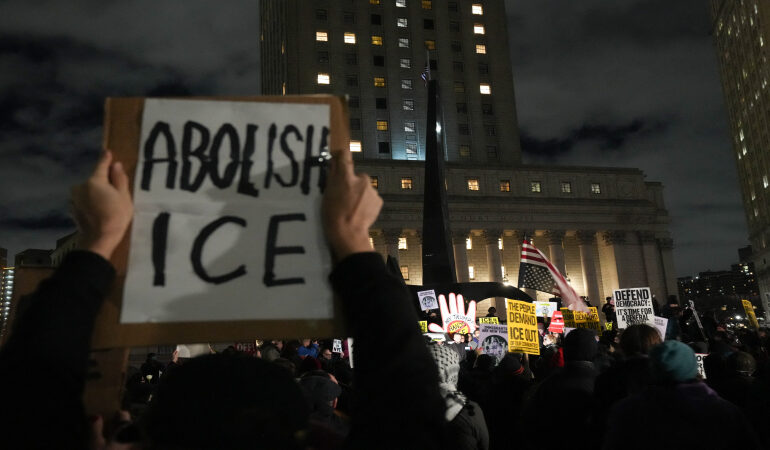

Tensions rose sharply in Minneapolis after a fatal shooting involving a U.S. Immigration and Customs Enforcement officer, prompting an appeal for prayer and restraint from Church leadership. The incident occurred in south Minneapolis, where a 37 year old U.S. citizen was shot during what authorities described as a street altercation involving federal agents. The death quickly sparked protests and renewed debate over immigration enforcement practices, law enforcement accountability, and public trust. As demonstrations spread beyond Minnesota to other U.S. cities, civic leaders and faith communities faced mounting pressure to respond in a moment marked by grief, anger, and uncertainty. The situation underscored how quickly localized violence can reverberate nationally, especially amid heightened political and social polarization around immigration and public safety.
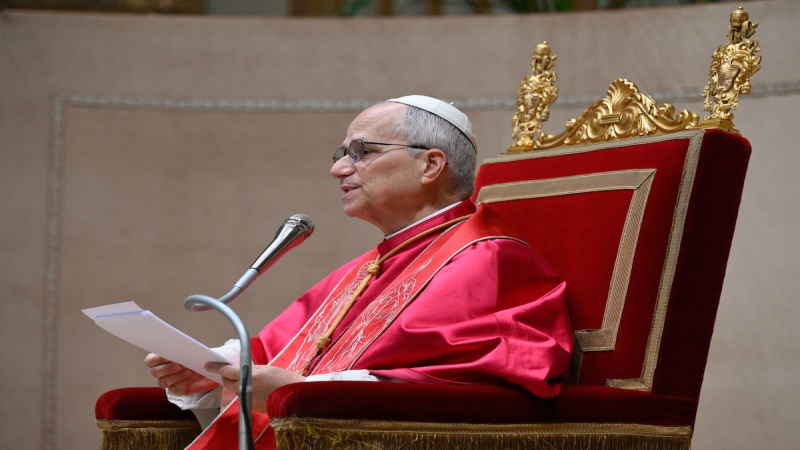
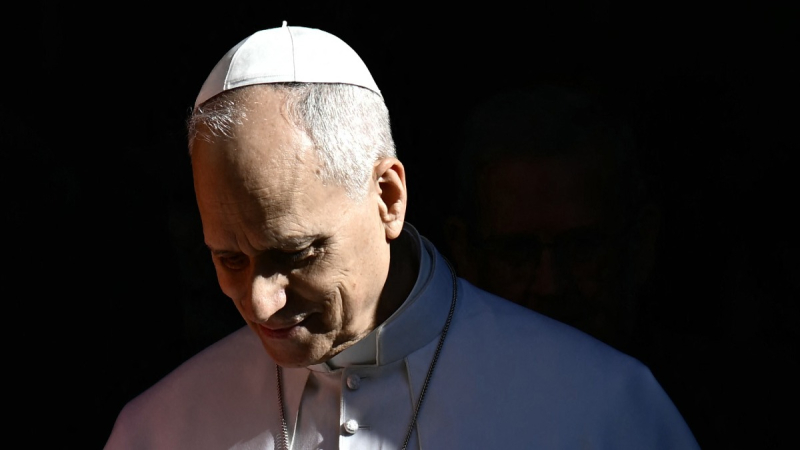
In a public statement issued the same day, Bernard Hebda urged the community to resist escalation and instead turn toward prayer and reflection. He asked people of goodwill to pray for the woman who was killed, her family, and a city already strained by years of social tension. The archbishop warned against inflammatory language and speculation, stressing the need to recognize the dignity of every person involved. His message emphasized that immigrants, elected officials, and law enforcement officers alike are created in the image of God, calling for a moral lens rooted in faith rather than fear. The appeal echoed a broader pastoral concern that unchecked rhetoric can deepen division and increase the risk of further violence.
Federal authorities confirmed that multiple agencies are investigating the shooting, including the FBI and state level law enforcement. Statements from national officials defended the actions of agents, while state and city leaders in Minnesota openly criticized the incident and its handling. The shooting intensified calls from local officials demanding a reassessment of federal immigration operations within the city. As protests unfolded, Church leaders sought to position themselves as voices of calm amid competing narratives and emotional reactions. The archbishop’s intervention reflected a long standing approach within the Catholic Church that prioritizes dialogue, restraint, and the pursuit of justice through lawful and humane means rather than confrontation.
The archbishop also reiterated the U.S. Catholic bishops’ call for comprehensive immigration reform, warning that prolonged political inaction contributes to instability and conflict. He noted that unresolved immigration policy leaves communities vulnerable to cycles of fear and enforcement driven crises. Faith leaders have repeatedly urged lawmakers to address immigration in a way that balances respect for the law with compassion for human dignity. As Minneapolis confronts the aftermath of the shooting, the Church’s message centers on collective responsibility, prayerful discernment, and cooperation across differences. In a climate marked by distrust and division, the appeal highlighted the role of religious leadership in encouraging peace, moral clarity, and solidarity at moments of national strain.