


In the remote region of Chiquitanía in eastern Bolivia, a long-standing missionary presence continues to shape daily life through education, culture, and practical care for young people and families. Isolated villages, fragile livelihoods, and limited access to schooling have contributed to persistent challenges, including malnutrition and high school dropout rates among children and adolescents. Within this context, the Mission of San Miguelito has emerged as a place where faith is lived through accompaniment rather than instruction alone. Managed for decades by Idente missionaries, the former agricultural college has evolved into a center of learning that integrates education, music, sport, and community life. Consecrated women and lay collaborators work closely with families, often traveling long distances to reach scattered villages, ensuring that children who might otherwise fall behind receive support. Their approach reflects a conviction that dignity begins with opportunity and that education is not a privilege but a foundation for personal and communal growth.
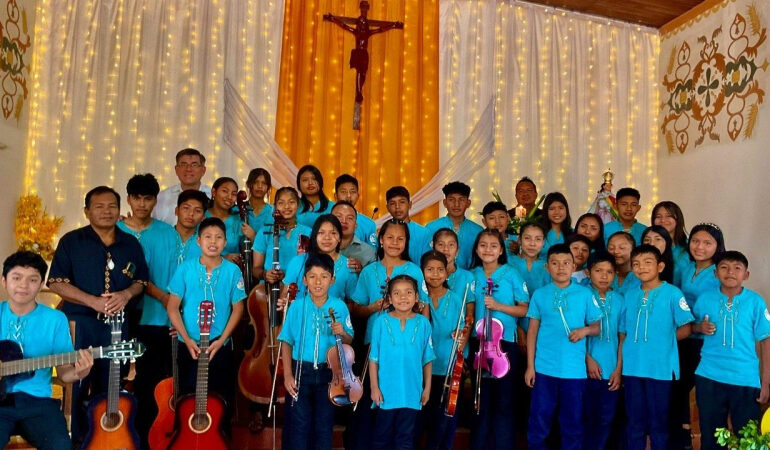
A central focus of the mission is addressing educational gaps that emerge early in childhood. Many children arrive at school unable to read or write, a consequence of poverty, undernourishment, and limited stimulation in early years. After-school programs have become essential rather than optional, offering basic literacy and numeracy alongside structure and care. As children grow older, pressures such as domestic instability and child labor increase the risk of abandonment of studies. In response, the mission has developed complementary initiatives that connect learning with identity and belonging. Music plays a key role through the Coro y Orquesta San Miguelito, which brings together children and teenagers from several villages to learn instruments rooted in local tradition. Alongside music, sports programs engage hundreds of young people, using teamwork and discipline to counter social risks. Training courses in crafts, sustainable agriculture, and traditional medicine further extend opportunities, particularly for women seeking economic autonomy within their communities.
Beyond immediate educational needs, the mission places strong emphasis on cultural continuity and care for the environment. Chiquitanía carries the legacy of historic Jesuit missions, where faith, art, and communal life were closely intertwined. Today, that heritage is reflected in local music, festivals, and a shared sense of responsibility for the land. Missionaries encourage environmental awareness and forest conservation, recognizing the dry Chiquitano forest as both a natural resource and a living expression of cultural memory. Efforts are also underway to strengthen digital communication, allowing the mission to connect with universities, volunteers, and supporters beyond the region. While obstacles remain, including fuel shortages, limited infrastructure, and the vast distances separating communities, the mission continues to adapt. By investing in education, cultural identity, and social responsibility, the work in San Miguelito seeks not only to support individuals but to nurture a collective future where faith is expressed through learning, resilience, and shared hope.