

Missionary Sisters Bring Eucharistic Hope to Manila’s Poorest Communities
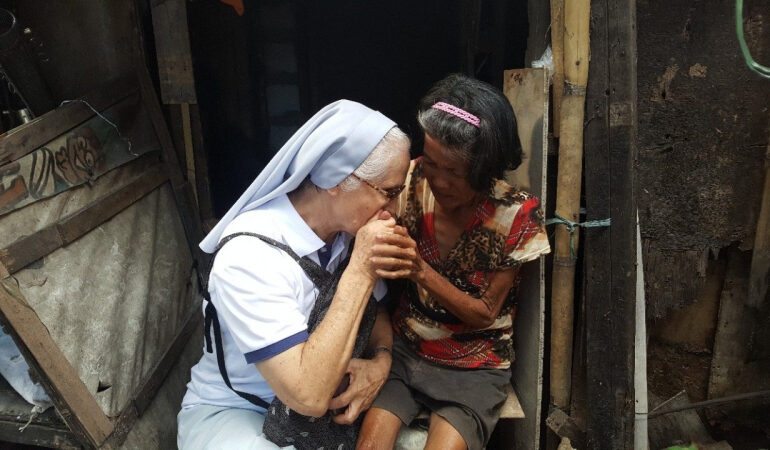

In the heart of Baseco, a densely populated and impoverished district near Manila’s port area, the Missionary Sisters of the Most Blessed Sacrament are quietly transforming lives through faith, service, and daily acts of compassion. Amid extreme poverty, malnutrition, and unstable housing, the Sisters continue to anchor their mission in the Eucharist, drawing strength from prayer while offering concrete support to families in need.
Baseco is home to thousands of families living in precarious conditions. Many rely on informal labor such as street vending or market work, earning barely enough to survive. Childhood malnutrition, limited access to healthcare, and interrupted schooling remain pressing concerns. Frequent typhoons compound the hardship, often destroying fragile homes and leaving families with little more than what they can carry.
In this environment, the Sisters operate a Feeding Program that provides daily meals to children between the ages of three and ten. Beyond addressing hunger, the initiative also includes basic education, values formation, and moments of prayer. For the Sisters, nourishment of the body and nourishment of the soul go hand in hand. Children are introduced to simple catechesis and encouraged to discover a sense of dignity rooted in faith.
The Eucharist shapes every dimension of their mission. Extended hours of Adoration sustain the Sisters’ commitment and inspire lay volunteers who share in their charism. Sunday Mass becomes a central moment for the community. Families, despite having little, prepare carefully to attend. Children arrive dressed in their best clothes, expressing joy and anticipation. During the offertory, many bring small tokens representing their week’s labor, a gesture that reflects sacrifice and gratitude rather than abundance.
The Sisters also dedicate significant time to visiting families in their homes. Listening becomes an essential ministry. A simple embrace, shared prayer, or encouraging word often carries profound meaning in neighborhoods marked by hardship. Their presence reinforces a sense of worth among residents who frequently feel overlooked by wider society.
Lay volunteers play a crucial role. Some, like Lucy, have journeyed from personal struggle to active leadership within the mission. Years ago, she supported her family by peeling garlic from early morning until late afternoon. Over time, involvement with the chapel and community outreach renewed her sense of purpose. Today she helps coordinate activities, prepare children for the sacraments, and support the feeding initiative.
The Missionary Sisters’ work extends beyond immediate relief. They strive to cultivate resilience, solidarity, and faith among families who face daily uncertainty. In a place where resources are scarce, mutual support becomes a survival strategy. Neighbors share what little they have, reinforcing bonds that strengthen the entire community.
Grounded in Eucharistic devotion and Marian spirituality, the Sisters’ mission in Baseco highlights how faith based outreach can restore dignity and hope in marginalized urban areas, reminding communities that even in poverty, they remain seen and valued.