
Across the United States, the annual observance honoring Martin Luther King Jr. has taken on a more complex and contested tone as communities navigate a polarized political climate. While parades, prayer services, and public forums continued to mark the federal holiday, many gatherings reflected heightened concern about civil rights, public safety,y and social cohesion. For some participants, the day served less as a celebration and more as a moment of vigilance and recommitment to values associated with nonviolence, equality, and the common good. Speakers at churches, civic events, and marches emphasized that the legacy of King cannot be separated from the present realities facing marginalized communities. Others urged that the holiday remain focused on King’s moral vision rather than contemporary political disputes. This tension has shaped observances nationwide, with organizers balancing remembrance with calls for reflection on the direction of public life and national unity.
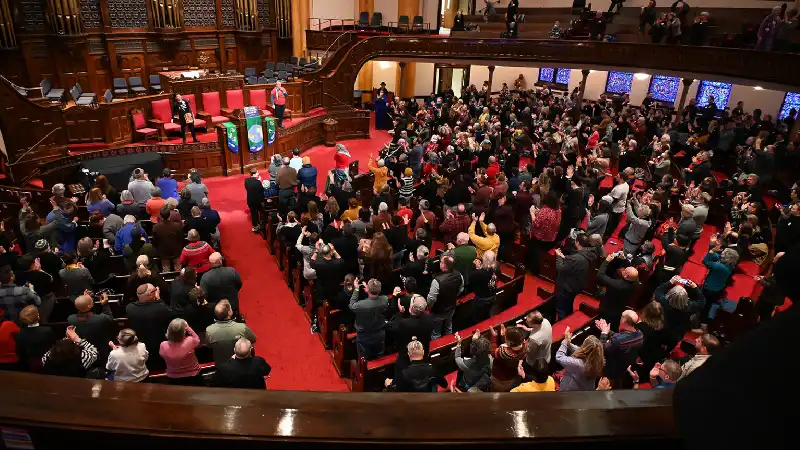
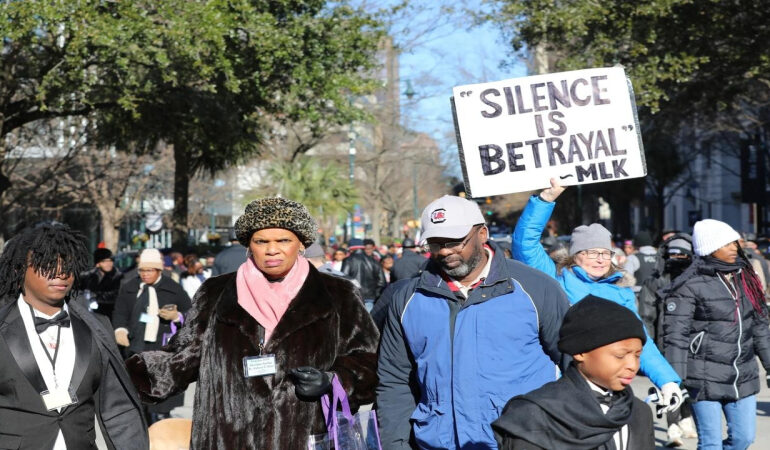
Religious and civic leaders highlighted the enduring relevance of King’s emphasis on human dignity and shared responsibility, while acknowledging differing interpretations of his message. At Ebenezer Baptist Church in Atlanta, where King once preached, services combined prayer, music,usic and appeals for unity amid social strain. Political leaders and advocates spoke of the need to protect voting rights and uphold justice, framing these concerns within King’s broader vision of a more inclusive society. Elsewhere, community marches proceeded despite cold weather and security concerns, underscoring the determination to maintain public witness. At the same time, some institutions scaled back or canceled long-standing events, citing safety fears or financial pressures. These decisions prompted local efforts to organize alternative gatherings, reflecting a grassroots commitment to keeping the holiday meaningful even when formal structures falter. Throughout these observances, the holiday became a mirror of national debate over how best to honor King’s legacy in a divided era.
Advocacy organizations and community groups have increasingly described the holiday as a time for education and renewed engagement rather than symbolic observance alone. Civil rights coalitions emphasized that many of the social issues King addressed remain unresolved, pointing to ongoing debates over immigration, racial equity, and economic opportunity. Some groups organized rallies and service projects under themes of reclamation and responsibility, arguing that remembrance must be paired with action. Others cautioned against transforming the holiday into a platform for ideological conflict, urging focus on King’s call to judge individuals by character and to pursue reconciliation. Despite these differences, participation remained strong across regions, suggesting that the holiday continues to resonate widely. As Americans marked another anniversary of King’s life and witness, the varied tone of observances reflected broader questions about national identity, moral direction, and the capacity of shared civic rituals to foster dialogue in times of tension.