
Moments That Matter: How Vatican History Shapes Today’s Decisions
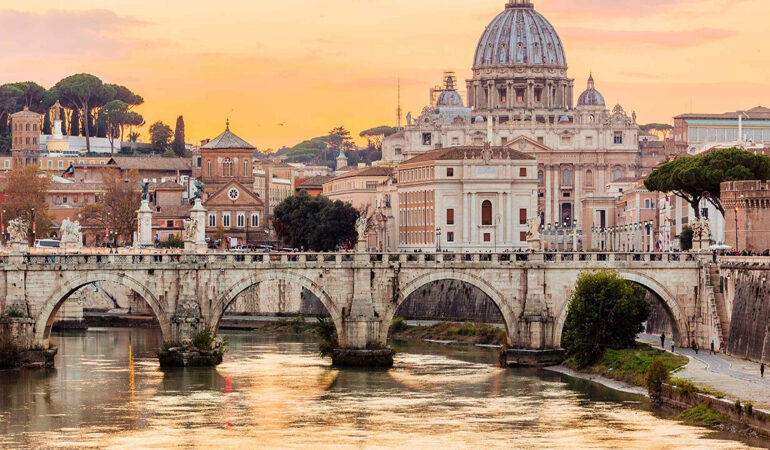

The Vatican is often viewed through the lens of the present, yet its decision making cannot be separated from the weight of its past. Every statement, reform, and silence emerges from an institution shaped by centuries of experience, conflict, adaptation, and continuity. Unlike modern political bodies that respond primarily to electoral cycles, the Vatican operates with a historical memory that stretches across eras, empires, and ideological revolutions.
This deep institutional memory influences how the Church responds to modern challenges, from cultural shifts to geopolitical instability. Rather than reacting quickly, Vatican leadership often measures present circumstances against historical precedents. This long view allows the Church to weigh not only what is urgent, but what is enduring, ensuring that decisions align with its identity as a moral and spiritual institution rather than a transient power.
History as a Guide, Not a Constraint
Vatican history functions less as a record of the past and more as a framework for discernment. Councils, reforms, and moments of crisis are studied not as relics but as reference points for navigating contemporary dilemmas. This approach allows Church leaders to recognize patterns, avoid repeated mistakes, and preserve essential principles while adapting to new realities.
Historical memory helps the Vatican distinguish between core teachings and contextual practices. By understanding how doctrine has been expressed differently across centuries, the Church can maintain continuity without rigidity. This balance between preservation and adaptation has been critical to the Church’s survival in vastly different cultural and political environments.
The use of history as guidance also reinforces institutional patience. Decisions are rarely rushed because leaders are aware that short term responses can have long lasting consequences. The past serves as both a warning and a source of confidence, reminding the Church that it has endured periods of far greater upheaval than the present.
Councils and Crises That Still Shape Governance
Major councils and historical crises continue to influence how the Vatican governs itself today. Gatherings such as ecumenical councils reshaped internal structures, clarified doctrine, and redefined the Church’s relationship with the world. These moments remain central to how authority, consultation, and reform are understood within the Church.
Crises have also left lasting marks. Periods of division, political entanglement, and institutional weakness prompted reforms that still guide modern governance. The Vatican’s caution in exercising power is rooted in historical lessons about overreach and dependency on secular authority.
These experiences have reinforced a preference for gradual change over sudden transformation. When reforms are introduced, they are often framed as developments rooted in tradition rather than breaks from it. This historical awareness helps maintain legitimacy among a global community that values continuity.
Institutional Memory and Moral Consistency
Institutional memory plays a critical role in preserving moral consistency across generations. The Vatican’s ethical positions are shaped by centuries of reflection on human dignity, justice, and social responsibility. While language and emphasis may evolve, underlying principles are anchored in accumulated moral teaching.
This continuity strengthens the Church’s credibility in global debates. When the Vatican addresses issues such as human rights or social inequality, it does so from a position shaped by historical engagement rather than trend driven activism. Its voice carries weight precisely because it reflects long standing ethical reasoning.
At the same time, historical memory allows for humility. The Church acknowledges past failures and uses them as lessons for reform. This willingness to learn from history reinforces a moral approach that values accountability alongside authority.
Why the Vatican Thinks in Centuries, Not Headlines
Modern institutions often operate under pressure to respond immediately to public opinion. The Vatican’s historical perspective offers a different rhythm. Decisions are measured against their impact not only today, but decades from now. This mindset can appear slow, but it reflects a commitment to depth over speed.
By thinking in centuries, the Vatican resists being reshaped by momentary cultural shifts. This does not mean disengagement from the present, but rather engagement grounded in reflection. History provides the context needed to discern when change is necessary and when restraint is wiser.
This long term vision also shapes diplomatic and pastoral strategies. The Vatican’s approach to dialogue, reconciliation, and reform is influenced by an understanding that lasting influence depends on consistency and patience rather than immediacy.
Conclusion
Vatican history is not a backdrop to modern decision making but a living guide that informs how the Church navigates the present. By drawing on institutional memory, historical lessons, and moral continuity, the Vatican approaches today’s challenges with a perspective shaped by centuries of experience. This enduring connection between past and present ensures that decisions are not merely reactive, but rooted in a vision that transcends generations.