

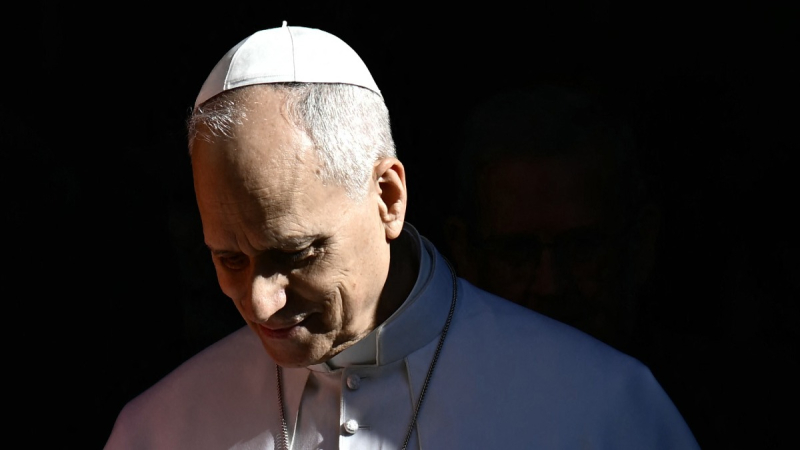
Moral Authority Without Activism The Vatican’s Doctrinal Rebalance


The Vatican’s moral voice has long carried global influence, but in recent years it has often been interpreted through the lens of activism rather than theology. As the Church enters a new phase of leadership, a noticeable recalibration is taking place. Moral authority is increasingly being articulated through doctrine and teaching rather than public campaigns or political signaling. This shift reflects a deliberate effort to clarify how the Church understands its role in the modern world.
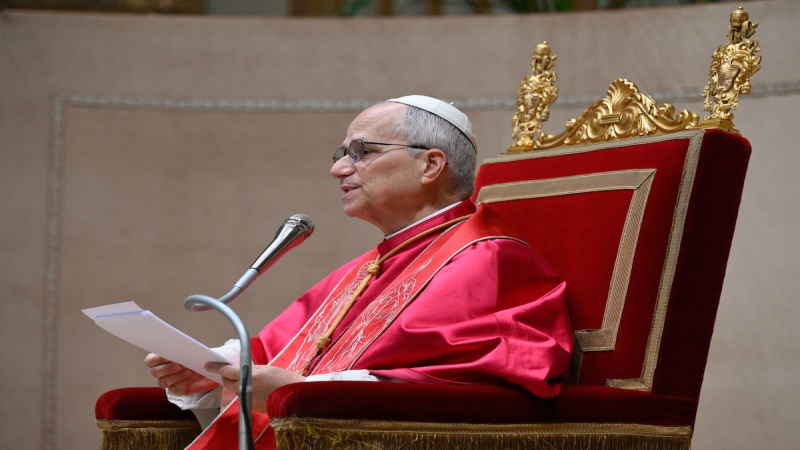
Under the leadership of Pope Leo XIV, the Vatican is emphasizing that moral authority flows from faith and belief before action. Rather than withdrawing from ethical concerns, the Church is reframing how it speaks about them. Doctrine is being restored as the primary source of moral guidance, offering a stable foundation that transcends shifting cultural and political movements.
Reclaiming Doctrine as the Source of Moral Authority
At the center of this rebalance is a renewed focus on doctrine as the source of the Church’s moral voice. Catholic teaching is rooted in theology, Scripture, and tradition, not in advocacy strategies. By foregrounding doctrine, the Vatican reinforces that its moral positions are expressions of belief rather than responses to external pressure.
This approach restores coherence to moral teaching. When doctrine leads, ethical positions are understood as part of an integrated vision of faith. This clarity helps the faithful see moral guidance as an extension of belief rather than a separate agenda. It also strengthens the Church’s credibility by grounding its voice in enduring principles.
Distinguishing Moral Witness From Activism
A key aspect of the Vatican’s recalibration is the distinction between moral witness and activism. Activism often seeks immediate outcomes and public visibility. Moral witness, by contrast, is rooted in teaching, formation, and example. Under Pope Leo XIV, the Vatican appears intent on reaffirming this distinction.
This does not mean disengagement from social issues. Instead, it reflects a belief that lasting moral influence is achieved through shaping conscience rather than mobilizing movements. By speaking from doctrine, the Church offers guidance that invites reflection and conversion rather than alignment with causes.
Strengthening Internal Formation Over External Messaging
Another element of the doctrinal rebalance is increased attention to internal formation. Clear teaching supports catechesis, preaching, and theological education across the global Church. When doctrine is emphasized, local churches are better equipped to address moral questions within their own contexts.
This inward strengthening has outward consequences. A Church confident in its teaching can engage the world without losing clarity. By prioritizing formation over messaging, the Vatican reinforces moral authority that is lived before it is proclaimed.
Preserving Independence in a Polarized World
The Vatican’s shift also serves to preserve independence in an increasingly polarized environment. When moral language is closely tied to activism, it risks being absorbed into political narratives. By rooting its voice in doctrine, the Church maintains distance from ideological alignment.
This independence allows the Vatican to speak across divisions. Moral teaching remains consistent regardless of political climate. In this way, doctrinal clarity becomes a safeguard for the Church’s universal mission, ensuring that its voice remains recognizable and trustworthy.
Conclusion
The Vatican’s doctrinal rebalance reflects a conscious return to moral authority grounded in faith rather than activism. Under Pope Leo XIV, doctrine is being restored as the foundation from which ethical guidance flows. This approach strengthens coherence, preserves independence, and reinforces the Church’s role as a teacher rather than a campaigner. By prioritizing belief before action, the Vatican is reshaping how moral authority is exercised in a complex and polarized world.