
As Mozambique prepares to mark National Women’s Day on April 7, a coalition of women from across the country has publicly called for urgent reforms to healthcare and social services, rejecting what they describe as symbolic gestures that fail to address worsening living conditions.
In an open letter addressed to First Lady Gueta Selemane Chapo, wife of President Daniel Francisco Chapo, the women expressed concern over reports that traditional capulanas would be distributed nationwide as part of the official Women’s Day commemorations. While acknowledging the cultural value of the brightly colored garments, they argued that the current national situation demands practical intervention rather than ceremonial gifts.
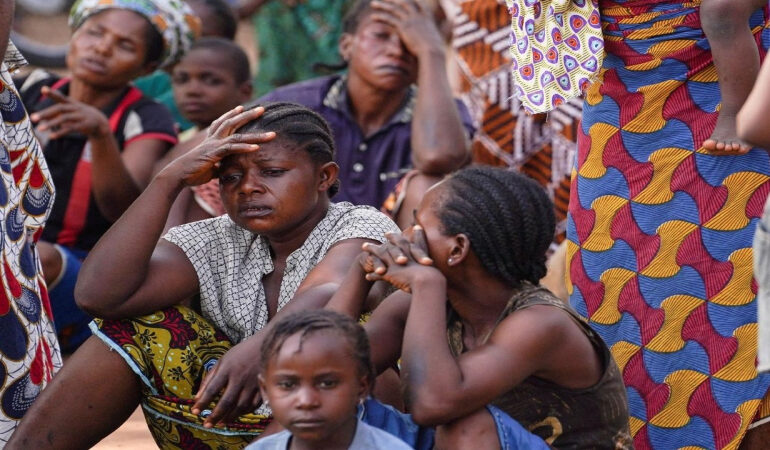
The signatories, who say they speak on behalf of mothers, daughters, sisters, and grandmothers across Mozambique, emphasized that symbolic initiatives cannot substitute for essential services. They stated that women and families are confronting serious hardships, particularly within the public healthcare system, where shortages of medicines, equipment, and basic infrastructure continue to affect patient care.
Mozambique’s health sector has faced longstanding challenges, including underfunded facilities, limited rural access, and pressure from recurring public health emergencies. Advocacy groups have repeatedly highlighted concerns about maternal mortality, child health outcomes, and inadequate hospital conditions. The women’s letter points specifically to overcrowded wards, insufficient medical supplies, and the absence of adequate maternity care in several regions.
According to the group, pregnant women often endure labor without proper beds or medical support, and families struggle to access consistent treatment for preventable illnesses. In such circumstances, they argue, public resources should be directed toward strengthening hospitals, ensuring medicine availability, and improving nutrition support for vulnerable communities.
The women also raised broader concerns about inequality and violence, noting that women continue to face structural barriers in economic participation and social protection. They called for sensitivity from national leadership and a redirection of funding toward initiatives that directly protect life and dignity.
National Women’s Day in Mozambique commemorates the legacy of women who contributed to the country’s liberation and social development. Historically, the day has included cultural celebrations and public recognition of women’s contributions. However, this year’s appeal reflects a growing expectation among civil society groups that commemorations be accompanied by tangible improvements in public welfare.
The letter urges authorities to prioritize long term investments in health infrastructure and social services rather than temporary symbolic distributions. The women maintain that genuine respect for women’s rights must be demonstrated through policies that safeguard maternal health, support children, and ensure equitable access to essential resources.
Their appeal underscores an ongoing national conversation about governance, public spending, and the lived realities of Mozambican families.