Muslim and Christian Communities in Côte d’Ivoire Mark Start of Ramadan and Lent Together
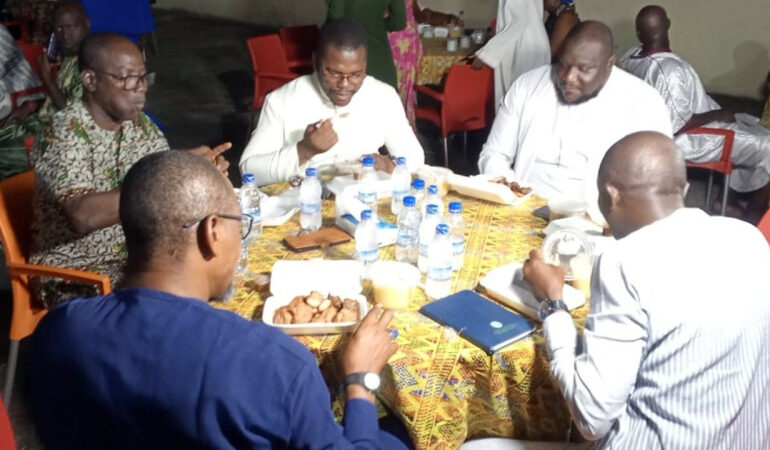

Muslim and Catholic communities in Côte d’Ivoire began the sacred seasons of Ramadan and Lent on the same day, gathering in Abidjan for a shared moment of prayer and fraternity that highlighted interreligious unity. The simultaneous start of the two periods of fasting was marked at the Sacred Heart Parish in Abobo Anador, within the Archdiocese of Abidjan, with a collective breaking of the fast on Wednesday evening.
Ramadan, observed by Muslims for thirty days, and Lent, the forty days of preparation for Easter in the Christian calendar, are distinct traditions rooted in different faiths. Yet both emphasize prayer, almsgiving, repentance and spiritual renewal. The rare coincidence of their starting dates offered local believers an opportunity to reflect on shared values and strengthen bonds of coexistence.
At the parish gathering, Muslims and Catholics joined in prayer for peace, unity and social cohesion in Côte d’Ivoire. The event unfolded in an atmosphere of reflection and conviviality, with participants describing it as a tangible sign of living together in mutual respect. The breaking of the fast in the courtyard of a Catholic parish, accompanied by the Muslim call to prayer, was widely seen as a powerful symbol of harmony.
Father Gilles César Dogoua, parish priest of the Sacred Heart and national executive secretary of the Episcopal Commission for Ecumenism, Biblical Apostolate and Interreligious Dialogue, described the overlap of Ramadan and Lent as a special moment that does not occur every year. He said the coincidence carries strong symbolic meaning and encourages religious leaders to create more spaces for dialogue and encounter.
According to Father Gilles, unity must extend beyond spiritual gestures to embrace the entire human family. He emphasized that believers are called to cultivate what unites them to promote genuine cohesion within the nation. In a context where sociopolitical tensions have at times surfaced, he said the shared observance of these sacred periods serves as an invitation to become artisans of peace.
Muslim leaders in the Abobo Anador neighborhood responded positively to the initiative. Traoré Mahama, executive secretary of the management committee of the Al Moubârack Mosque, described the gathering as unprecedented and meaningful. He noted that coming together in a parish setting to pray and break the fast reflects a commitment to coexistence and social stability.
Côte d’Ivoire is home to significant Muslim and Christian populations, and interfaith collaboration has long been viewed as essential to national unity. The joint observance of Ramadan and Lent this year has been interpreted by many participants as a message of hope, demonstrating that religious diversity can become a foundation for shared responsibility in building peace.