

As Myanmar moves toward elections scheduled for late December, warnings from the United Nations point to a climate shaped by fear, intimidation, and systematic repression rather than genuine civic participation. According to the UN human rights office, civilians across the country have faced arrests and threats linked to the vote, with people detained under election related laws simply for expressing critical views. Some individuals have reportedly received sentences stretching decades for peaceful acts such as displaying posters opposing the elections. In several regions, displaced families have been warned that failure to vote could result in air attacks or the seizure of their homes. At the same time, armed groups opposing the military authorities have issued their own threats, urging civilians to boycott the polls. Caught between coercion from the state and pressure from insurgents, many citizens face impossible choices that strip the electoral process of credibility and deepen existing fear across communities.
The United Nations High Commissioner for Human Rights, Volker Türk, has stated that the elections are unfolding in an environment where fundamental freedoms cannot be exercised. He urged Myanmar’s military authorities to immediately halt violence, intimidation, and arrests targeting peaceful expression. The vote follows the military takeover of early 2021, when the armed forces overturned the results of previous elections and removed the civilian government led by Aung San Suu Kyi. Since then, she has remained in detention under a lengthy and disputed sentence, while her political party has been dissolved. The coup ignited a civil war that continues to claim lives, with rights groups estimating that thousands have been killed. The continued use of elections as a tool of control, rather than reconciliation, has drawn strong condemnation from international observers.
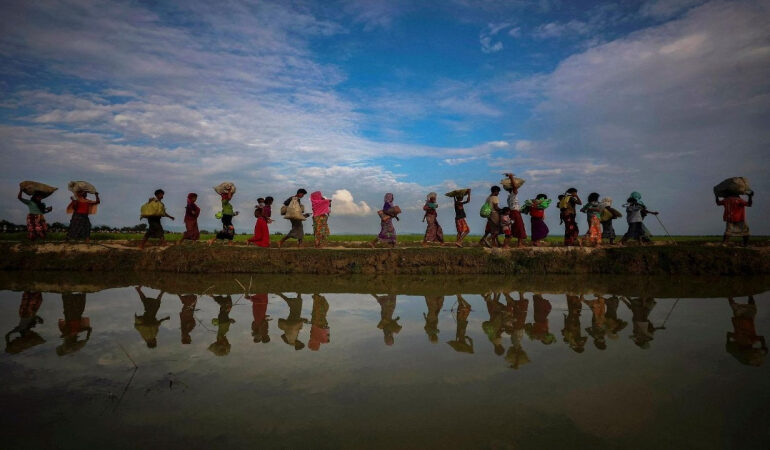
Beyond political repression, the elections are taking place amid a deepening humanitarian emergency that dominates daily life for millions of people. Prolonged conflict, economic collapse, and repeated natural disasters have forced vast numbers from their homes, creating one of the region’s most severe displacement crises. Millions now rely on humanitarian aid, while food insecurity is projected to worsen significantly in the coming year. International agencies warn that hunger and malnutrition are already widespread, with children and mothers among the most affected. In this context, the promise of elections offers little relief to families focused on survival rather than political choice. For faith based and humanitarian voices, the situation in Myanmar raises urgent moral questions about the protection of civilians, the meaning of legitimacy, and the responsibility of the global community not to normalize violence carried out under the appearance of democratic process.