

Nazarene Feast Becomes National Prayer for Justice in the Philippines
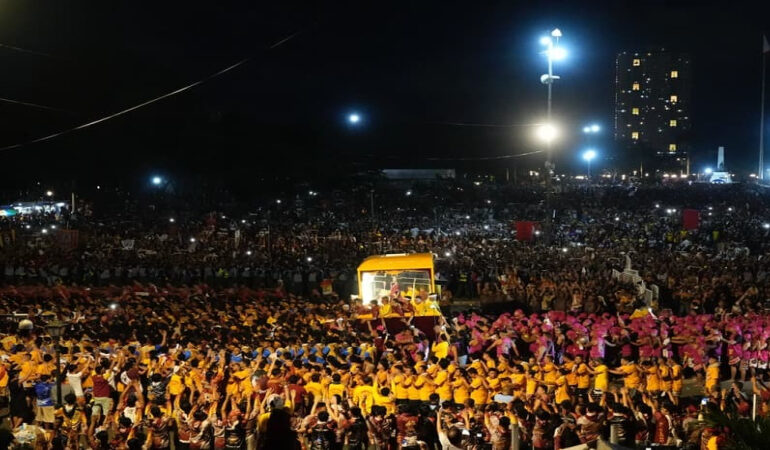

Millions of Filipino Catholics took part in the annual Feast of Jesus Nazareno in Manila, turning one of Asia’s largest religious gatherings into a collective prayer for a country shaken by corruption and political tension. The devotion, held every January 9, drew vast crowds who carried personal intentions alongside appeals for national renewal. Many devotees spoke openly about their hope for the moral conversion of public officials, linking their faith to the daily struggles of ordinary citizens. As the image of the suffering Christ was prepared for its traditional procession through the capital’s streets, the atmosphere reflected not only personal piety but also a deep frustration over inequality, misused public funds, and the growing burden placed on the poor.
The feast unfolded against the backdrop of a major corruption scandal involving billions of pesos allegedly diverted from flood control projects, an issue that has heightened public anger amid recurring natural disasters. For many participants, prayer became a way to confront a sense of powerlessness. Devotees described the contrast between politicians accused of wrongdoing and students forced to wade through floodwaters as emblematic of a deeper moral crisis. Long hours of waiting, often lasting through the night, were embraced as acts of sacrifice offered for families, communities, and the nation. The devotion to Jesus Nazareno, a dark skinned image of Christ venerated for centuries, continues to resonate strongly with those who identify their own suffering with his.
Church leaders used the occasion to call for a broader social conscience rooted in faith. Clergy from Quiapo Church emphasized that devotion should not end with personal petitions but extend to awareness of social realities, especially corruption that harms the poorest sectors of society. During liturgical celebrations linked to the feast, homilies directly addressed the moral responsibility of leaders and citizens alike. The call was not framed in partisan terms but as an appeal to conscience, urging humility, accountability, and a willingness to place the common good above personal power. The message echoed a longstanding tradition within Filipino Catholicism that connects popular piety with social responsibility.
The central procession, which can last nearly a full day, wound through Manila as devotees dressed in maroon pressed forward to touch the ropes and carriage bearing the image. For many, the physical intensity of the event mirrored the emotional weight of their prayers for peace, justice, and reconciliation in the country. As chants and prayers filled the streets, the feast once again demonstrated how religious devotion in the Philippines remains closely intertwined with national life. In a period marked by political division and public distrust, the Nazarene feast emerged as a moment when faith served as both refuge and protest, expressing hope that humility and truth might yet prevail.