
New Report Examines How Vatican Governance Reforms Are Shaping Future Conclave Dynamics
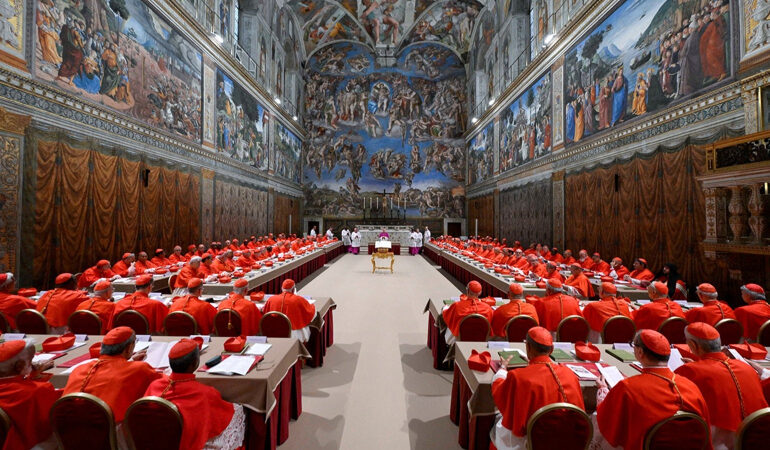

A newly released analysis is drawing attention to the ways recent Vatican governance reforms may influence the dynamics of a future conclave. As the Church continues to adjust administrative structures, financial procedures and pastoral priorities, observers note that these reforms are also shaping how cardinals understand their responsibilities in electing the next pope. The evolving governance model highlights a renewed emphasis on accountability, missionary focus and global representation, all of which may play a role in guiding the decision making of electors when the time comes.
The report underscores that while conclave procedures remain rooted in long standing tradition, the context in which cardinals will one day gather has shifted significantly. With changes in curial organization, increased transparency measures and expanded involvement of local churches worldwide, the electors will enter a future conclave with new perspectives on what type of leadership the Church most urgently requires. These developments offer insight into how governance reforms indirectly shape the priorities shaping the next election.
Governance reforms influencing priorities among electors
According to the analysis, updated governance structures may lead cardinals to place greater focus on administrative competence and pastoral clarity when selecting a pope. Reforms aimed at improving transparency and coordination within the Vatican have emphasized the importance of strong organizational leadership. As cardinals reflect on the needs of the Church, administrative effectiveness may be weighed more seriously alongside spiritual and theological qualities.
The simplification of various dicasteries and the increased emphasis on collaboration within the Curia demonstrate a vision of leadership that integrates pastoral mission with responsible management. Electors entering a future conclave may therefore consider how candidates understand and support these updated structures. This shift highlights the growing awareness that governance plays an essential role in supporting global evangelization and ecclesial unity.
Impact of strengthened international representation
The report also notes the continued global expansion of the College of Cardinals, which brings more diverse perspectives into discussions about the Church’s future direction. As cardinals from a broader range of cultural, economic and social contexts gather, their collective vision reflects a Church that is increasingly global. Vatican governance reforms that prioritize pastoral outreach and social engagement resonate strongly with this international body.
Cardinals from regions facing challenges such as persecution, migration or poverty may emphasize leadership that supports local churches and responds effectively to global pastoral needs. This diversity can shape the priorities considered during conclave deliberations, encouraging a choice that reflects the universal nature of the Church rather than a strictly regional perspective.
Transparency and accountability as emerging leadership expectations
Governance reforms that emphasize financial oversight and ethical accountability may also influence expectations for future Church leadership. Increased transparency within Vatican administration has reinforced the importance of integrity and trustworthiness in ecclesial governance. Electors may therefore place greater value on candidates known for clear communication, responsible stewardship and a proven commitment to ethical standards.
These expectations are shaped by ongoing efforts to rebuild trust among the faithful and strengthen internal structures. The report suggests that cardinals entering a conclave will be acutely aware of the importance of credibility and moral authority, especially in addressing challenges that have affected the Church’s public witness in recent decades.
Reforms encouraging a more synodal approach to leadership
Recent governance models also highlight the rising importance of synodality, a process that emphasizes listening, participation and shared responsibility. This approach encourages greater collaboration between bishops, clergy, religious and laity. As synodality becomes more integrated into Church life, cardinals may seek a leader skilled in fostering unity and guiding dialogue across diverse communities.
A more synodal governance framework encourages electors to consider candidates who can support global consultation processes and strengthen the relationship between the Vatican and local churches. This may influence the qualities cardinals view as essential for navigating future challenges and sustaining continuity with ongoing reforms.
Conclusion
The new report suggests that Vatican governance reforms are shaping the context and priorities that will influence a future conclave. Through changes emphasizing accountability, global representation and synodality, cardinals may enter the next papal election with renewed expectations for leadership that can guide the Church through its evolving pastoral and administrative landscape.