
New US Catholic Migration Chair Emphasizes Compassionate Support for Immigrant Families


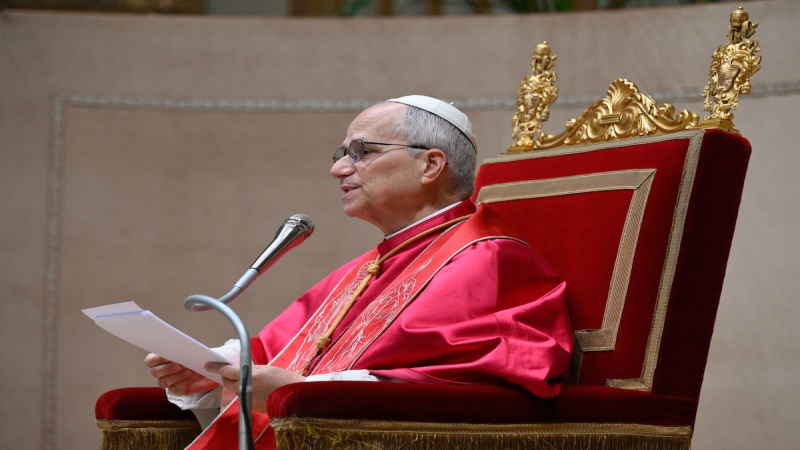
Bishop Brendan Cahill of Victoria, Texas, begins his term as chair of the U.S. bishops’ migration committee at a moment when debates over deportation and national policy have grown more intense. Leading a Gulf Coast diocese marked by cultural diversity and long-standing immigrant communities, he enters the role with decades of pastoral experience in Spanish-speaking parishes, multicultural ministry and close involvement with immigrants through Catholic Worker outreach. As the bishops redirect their focus through the You Are Not Alone initiative, Cahill has highlighted practical accompaniment, legal preparedness and visible solidarity with immigrant families as priorities, especially for those facing uncertainty under new federal enforcement expectations. He described the Church’s task as a pastoral mission of presence, centered not on political rhetoric but on safeguarding the dignity of individuals and supporting families through the anxiety caused by shifting immigration policy.
Cahill noted that in his diocese, fear and anticipation have often outweighed large-scale detentions, but the pastoral needs remain significant. Rural parishes, where priests and parishioners know one another closely, have helped identify those at risk and provide support ranging from Know Your Rights education to cooperation with local consulates. He compared the current climate to preparing for a storm: unknown in scale but demanding readiness. Under his leadership, the migration committee will also strengthen communication with bishops across the Americas through the Osmeca working group, which focuses on pastoral care both for migrants in transit and those returning to their countries of origin. Cahill stressed that the Church’s responsibility continues even after deportation, ensuring that individuals are not abandoned but remain connected to pastoral support and community care.
His approach extends as well to how the Church responds to critics, especially in an era when Catholics can be deeply divided by political identity. Cahill has insisted that respectful listening and patience must shape the Church’s witness, even amid disagreement. He described the moral clarity of defending vulnerable immigrants as inseparable from the Christian duty to show love toward those who oppose such positions. Rejecting labels and insisting on the humanity of all involved, he sees the role of the migration chair as one that must resist polarization while safeguarding principles of justice, compassion and accompaniment. In his view, Christian nonviolence and the example of the martyrs guide how Catholics should face hostility, with a focus on retaining a pure heart while continuing to advocate for those most at risk.