
New Vatican envoy to Syria calls for Christians to remain a bridge for dialogue amid uncertainty

The newly appointed Apostolic Nuncio to Syria, Archbishop Luigi Roberto Cona, has expressed hope that Christian communities will continue to serve as a vital bridge for dialogue in a country facing ongoing instability. Appointed by Pope Leo XIV, the Vatican envoy is expected to arrive in Syria on May 21, stepping into a complex environment marked by social fragility, economic strain, and renewed fears of regional escalation. His appointment follows the long service of Cardinal Mario Zenari, who held the role for 17 years during some of the country’s most turbulent periods.
Speaking ahead of his arrival, Archbishop Cona described his mission as one rooted in service, dialogue, and support for local Christian communities. Drawing on his previous experience in the Middle East, particularly in Jordan during the height of displacement caused by extremist violence, he recalled assisting thousands of refugees who had fled persecution while remaining steadfast in their faith. He said these encounters deeply shaped his understanding of resilience and sacrifice, noting that many chose to leave their homes rather than abandon their beliefs, a testimony that continues to influence his pastoral outlook as he prepares for Syria.
Addressing concerns about the future of Christians in Syria, the Archbishop acknowledged the uncertainty but emphasized their enduring role within the nation’s social fabric. He noted that Christian communities have historically contributed to the country’s cultural, legal, and economic development while also serving as a point of connection between different religious groups. He expressed hope that conditions will allow them to remain, highlighting that their presence is widely seen as a source of richness and balance in a diverse society. According to his perspective, sustaining this presence is essential not only for the Church but for the broader human and cultural stability of the country.
In a region shaped by prolonged conflict and political transition, Archbishop Cona underscored the importance of dialogue as the only viable path forward. He echoed the consistent teaching of the Church that peace is built through engagement rather than retaliation, stressing the need to focus on shared values instead of divisions. He offered his full willingness to facilitate encounters and promote understanding among different communities, aiming to create spaces where cooperation can replace confrontation. This approach, he suggested, is especially critical at a time when fears of renewed violence and geopolitical tensions continue to weigh heavily on the population.
The Archbishop also highlighted the humanitarian dimension of his mission, particularly the ongoing challenges faced by those displaced by war and natural disasters. He indicated that efforts to support reconstruction and improve living conditions will be a priority, especially for families still without stable housing. His remarks pointed to the broader role of the Vatican’s diplomatic presence in promoting not only spiritual guidance but also human dignity and practical support for those in need, reinforcing the Church’s commitment to solidarity in times of crisis.
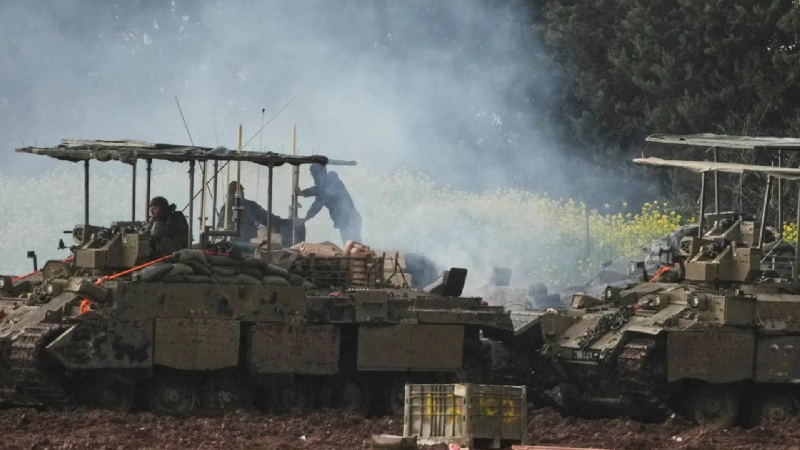
Amid reports of recent military incidents and regional tensions, Archbishop Cona called for restraint and a renewed commitment to peaceful solutions. He expressed confidence that diplomacy continues to operate, even when its work is not immediately visible, describing it as a quiet but persistent effort that seeks to prevent further escalation. Reflecting on the legacy of figures such as Óscar Romero, he emphasized the importance of pastoral courage rooted in the Gospel, urging leaders to remain focused on the well being and unity of the people rather than political alignment in a fragile and divided context.