New York Catholics Look to Incoming Archbishop to Sustain Creation Care Efforts

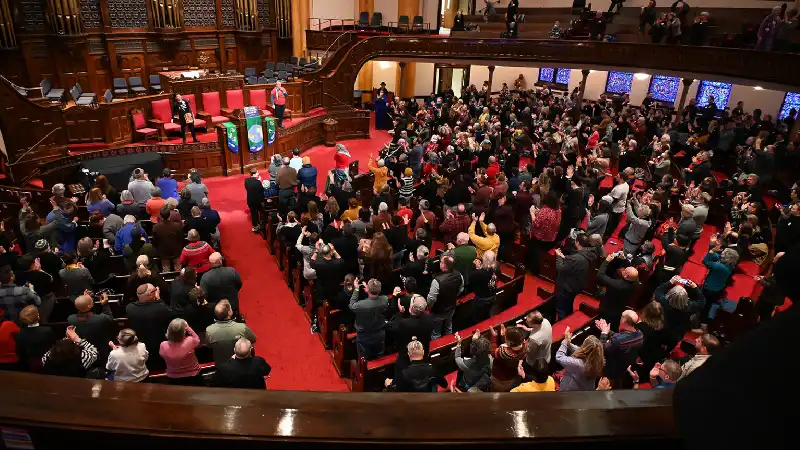
Catholics in New York involved in environmental and creation care initiatives are expressing cautious optimism as Archbishop designate Ronald Hicks prepares to assume leadership of one of the largest dioceses in the United States. His installation at St Patrick’s Cathedral comes amid ongoing efforts within the Archdiocese of New York to integrate environmental responsibility into parish life, education, and infrastructure. Advocates point to existing initiatives inspired by the Church’s teaching on care for creation, including energy efficiency projects and parish level engagement, and hope these efforts will continue under new leadership. Hicks arrives from the Diocese of Joliet, where he supported initiatives linking Catholic social teaching with ecological responsibility, reinforcing expectations that environmental concerns will remain part of the archdiocese’s pastoral and administrative priorities.
In recent years, the Archdiocese of New York has developed a visible profile in energy management and sustainability, particularly through large scale building projects and audits aimed at reducing emissions and long term operating costs. St Patrick’s Cathedral, which relies on a geothermal heating and cooling system, is often cited as an example of how historic religious buildings can adapt to modern environmental standards. Archdiocesan officials say similar efforts are underway across schools, parishes, and administrative facilities, driven both by Church teaching and by compliance with state and municipal environmental regulations. These projects have been coordinated through a dedicated energy management office, a structure that remains relatively uncommon among US dioceses.
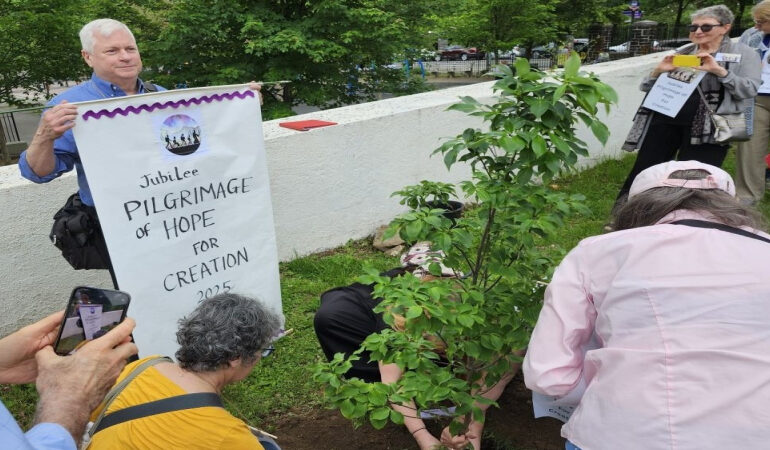
Grassroots Catholic groups focused on creation care have also been active across the New York metropolitan area, organizing educational programs, prayer events, and parish initiatives related to environmental stewardship. These groups operate alongside archdiocesan structures, often collaborating with clergy and diocesan offices to promote awareness of Church teaching on ecology. Leaders involved in these efforts say engagement varies widely between parishes, reflecting differences in resources, pastoral priorities, and local conditions. While interest has grown since the publication of Laudato Si’, participants acknowledge that broader integration into parish life remains gradual, particularly in an archdiocese spanning dense urban neighborhoods and rural communities.
Observers note that Hicks’ experience in Joliet included participation in the Vatican supported Laudato Si’ Action Platform and encouragement of diocesan level planning around creation care. His appointment by Pope Leo XIV has prompted expectations that similar frameworks could be explored in New York, though no specific plans have been announced. As the archdiocese transitions to new leadership, clergy and lay Catholics involved in environmental initiatives say their focus remains on continuity rather than expansion. They view the coming months as an opportunity to align existing programs more closely with pastoral priorities, while navigating financial, administrative, and pastoral challenges inherent in a diocese of significant size and diversity.