
Nuncio Warns Prolonged Middle East War Will Deepen Regional Instability
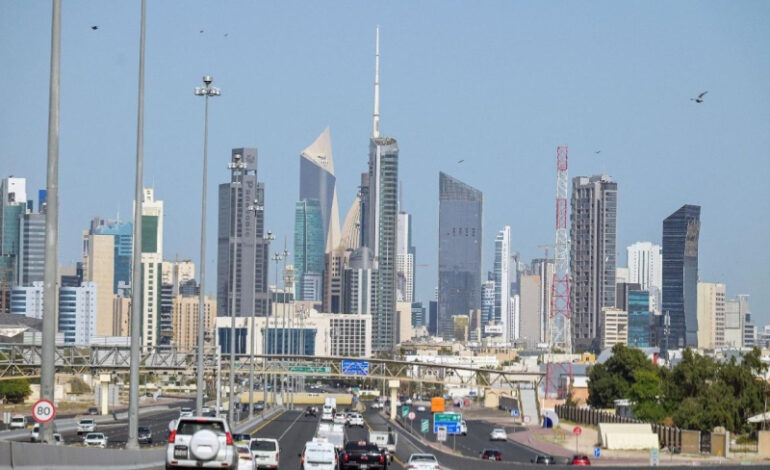

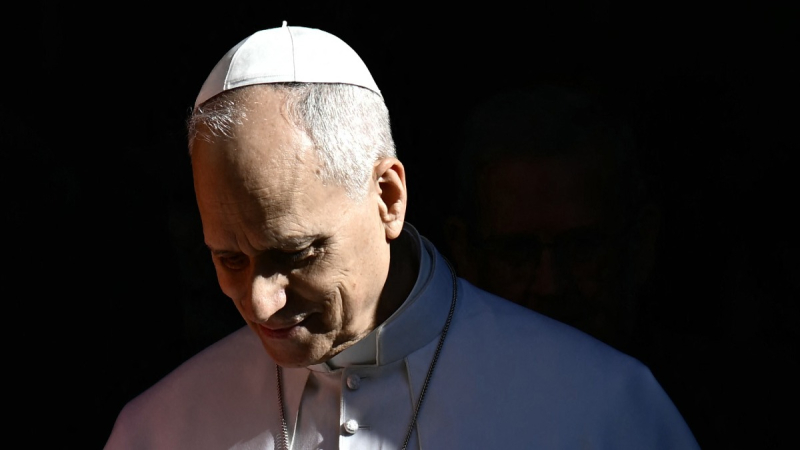
As violence intensifies across parts of the Arabian Peninsula, Archbishop Eugene Nugent, Apostolic Nuncio to Kuwait, Bahrain, and Qatar, has warned that a prolonged conflict would bring lasting harm to a region already facing political and economic strain. His remarks come after a series of Iranian strikes and retaliatory actions that have shaken states long viewed as pillars of stability in the Gulf.
Since February 28, multiple incidents have been reported in Kuwait, the United Arab Emirates, and Bahrain. Explosions were heard in Dubai, Abu Dhabi, Doha, and Manama, while in Kuwait thick smoke was seen rising near the United States embassy following a reported drone attack. Although there were no confirmed fatalities at the diplomatic compound, the incident heightened concerns about the safety of foreign nationals and the vulnerability of strategic infrastructure.
Military installations and airport facilities have also been targeted. In Kuwait, areas near the Ali al Salem air base were reportedly struck, raising fears of broader regional escalation. Civil aviation hubs, including sections of Kuwait International Airport, have faced disruptions, adding to anxiety among residents and expatriate communities.
Archbishop Nugent described the situation as dramatic and increasingly unpredictable. He noted that sleepless nights and constant sirens have become part of daily life. While the neighborhood surrounding the Apostolic Nunciature remains calm, the proximity of diplomatic and military sites has reinforced a sense of uncertainty.
The Gulf states affected by the conflict have historically promoted interreligious dialogue and economic cooperation. The current crisis has therefore generated particular shock among communities that value coexistence and regional stability. Religious leaders have called for prayer and fasting for peace, especially during a period when Christians observe Lent and Muslims observe Ramadan, underscoring a shared spiritual commitment to reconciliation.
The Holy See has consistently emphasized dialogue over confrontation. Recent appeals for negotiation have been widely shared among Catholic communities in the region. Local Church leaders remain in contact with civil authorities and diplomatic representatives, encouraging all parties to pursue diplomatic channels before further damage is done.
Beyond the immediate security implications, observers warn that a sustained conflict could disrupt trade routes, energy exports, and foreign investment flows. The Gulf’s role in global energy markets makes stability in Kuwait, Bahrain, Qatar, and the United Arab Emirates critical for international economic confidence. Heightened tensions risk undermining investor sentiment and increasing volatility in oil and currency markets.
Archbishop Nugent stressed that once a war begins, its duration and consequences become difficult to predict. He expressed hope that renewed diplomatic efforts, including potential international mediation, might open space for dialogue despite the complex internal dynamics within Iran and across the region.
In churches that remain open, Masses continue with prayers for peace, while other parishes have shifted to smaller gatherings. Devotion to Our Lady of Arabia remains central for many faithful, symbolizing hope amid uncertainty and reinforcing calls for restraint at a time when weapons dominate the headlines.