Oil Wells on Los Angeles Archdiocese Land Permanently Sealed After Years of Community Advocacy

After more than a decade of sustained community activism, oil wells operating on land leased from the Los Angeles Archdiocese have been permanently sealed, marking a significant environmental milestone in south Los Angeles.
California Governor Gavin Newsom announced on February 11 that 21 oil wells at the AllenCo Energy site in the University Park neighborhood have been plugged and closed as part of a broader state initiative to remediate orphaned oil and gas wells. The project received partial funding through federal infrastructure legislation aimed at addressing environmental hazards nationwide.
The drilling facility had long been a source of controversy. Residents in University Park, a predominantly Hispanic community, began reporting toxic odors and health concerns after AllenCo Energy increased drilling operations in 2009. Complaints eventually prompted federal attention, including inspections by the U.S. Environmental Protection Agency. According to previous reports, EPA officials visiting the site also experienced respiratory discomfort.
The land on which the drilling site sits has been owned by the Los Angeles Archdiocese since the 1950s, when it was donated by the family of oil businessman Edward Doheny. The wells were located near residential housing, Mount St. Mary’s University, and St. Vincent de Paul Catholic Church, placing the issue at the intersection of environmental health and Catholic institutional responsibility.
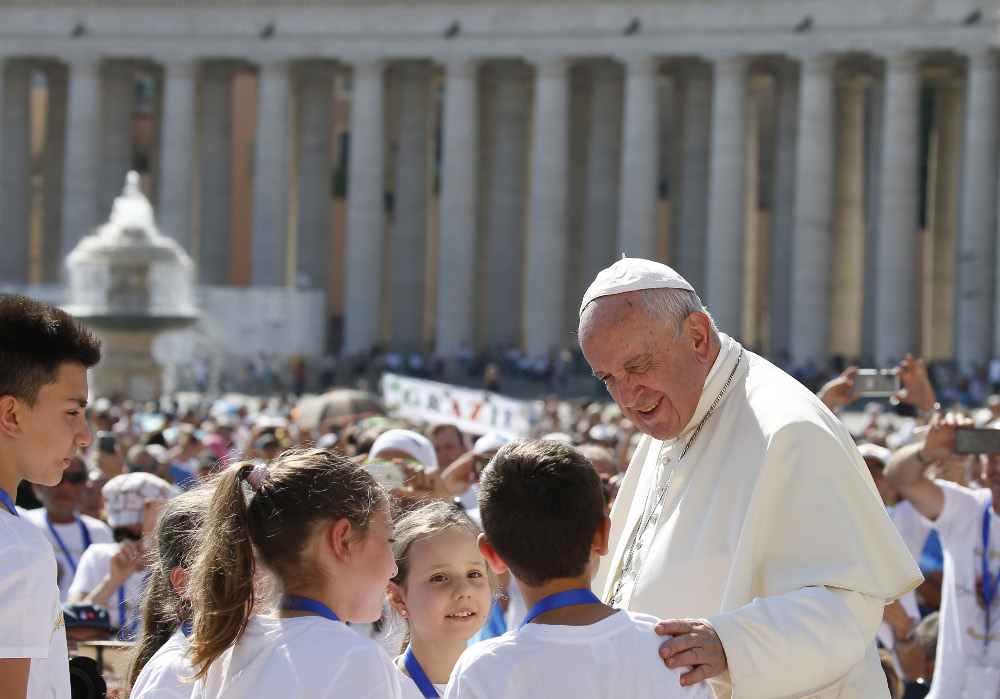
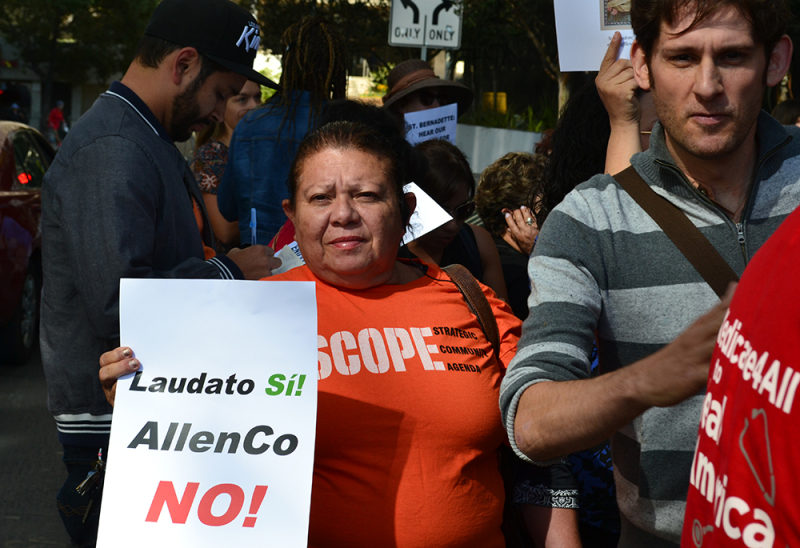
Community organizers, including parishioners from nearby Catholic churches, formed advocacy campaigns urging the archdiocese to end its lease with AllenCo. Demonstrators frequently cited Catholic social teaching and Pope Francis’ 2015 encyclical Laudato Si, which calls for care for the environment and a transition away from fossil fuels. Rallies and public appeals sought greater engagement from Church leaders regarding the health and safety of local families.
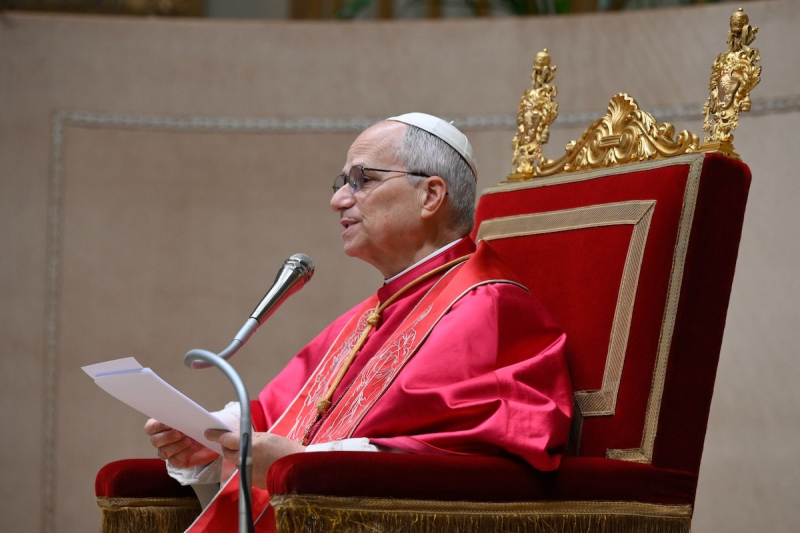
In past statements and legal filings, the archdiocese maintained that it did not have direct operational control over the drilling site and lacked authority to unilaterally terminate the lease. Church officials stated that they supported regulatory enforcement to ensure public safety and compliance with environmental laws. The archdiocese has also been involved in litigation concerning responsibility for remediation and cleanup.
Following the state’s announcement, the archdiocese expressed satisfaction that the wells had been sealed. Church representatives indicated that efforts will continue to ensure that responsible parties restore the property and address any remaining environmental concerns before decisions are made about its future use.
Environmental advocates described the sealing of the wells as a turning point for a neighborhood that has endured years of uncertainty and pollution fears. State officials framed the action as part of a broader commitment to environmental justice and public health.
The closure of the AllenCo site reflects ongoing debates about fossil fuel extraction in urban areas, the responsibilities of landowners, and the growing influence of faith based environmental advocacy within local communities.