




Order of Malta’s Recent Pledge
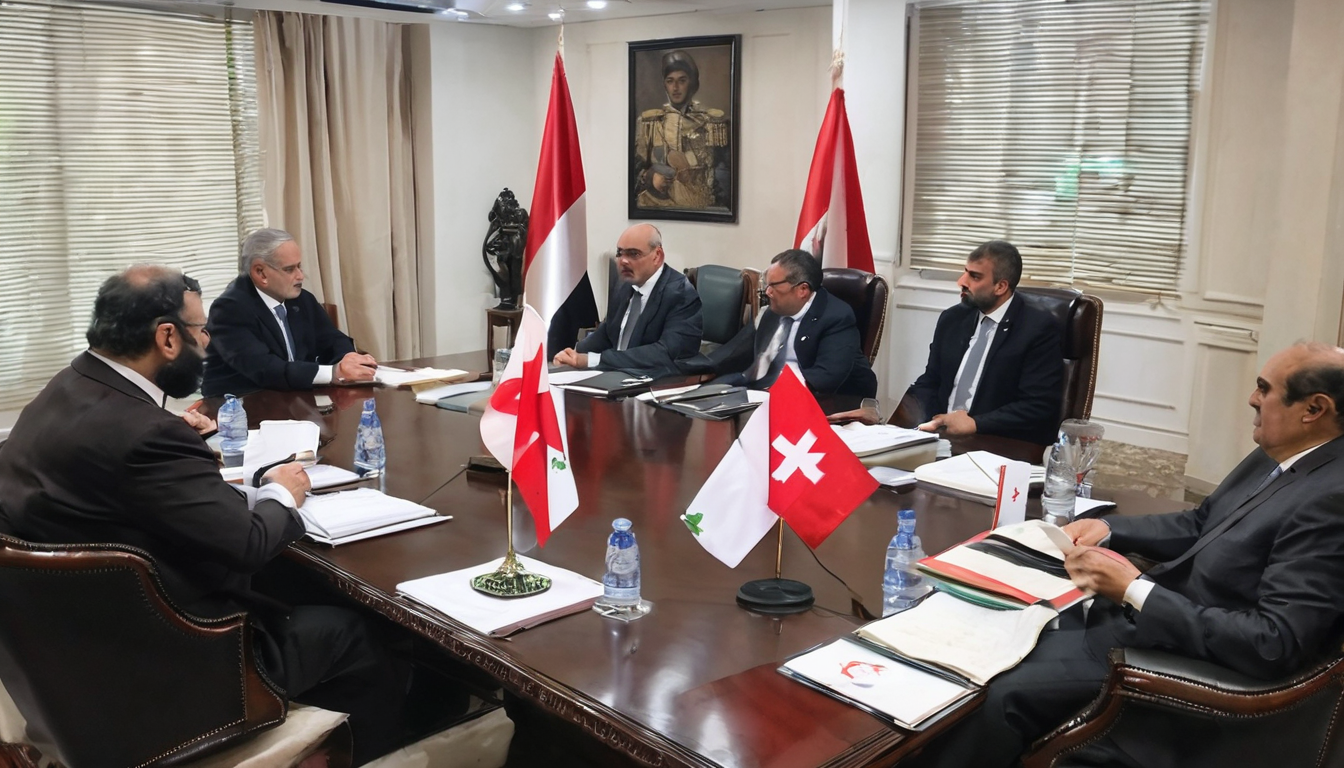
The Order of Malta has reaffirmed that its humanitarian support in Lebanon will remain constant, with a focus on the most exposed communities in the south and along displacement routes. In operational terms, the pledge signals continuity for clinic services, mobile medical visits, and the supply lines that keep essential medicines and basic care available despite disruptions. Today, staff and volunteers are described as maintaining a steady tempo rather than expanding promises beyond capacity, a posture meant to protect reliability for patients who cannot afford gaps in treatment. The Catholic Church network is presented as a practical partner, helping identify urgent needs and providing trusted channels for outreach when official systems are stretched. This is a commitment framed around consistency, accountability, and continuity of care.
Impact on Southern Lebanon
For southern Lebanon, the immediate effect of sustained programming is less about headlines and more about predictable access to consultations, referrals, and follow up, especially for chronic conditions that deteriorate quickly when routines collapse. A Live picture from aid workers emphasizes how medical stocks, patient transport, and safe access are the real determinants of survival, not declarations. In a separate context, the same discipline is seen when readers track evolving situations elsewhere, as in Barcelona power past Real Madrid into UCL semis, where momentum is measured by repeatable execution, not a single moment. The Order’s approach similarly leans on repeatable service delivery and a clear chain of responsibility. The message is that humanitarian support remains anchored in routine, even when daily conditions are unstable.
Historical Support by the Order
In recent years, the Order’s work has built a reputation for medical and social assistance that can function under pressure, and its teams have repeatedly returned to the same towns to keep services intact. The latest Update from Vatican linked reporting underlines that the intent is not to reinvent programs each time the security environment shifts, but to protect core capabilities such as primary care, medication continuity, and assistance to families navigating displacement and loss. Coordination with local structures and faith based partners is highlighted as a way to verify needs quickly and avoid duplication, especially when multiple actors converge on the same emergency. This historical posture matters because credibility in crisis is earned by showing up repeatedly, documenting outcomes, and staying transparent about what can and cannot be delivered.
Challenges Facing the Region
The obstacles to maintaining humanitarian support in Lebanon are described in practical, nonpolitical terms: interrupted access, procurement delays, volatile transport routes, and the physical strain on frontline personnel. Today, the problem set includes keeping cold chains stable for certain medicines, ensuring secure movement for mobile units, and managing the financial unpredictability that can hit both aid groups and the families they serve. Health needs also compound, with stress related illness and untreated chronic disease rising when clinics are missed. A Live operational constraint is that even when supplies exist, getting them to the right point at the right time can require rerouting, rapid coordination, and continuous risk assessment. These pressures force organizations to prioritize, document triage decisions, and protect staff welfare without abandoning communities that have few alternatives.
Future Prospects and Initiatives
Looking ahead, the stated direction is to keep services stable while improving efficiency, strengthening referral pathways, and tightening coordination with credible partners so that the same resources reach more patients safely. The next Update is expected to focus on how clinics and mobile teams will adapt scheduling, supply planning, and patient follow up to reduce missed appointments and avoid treatment interruptions. External reporting provides additional context, including Vatican News coverage of the Order of Malta pledge, which frames the initiative as a sustained commitment rather than a short term surge. Operationally, the emphasis remains on measurable delivery: consultations completed, medicines distributed, referrals secured, and vulnerable households supported with clear accountability to donors and local communities.