

Introduction to Anglican Ordinariate
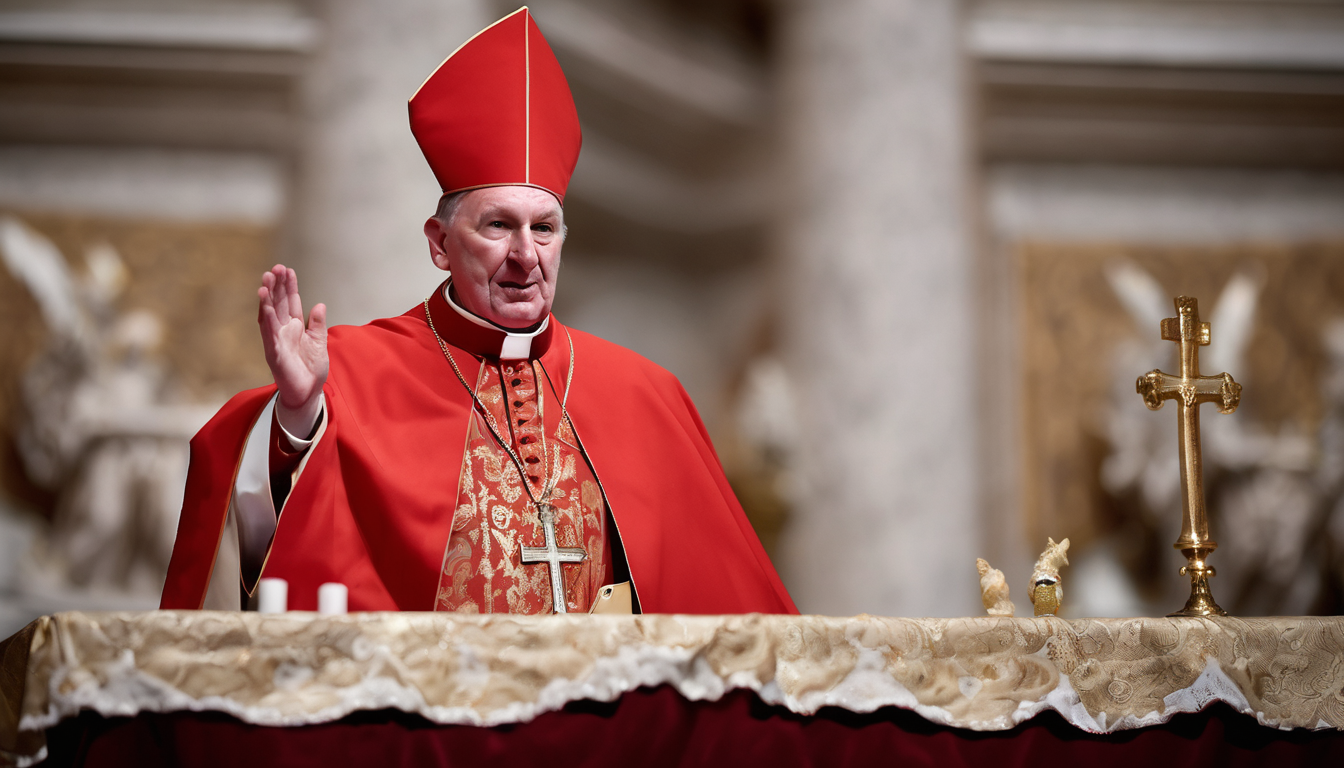
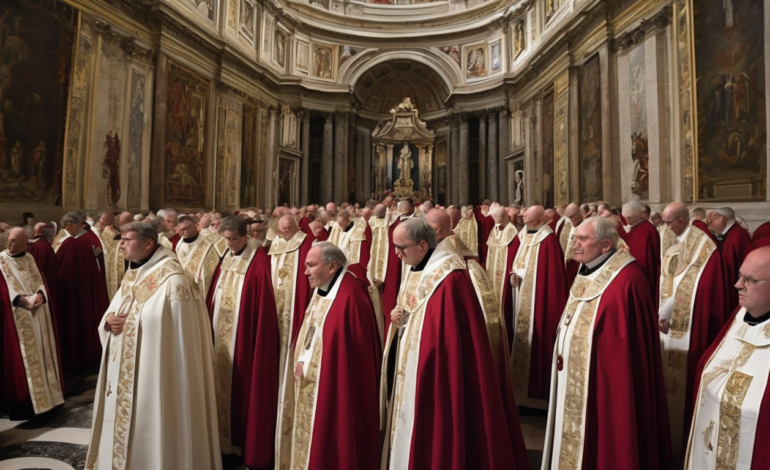
Ordinariate bishops meeting in Rome framed the Anglican Ordinariate as a living communion with a “core shared identity” that is neither nostalgia nor a niche brand, but a disciplined way of being Catholic. Their reflection emphasized that unity is expressed through common worship, consistent pastoral practice, and a recognizably Anglican pattern of faith handed on inside full communion. Read alongside the Vatican’s own reporting, the bishops’ remarks center on how ordinary parish life becomes the proof point of this identity, not conference statements or institutional logos. The discussion was presented as practical: how clergy and families pray, how communities welcome newcomers, and how local missions hold together across different countries and cultures without losing their distinctive spiritual grammar.
Historical Background
The bishops’ comments tracked the Ordinariate’s identity through its ecclesial formation and the way it has matured under the Holy See’s guidance, particularly through the Dicastery for the Doctrine of the Faith. Their argument was straightforward: what began as a pastoral provision has developed into a stable structure with a coherent internal culture, recognizable to members and legible to the wider Church. That culture has been consistently described as a gift, not an exception, and the bishops positioned it as part of the Catholic Church’s normal life. For context on the Vatican’s characterization of this continuity, see Vatican affirming Anglican heritage as vital to mission, and the original report at Vatican News coverage of the bishops’ meeting.
Key Spiritual and Pastoral Traits
When the bishops spoke about a core identity, they treated spiritual heritage as a set of pastoral habits with measurable outcomes: reverent liturgy that forms people week after week, preaching that connects doctrine to daily decisions, and a parish rhythm that makes prayer feel normal rather than performative. They stressed that the Ordinariate’s style is not a competing “rite,” but a way of receiving Catholic faith with a distinctive cadence, language, and musical tradition that can strengthen evangelization. Importantly, the bishops described identity as portable: it is meant to survive transfers, new clergy assignments, and demographic shifts because it is carried in prayer books, formation practices, and an ethos of beauty ordered toward truth. On ecumenical resonance, the Pope’s message on Anglican dialogue shows how this witness is read beyond Ordinariate boundaries.
The Role of Lay Participation
The bishops placed lay participation at the center of sustainability, arguing that Ordinariate life thrives where the laity are formed to lead in ways that match Catholic discipline and Ordinariate culture. Their emphasis was not on volunteers filling gaps, but on mature co-responsibility: trained catechists, capable pastoral council members, musicians who understand the liturgy they serve, and families who can welcome seekers without diluting doctrine. They highlighted the domestic church as the decisive venue where identity is preserved, because habits learned at home stabilize parish life when schedules, jobs, or relocations interrupt attendance. The point was tactical: communities that invest in household prayer, robust sacramental preparation, and consistent moral formation are harder to fracture. In that sense, the bishops portrayed lay leadership as a competitive advantage for mission, especially in places where priests cover multiple communities and continuity depends on well-formed local teams.
Future Vision and Challenges
Looking ahead, the bishops’ vision read like a performance brief: protect what makes the Ordinariate coherent, while ensuring it serves the wider Church rather than turning inward. They flagged challenges that are familiar in any Catholic setting but felt sharper here: maintaining high-quality liturgical formation, recruiting and supporting clergy who can live the charism, and keeping parishes financially stable without drifting into a club mentality. They also implied that clarity of identity is a pastoral safeguard, because ambiguity invites fragmentation and uneven practice between communities. The wider Catholic context matters, too, particularly the diplomatic and ecumenical temperature around Anglican-Catholic relations; the Pope’s April meeting with Canterbury offers a recent reference point. For additional reporting, Catholic News Agency provides ongoing coverage of related Vatican and ecclesial developments.