Palm Sunday Procession in Jerusalem Cancelled as War Disrupts Holy Week Traditions

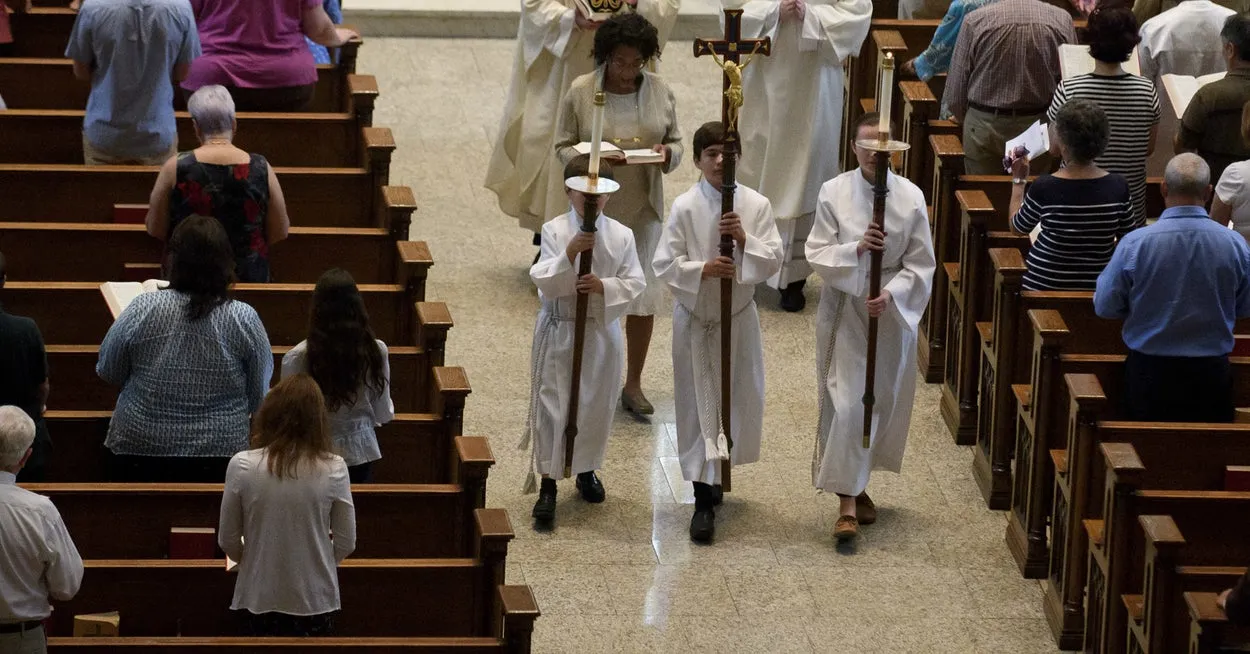
The traditional Palm Sunday procession in Jerusalem has been cancelled this year as the ongoing war in the Middle East continues to affect religious life in the Holy Land. Church authorities confirmed that the annual procession, which usually begins at the Mount of Olives and moves toward the Old City, will not take place due to security concerns and movement restrictions. Instead, a smaller moment of prayer is expected to be organized at a location that will be determined based on evolving conditions. The decision reflects the growing impact of the conflict on long standing Christian traditions during one of the most significant periods in the liturgical calendar.
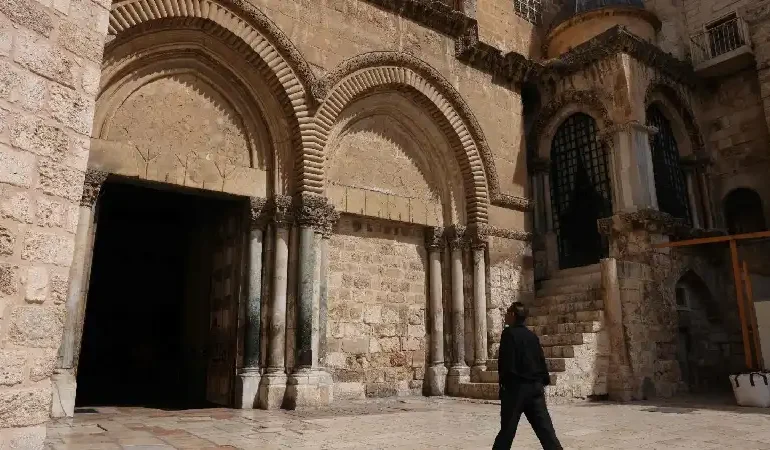
Church leadership indicated that the situation remains highly uncertain, making it difficult to plan large scale public celebrations. It was also announced that the Chrism Mass, typically held during Holy Week at the Basilica of the Holy Sepulchre, has been postponed until conditions allow for a safe gathering. Officials noted that the current environment does not support open access events, and any form of public participation must be carefully assessed in coordination with local authorities. The absence of these key celebrations highlights the wider disruption facing religious communities across Jerusalem during a time that is usually marked by pilgrimage and collective worship.
Religious leaders emphasized that ongoing dialogue is taking place with different Christian communities and local authorities to determine how essential liturgical events can still be observed in a limited and secure manner. However, they acknowledged that traditional gatherings open to large numbers of faithful will not be possible under current conditions. The evolving nature of the conflict means that planning is being carried out on a day to day basis, with adjustments made depending on security developments. This approach reflects both the uncertainty on the ground and the need to preserve core religious observances within restricted circumstances.
Despite these limitations, churches across the region remain open, and clergy are encouraging believers to participate in prayer within smaller settings such as parishes and family homes. Faith leaders have called on communities to maintain spiritual continuity through personal devotion and local gatherings, even as the collective dimension of Holy Week is reduced. Special emphasis has been placed on prayer for peace, with a dedicated day of collective prayer being encouraged so that individuals can remain united in intention despite physical separation. This shift underscores the role of faith practices in sustaining communities during periods of crisis.
The cancellation of major Holy Week events has been described as another painful consequence of the conflict, adding to the broader strain experienced by local populations. At the same time, religious messages have continued to stress resilience, hope and the enduring significance of Easter. Clergy have reminded believers that the core meaning of the season remains unchanged, even when traditional expressions are disrupted. In the Holy Places themselves, daily prayers and liturgical rites continue under restricted access, reflecting a sustained commitment to spiritual presence and continuity despite the surrounding instability.