
Papal Preacher Says True Peace Begins With Humility in First Lenten Sermon at the Vatican
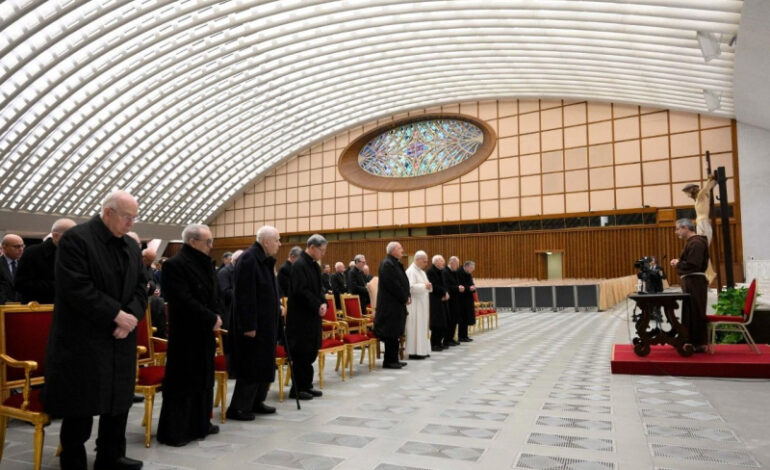

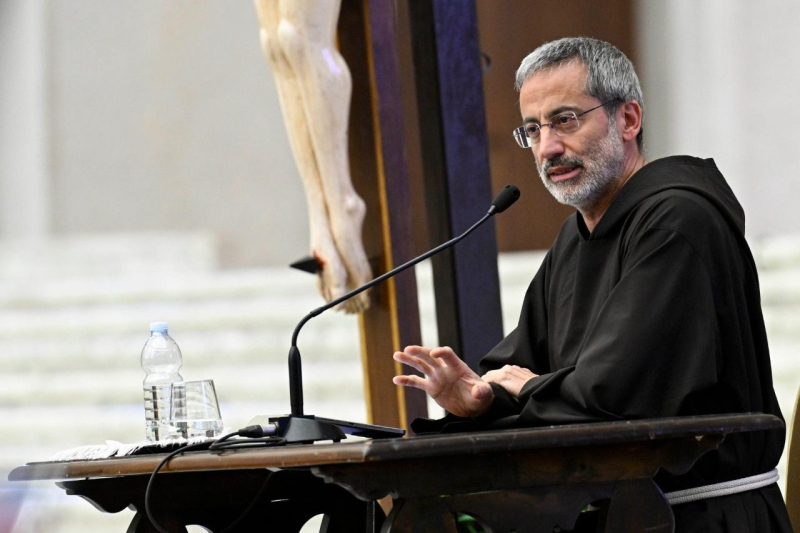
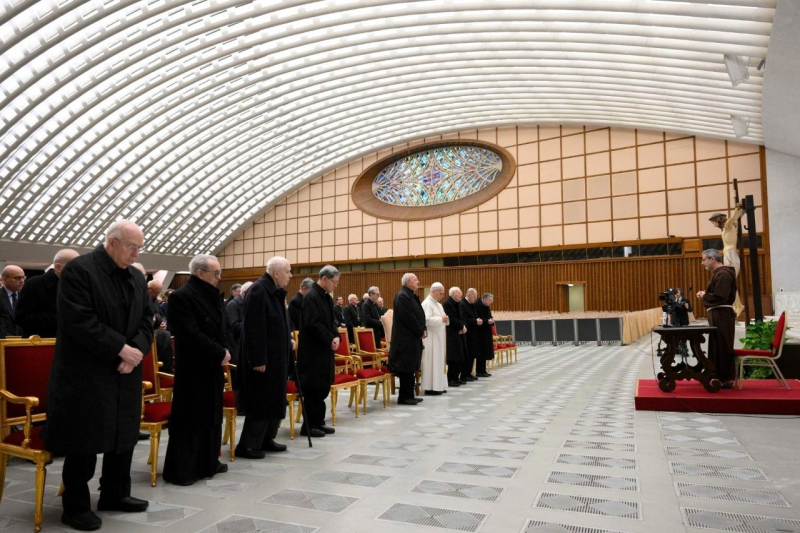
The Vatican opened its series of Lenten reflections with a meditation focused on humility, spiritual conversion and the path toward peace. Fr. Roberto Pasolini, the Preacher of the Papal Household, delivered the first sermon of the season in the Paul VI Audience Hall with Pope Leo XIV present. The reflections, which will continue each Friday throughout Lent, center on the theme drawn from the Second Letter to the Corinthians that those who are in Christ become a new creation. The Capuchin friar used the occasion to reflect on how humility and spiritual transformation remain essential elements of Christian life, particularly during times marked by conflict and global tension.
In his meditation Fr. Pasolini explained that speaking about humility and smallness may seem distant from the realities of war and suffering in the modern world. Yet he insisted that the courage to become small is not a theoretical idea but a practical responsibility for believers. According to him peace does not arise only from diplomatic negotiations or political agreements. Instead it grows from the daily choices of individuals who renounce violence pride and revenge. When people choose dialogue and humility even in difficult situations they create the conditions that allow peace to take root within communities and societies.
The preacher connected this reflection to the life of Saint Francis of Assisi whose spiritual journey inspired the theme of the Lenten meditations. Saint Francis was described as a man deeply shaped by the message of the Gospel and capable of awakening in others the desire for a new life in the Spirit. Fr. Pasolini explained that authentic conversion is not primarily an effort of human will but a response to God’s initiative. According to him the transformation of the heart begins at the deepest level of the human person where the image of God already exists and awaits renewal through grace.
Reflecting on the meaning of conversion the preacher spoke about the importance of recognizing sin and human responsibility. He noted that in modern society the concept of sin is often reduced to weakness or psychological limitation. When moral responsibility disappears he warned it becomes difficult to recognize the possibility of true goodness or holiness. In the Christian understanding the awareness of sin does not diminish human dignity but reveals the reality of human freedom. With that freedom individuals can either build or damage relationships with others and with God.
Humility was presented as a central path within this process of spiritual renewal. Fr. Pasolini explained that humility does not weaken a person but restores them to their authentic identity. Drawing inspiration from Saint Francis he described humility and poverty as spiritual attitudes rooted in the mystery of the Incarnation. Through these attitudes believers learn to accept their limitations and dependence on God. This path helps individuals move beyond the exaggerated image they may hold of themselves and rediscover a life grounded in truth trust and openness to grace.
The preacher also reflected on the idea that true greatness in Christian life often emerges through smallness. By embracing simplicity and vulnerability believers can awaken compassion and mercy in others. According to Fr. Pasolini the fragility of the humble person often inspires solidarity and kindness in the surrounding community. This spiritual smallness does not represent weakness or resignation but rather the renewed identity of those who recognize themselves as children of God and live with trust in divine providence.
He concluded his meditation by reminding listeners that conversion is never a single moment but an ongoing journey. Christians remain aware of their weaknesses while continually seeking renewal through God’s grace. The process of spiritual transformation requires perseverance and the willingness to begin again even after failures. Fr. Pasolini emphasized that humility becomes most necessary precisely in moments of conflict and hardship when the instinct to dominate or defend oneself is strongest. In those moments he said the Gospel invites believers to choose love dialogue and faithfulness even when the path appears difficult.