
Papal Transitions in Context: What History Tells Us About This Moment
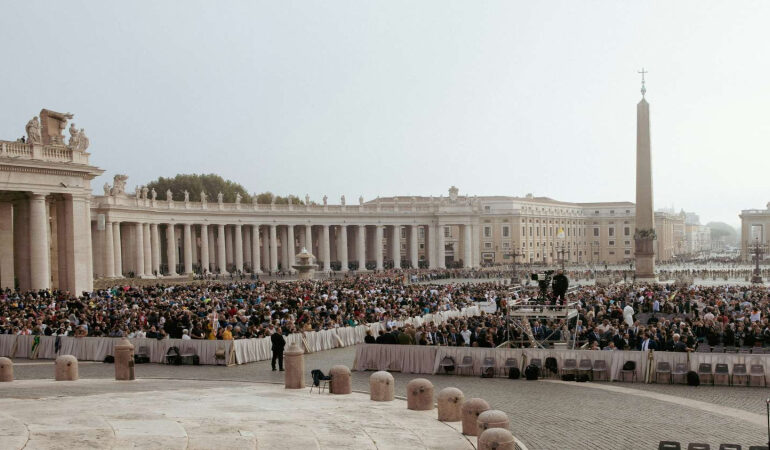

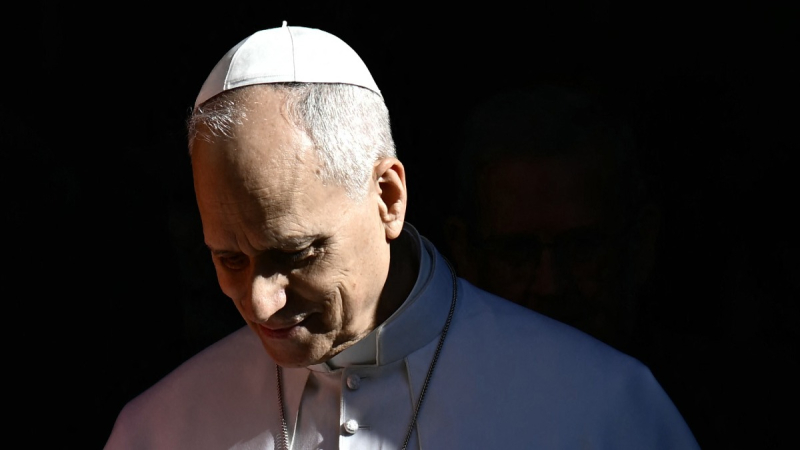
Papal transitions are moments of heightened attention for the Catholic Church. They invite reflection, speculation, and comparison, often framed as turning points. Yet history suggests that transitions are best understood not as breaks, but as moments of recalibration within a much longer narrative. The election of Pope Leo XIV fits squarely within this historical pattern.
Looking at past transitions helps place the present moment in perspective. While each papacy brings its own character and priorities, the Church’s approach to leadership change has consistently balanced continuity with renewal. History reminds us that what appears decisive in the short term often unfolds gradually over years.
Transitions as Periods of Reorientation, Not Rupture
Historically, papal transitions function as periods of reorientation rather than rupture. New popes inherit institutions, traditions, and challenges that shape the scope of change. While tone and emphasis may shift, foundational structures remain intact.
This pattern reflects the Church’s understanding of leadership as stewardship. Authority is exercised within a received framework rather than reinvented. Pope Leo XIV’s early emphasis on governance and restraint aligns with this historical tendency toward measured transition.
The Role of Continuity in Papal Succession
Continuity has always been central to papal succession. Despite differences in personality and style, popes operate within a shared institutional and theological inheritance. This continuity ensures stability during change.
Historical examples show that even periods of reform unfolded within continuity. Councils, administrative adjustments, and pastoral shifts were rarely immediate. They developed over time, guided by reflection rather than urgency. This context tempers expectations for rapid transformation.
How History Shapes Expectations
Modern media often amplifies expectations around new papacies. History offers a corrective. Most significant developments associated with a papacy emerge slowly through governance, teaching, and appointment.
Looking back, many papal legacies became clear only after years of leadership. Early signals mattered, but interpretation matured over time. This historical lens encourages patience and attentiveness rather than instant judgment.
The Church’s Institutional Memory
One of the Church’s strengths during transitions is institutional memory. The Vatican retains experience accumulated across centuries of leadership change. This memory shapes how transitions are managed and absorbed.
Institutional memory reduces disruption. It allows governance to continue smoothly while leadership priorities gradually take shape. Pope Leo XIV’s reliance on structure and process reflects confidence in this accumulated wisdom.
Transitions and Global Context
Papal transitions have always occurred within broader historical contexts. Wars, social change, and cultural shifts influenced how new popes governed. Today’s transition unfolds amid globalization, digital communication, and polarization.
History shows that popes adapt to context without being defined by it. The Church’s response is shaped by long term mission rather than immediate conditions. This perspective underscores the importance of discernment during transition.
What History Suggests About This Moment
Placed in historical context, the current transition appears less dramatic and more deliberate. Pope Leo XIV’s early choices reflect awareness of the Church’s long arc. His emphasis on stability echoes historical patterns of consolidation following change.
Rather than signaling rupture, this moment reflects continuity with adaptation. History suggests that such periods often produce durable outcomes precisely because they resist haste.
Conclusion
History teaches that papal transitions are moments of recalibration within continuity. While each pope brings distinct priorities, leadership unfolds within an enduring framework shaped by memory and mission. Seen in context, the present transition under Pope Leo XIV reflects the Church’s long standing pattern of measured change, reminding observers that stability and patience often shape the most lasting chapters of papal history.