Parish Support Deepens as Chicago Immigrant Families Seek Safety Through Faith
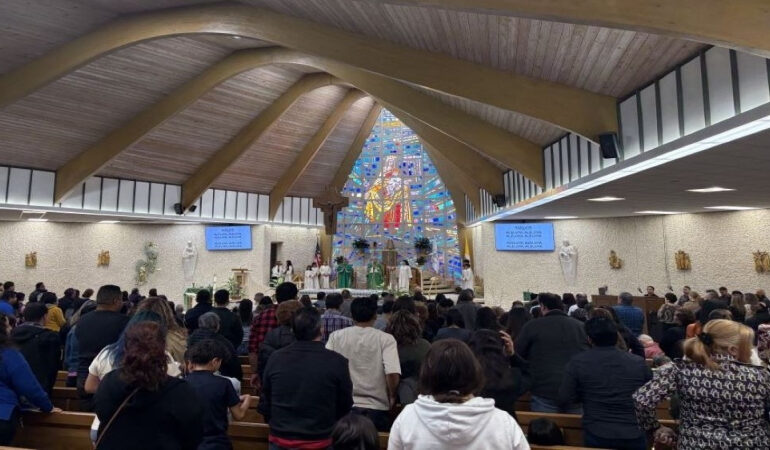

The growing anxiety within immigrant communities in suburban Chicago has intensified in recent weeks, prompting Our Lady of Mount Carmel Parish in Melrose Park to expand its pastoral response. The parish, serving one of the largest Central American immigrant populations in the region, has seen a significant rise in requests for legal guidance and emotional support following the fatal shooting of an undocumented father during an encounter with immigration agents. Parish volunteers and clergy report that conversations once centered on sacramental planning and family celebrations have shifted toward emergency planning, legal protection strategies, and questions about how to shield vulnerable relatives from detention risks. Many families describe a climate of uncertainty that influences their daily routines, with some parishioners expressing reluctance to leave their homes except when absolutely necessary. The parish’s clergy have responded by strengthening pastoral outreach and reinforcing the message that faith, community, and practical preparation remain essential sources of resilience.
Inside parish offices, community members gather to share their stories, seek advice, and participate in workshops where they learn how to protect their rights and document essential responsibilities should a family member be detained. Volunteers who have lived undocumented for decades are helping newer arrivals understand how to navigate interactions with enforcement officers and how to prepare guardianship papers for children. Several mothers described living in a state of quiet vigilance, balancing work, school, and family obligations while carrying the fear that their presence in public spaces could result in detainment. At the same time, many say the parish has become their most stable refuge. Holy Hour gatherings, prayer circles, and memorial services have provided emotional grounding for families experiencing trauma, while young adults in the community increasingly rely on parish groups as a safe environment to process their concerns about the future.
Pastoral leaders at Mount Carmel have emphasized that the parish remains committed to remaining open, welcoming, and spiritually active even as immigration operations escalate in surrounding neighborhoods. They have declined to suspend ministries, arguing that the consistency of worship, community life, and prayer is vital for those who feel threatened by shifting enforcement patterns. In recent weeks, the parish hall has been repurposed for legal clinics where hundreds of families have finalized documentation to protect property and secure temporary guardianship arrangements for minor children in worst case scenarios. Clergy also highlight the broader ethical dimension, noting that Catholic teaching underscores the dignity of migrants and the moral obligation to accompany those in distress. Despite fear and uncertainty, parish attendance continues to grow, especially during evening Masses where families find solace through communal prayer. This blend of practical assistance and spiritual solidarity has become a defining feature of the parish’s mission during a period of heightened tension