


Cardinal Parolin’s Key Messages
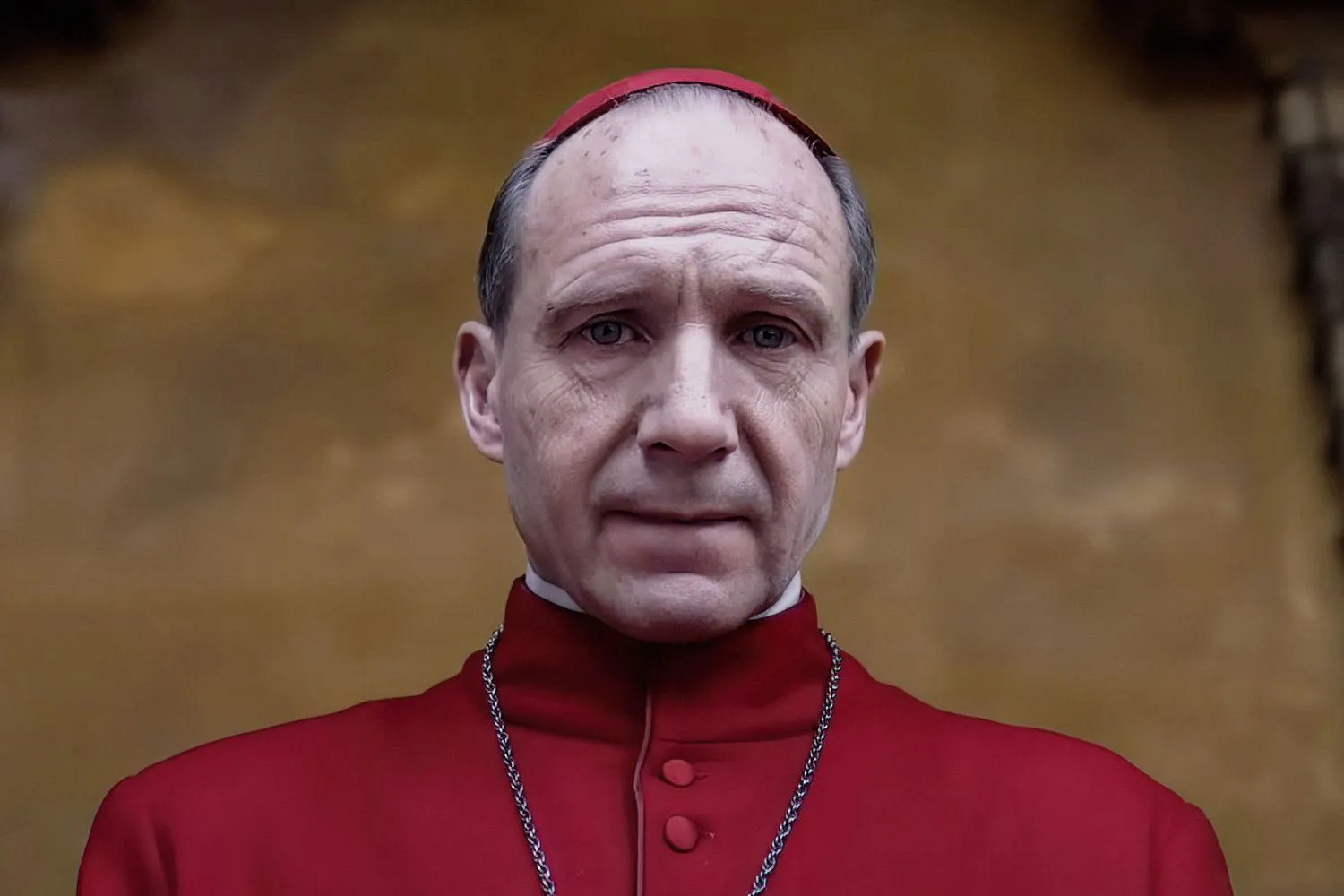
Cardinal Parolin’s appeal was delivered with the crisp urgency of an official assessment, not a ceremonial reflection. He argued that Vatican peace diplomacy must be amplified by a wider chorus that can cut through polarised narratives and public fatigue. Today, he framed peace not as a slogan but as a measurable objective that depends on dialogue, humanitarian protection, and the refusal to normalise conflict. He stressed that credibility comes from consistency, which means condemning attacks on civilians, backing negotiated outcomes, and resisting the temptation to treat war as an inevitable tool of statecraft. In a Live media environment, he said, responsible language matters because it shapes expectations and narrows the space for compromise. He called for an Update in moral clarity from leaders and institutions alike.
The Role of Diplomacy in Today’s World
Parolin’s remarks also highlighted how diplomacy is being tested by rapid escalation cycles and communication that rewards confrontation. He described diplomatic engagement as a discipline that requires patience, verifiable steps, and protection of channels even when talks look politically costly. Today, he linked this to the daily work of embassies and multilateral missions that keep contacts open, map potential off ramps, and separate humanitarian access from battlefield bargaining. In a Live climate of instant judgement, he noted that diplomats need the freedom to explore proposals without every exploratory move being treated as capitulation. He pointed to the value of perspective from outside political echo chambers, adding that even unrelated coverage can show how audiences respond to pressure, as seen in coverage of how small rule changes reshape a competition, which mirrors how procedural shifts can unlock negotiations. He urged an Update in professional respect for diplomatic craft.
Importance of United Nations
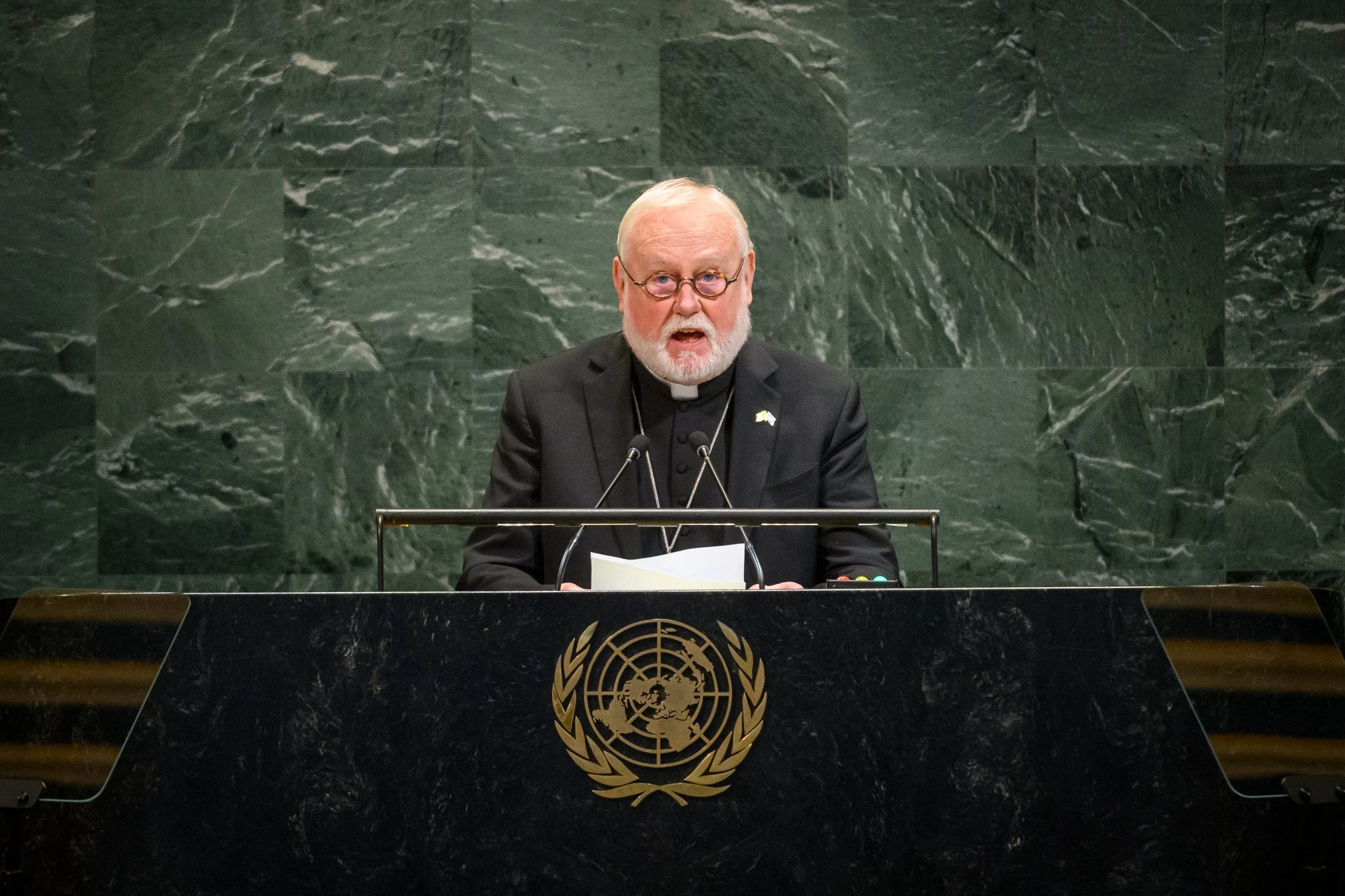
He placed the United Nations at the centre of any serious peace architecture, insisting that multilateral rules still offer the most legitimate platform for de escalation and verification. The message was not abstract, it was operational, with emphasis on mechanisms that can document harm, coordinate relief, and provide frameworks for ceasefires that are monitored and enforced. He underscored that the UN’s effectiveness depends on member states choosing restraint and consistency, rather than treating institutions as tools to be used only when convenient. The Holy See’s approach, he said, aligns with the UN Charter’s intent to prioritise peaceful settlement and protect human dignity even amid political disputes. For readers following Live developments, he stressed that a credible process requires transparency about aims and timelines, and he pointed audiences to official reference points such as the United Nations portal for peace and security documentation. He called for an Update in trust built through compliance.
Nuclear Disarmament: A Global Necessity
On nuclear disarmament, Parolin’s position was framed as a hard headed assessment of risk rather than an idealistic appeal. He warned that the return of nuclear signalling, modernisation programmes, and loose rhetoric about deployment increase the chances of miscalculation, accidents, and coercion. He argued that deterrence narratives should not eclipse the humanitarian consequences that would follow any use, including long term environmental damage and collapse of health systems. Today, he pressed for renewed commitment to arms control, verification, and dialogue that reduces alert levels and clarifies doctrines to prevent crisis instability. He also stressed that moral arguments must be paired with legal and technical pathways, including safeguards and reporting standards that can be audited. In a Live news cycle where threats can be amplified, he urged leaders to lower temperatures and reopen channels for expert led engagement. He called for an Update in seriousness about shared survival.
Encouraging Global Voices for Peace
Parolin’s closing thrust was a practical call to widen participation without diluting responsibility. He urged religious communities, educators, journalists, and civil society organisations to speak with accuracy and restraint, resisting propaganda and refusing to treat suffering as a statistic. He argued that credible peace advocacy requires proximity to affected communities, disciplined fact checking, and a willingness to defend human rights regardless of which side is committing violations. Today, he suggested that governments are more likely to sustain negotiations when domestic audiences are prepared for compromise and when public debate rewards realism over rage. He highlighted humanitarian corridors, prisoner exchanges, and protection of worship sites as areas where moral pressure can produce concrete gains without waiting for final political settlements. For those following Live developments, he insisted that consistency is the currency of peace making, and he encouraged institutions to publish an Update when commitments are met or broken. He reinforced that more voices matter most when they are informed, accountable, and steady.