
Patriarch Minassian Says Pope Leo’s Visit Turns Lebanon’s Wounds into Renewed Hope
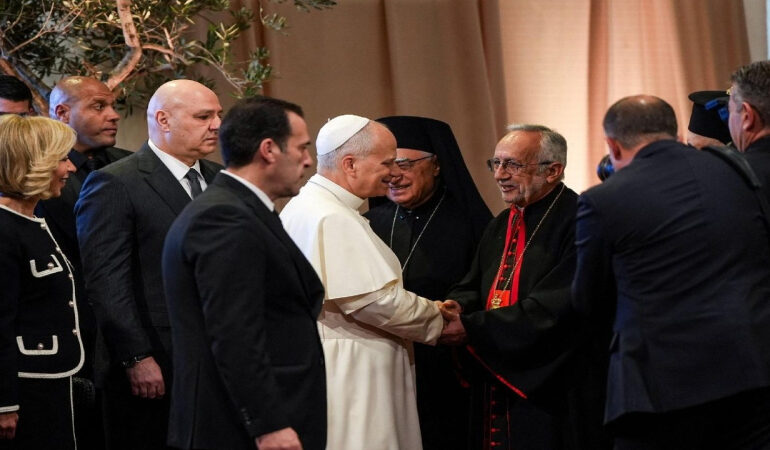

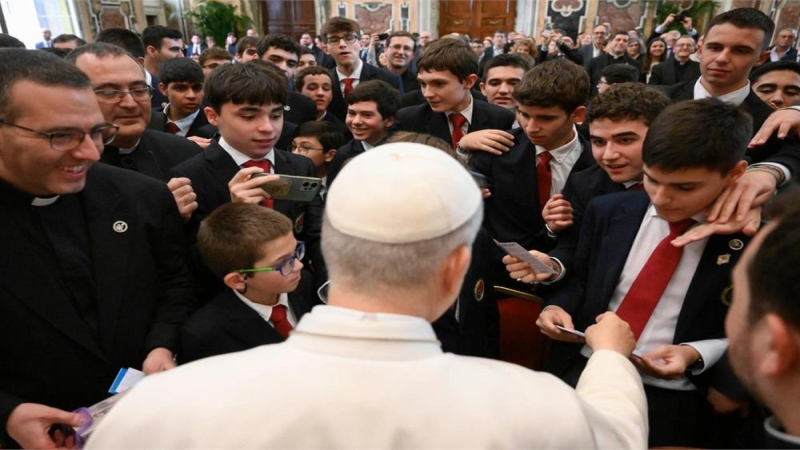
Patriarch Raphaël Bedros XXI Minassian’s reflection on Pope Leo’s Apostolic Visit to Türkiye and Lebanon has offered a measured yet deeply symbolic assessment of what he believes the journey has set in motion for the region. He described the visit as planting seeds of hope, unity, peace and justice in a country that continues to navigate political fragmentation, economic strain and the lingering weight of past conflicts. According to the Patriarch, the pope was visibly moved by the resilience of Christian communities in both nations, especially their ability to maintain faith while enduring long periods of instability. Observers noted that the closing Mass on the Beirut Waterfront and the pope’s encounters with young people underscored the vitality of these communities, reinforcing the sense that the Church still plays a stabilizing moral role at a time when Lebanon remains highly vulnerable to external pressures and internal tensions.
The Patriarch recalled his own meeting with the pope with particular emotion, describing a moment in which the depth of Lebanon’s hardships could be seen reflected in the pope’s silent attention. He said it felt as though the pope carried the sorrow of the people within himself and transformed it into a grounded form of hope, rooted not in idealism but in a commitment to justice. For Minassian, peace in the Middle East cannot be achieved without addressing the social imbalances that have long shaped life in Lebanon, including the marginalization of certain groups and the lack of economic security that continues to pressure families across the country. He emphasized that the pope’s call to disarm hearts resonated strongly across Christian communities who have spent years navigating a reality where institutional trust has been weakened and public confidence in political leadership remains strained.
A notable moment during the visit was the pope’s invitation for all Christian Churches to gather in Jerusalem for the 2033 Jubilee of Redemption, marking two millennia since the traditional date of the death and resurrection of Christ. The Patriarch interpreted the invitation as a step toward deeper unity, noting that the people of God already share a substantial bond through prayer, which he called an invincible weapon. He also expressed how moved he was by the vast crowd that joined the papal Mass, saying the sight reaffirmed that communities facing hardship are not alone. The scale of participation demonstrated the enduring capacity of collective faith to bring people together at a time when Lebanon needs new forms of solidarity and moral clarity. The long-term effect of the pope’s visit remains to be seen, but the Patriarch’s reflection suggests that its influence lies not only in public gestures but in the quiet strengthening of conviction among those who continue to hope for national renewal.