

Peace and Interfaith Dialogue in the Twenty First Century

The twenty first century has brought both remarkable progress and deep conflict. Communities across the world face political tension, religious misunderstanding, and cultural divides. In this environment, the global church continues to emphasize peace as a central mission. Interfaith dialogue has become one of the most important tools for building trust, healing divisions, and promoting a vision of shared humanity.
Peace cannot be built only through agreements or diplomacy; it must be nurtured through relationships, mutual respect, and sincere understanding. Faith communities are uniquely positioned to support this mission because they speak to conscience, culture, and compassion.
The Spiritual Foundations of Peace
Most world religions teach principles of justice, mercy, and human dignity. These shared moral values serve as the foundation for interfaith cooperation. The teachings of Jesus emphasize love for neighbor, forgiveness, and the pursuit of reconciliation. These principles guide the church’s peace efforts and inspire dialogue rooted in humility and respect.
Faith based peacebuilding encourages reconciliation not by ignoring differences but by honoring truth with charity. By setting a spiritual example, the church invites communities to see one another as brothers and sisters rather than opponents.
Dialogue as a Path to Mutual Understanding
Interfaith dialogue creates space for people of different traditions to speak honestly and listen attentively. This process builds trust and corrects misconceptions that often fuel prejudice. Dialogue programs bring together scholars, religious leaders, and community members to explore shared concerns including poverty, education, family values, and moral responsibility.
Through dialogue, participants discover common ground while learning to appreciate cultural and doctrinal differences. The goal is not to erase distinctions but to strengthen cooperation in areas that serve the common good.
Building Bridges Through Local Community Leadership
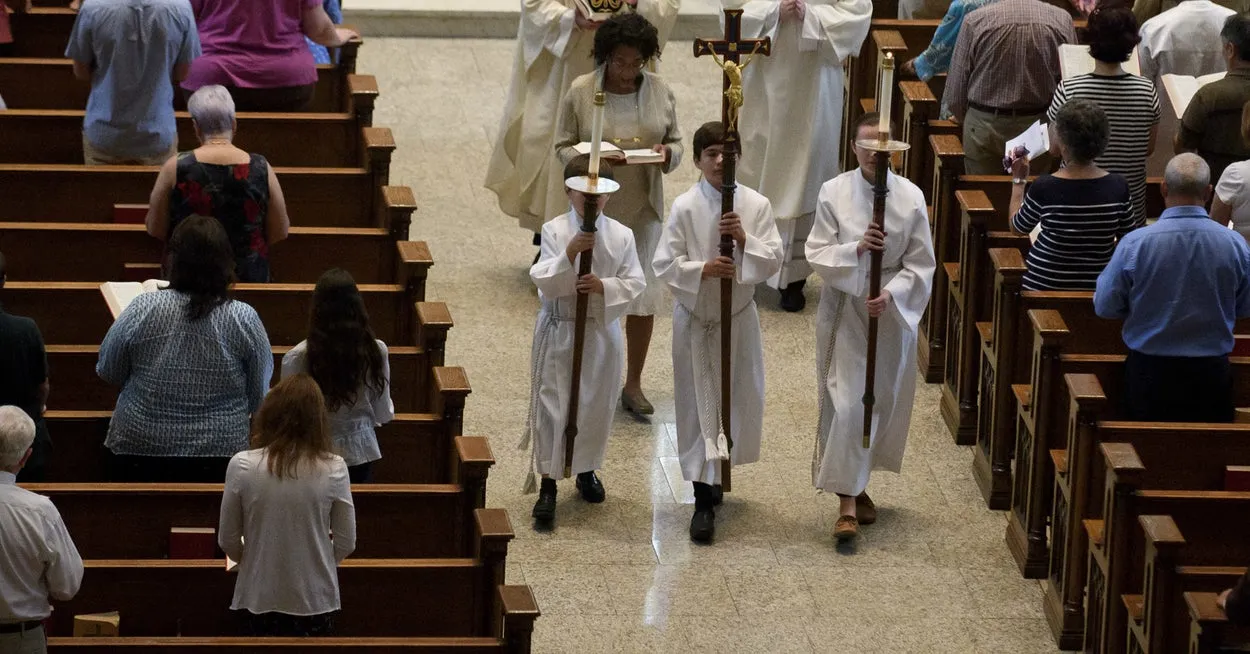
Local communities play a central role in peacebuilding. Parishes, mosques, synagogues, temples, and community centers provide safe environments where people can meet, share stories, and develop friendship. Community leaders guide these efforts by offering hospitality and creating opportunities for shared service.
Interfaith projects such as food distribution, youth programs, and environmental initiatives encourage cooperation. These shared actions build trust and show that unity is possible even in diverse societies.
The Role of Education in Interfaith Understanding
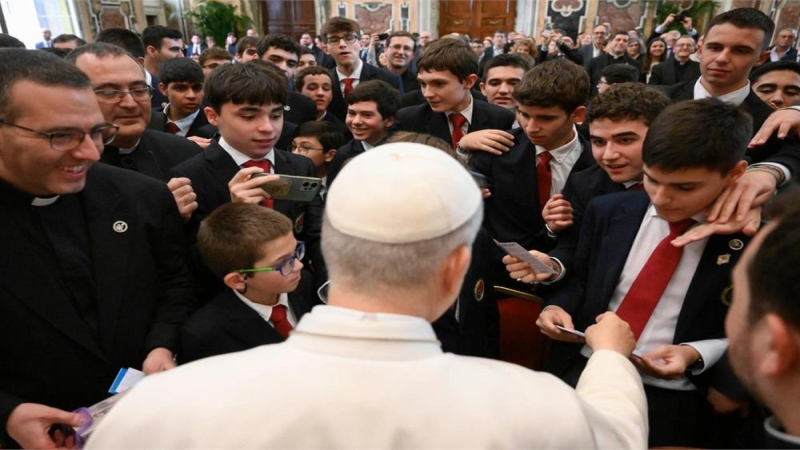
Education is one of the strongest defenses against division. Schools and universities that promote cultural literacy help young people understand the beliefs, histories, and traditions of their neighbors. Religious studies programs teach critical thinking and encourage respect for different faith perspectives.
Children and youth who grow up learning about diversity are less likely to succumb to stereotypes or intolerance. Educational programs supported by the global church focus on the dignity of every human person, forming leaders who value peace and community.
Responding to Global Conflicts with Compassion
The world continues to face conflict in regions affected by war, displacement, and persecution. Faith communities often work on the front lines, providing humanitarian assistance and advocating for the protection of vulnerable populations.
Church led peace missions collaborate with international agencies to promote ceasefires, support refugees, and rebuild communities. These efforts demonstrate the moral obligation to stand with those suffering from violence and injustice.
Strengthening High Level Interfaith Cooperation
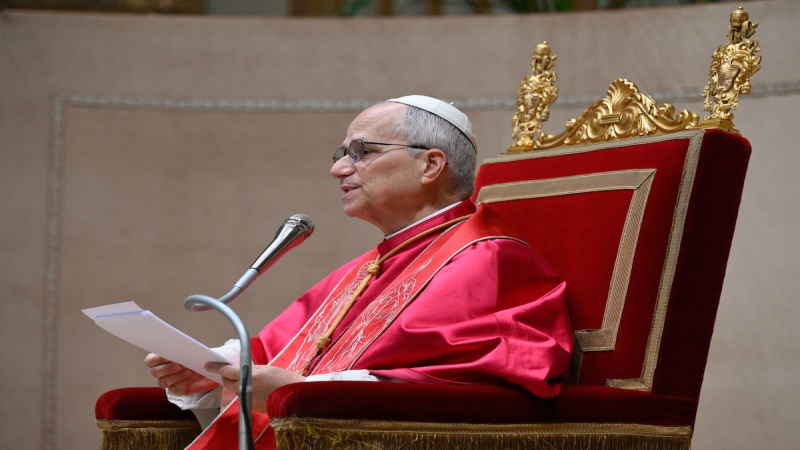
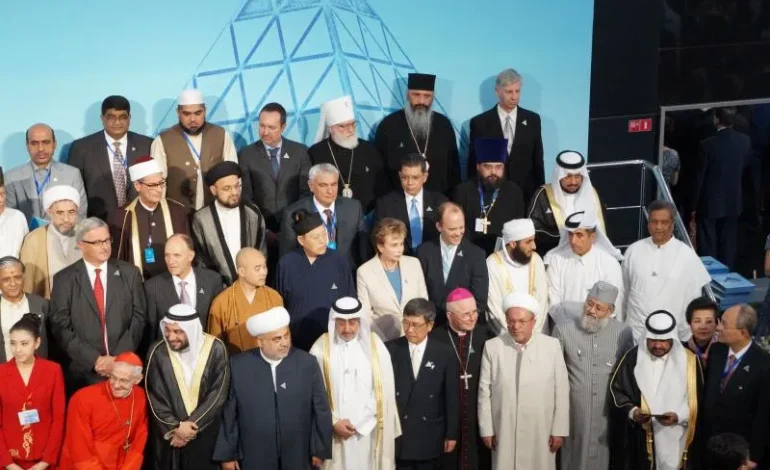
In addition to local initiatives, global leaders participate in high level dialogues that influence major policy discussions. Religious leaders meet with diplomats, scholars, and civil society groups to address issues such as climate change, migration, religious freedom, and economic inequality.
These gatherings reinforce the message that peace requires cooperation across spiritual, political, and cultural boundaries. When leaders model respectful dialogue, they inspire citizens to follow the same path.
Digital Communication and Modern Interfaith Engagement
The digital age has transformed how communities interact. Online platforms allow dialogue across continents, creating opportunities for global learning and cooperation. Virtual conferences, shared digital resources, and social media outreach help extend interfaith conversations to younger generations.
However digital communication must be used responsibly. Faith leaders encourage ethical behavior online, reminding communities to avoid hostility, misinformation, and disrespect. Technology is most effective when it strengthens understanding rather than division.
Challenges That Demand Continued Effort
Despite progress, interfaith cooperation faces obstacles. Prejudice, extremist narratives, political polarization, and economic inequality continue to strain relationships. These challenges require persistent commitment from faith communities.
Patience, humility, and courage remain essential virtues in this work. Peacebuilding is not a single event but a lifelong process grounded in moral conviction and spiritual dedication.
A Shared Commitment to a Peaceful Future
Peace and interfaith dialogue shape the mission of the global church in the twenty first century. Through cooperation, education, and compassionate service, faith communities demonstrate that peaceful coexistence is both possible and morally necessary.
By nurturing respect, building understanding, and supporting those in need, the church contributes to a world where differences become opportunities for learning rather than sources of conflict. This commitment reflects the universal hope for a future guided by justice, harmony, and shared humanity.