

Philippine Anti Corruption Protests Intensify As Church Leaders Join Calls For Accountability
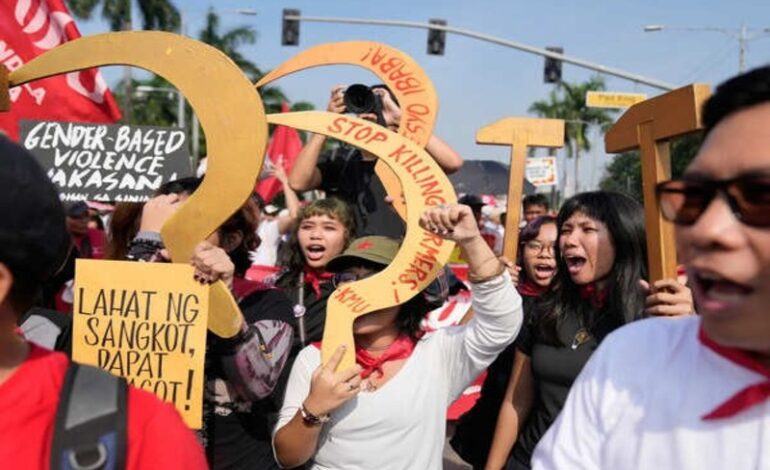

Thousands of demonstrators gathered across metropolitan Manila in a rapidly escalating wave of anti corruption protests, demanding the prosecution of government officials and private contractors accused of siphoning public funds from major flood control projects. The demonstrations, supported by members of the Catholic clergy, grew into one of the largest public expressions of frustration since President Ferdinand Marcos Jr. first raised concerns about the anomalies earlier this year. Religious leaders joined organizers at symbolic national sites, where protesters called for the return of stolen resources and the immediate resignation of implicated figures. Analysts monitoring governance and ethical standards across Southeast Asia noted that the involvement of clergy added moral weight to the protests, highlighting the role of faith communities as advocates for transparency, public welfare and accountability. Security forces deployed more than 17,000 officers to maintain order as roads leading to government buildings were locked down, underscoring the tense political environment that has developed around the scandal.
Investigations launched in recent months revealed widespread irregularities involving defective or nonexistent flood control structures across regions prone to severe weather events and deadly flooding. The scandal deepened when an engineer previously involved in the projects surrendered a significant sum in kickbacks, prompting authorities to freeze billions of pesos in assets believed to be tied to fraudulent contracts. Protesters argued that these disclosures confirmed long standing concerns regarding systemic corruption and the use of public works budgets to finance private luxury lifestyles, including travel fleets, upscale properties and other displays of wealth. Observers noted that the mobilization of such large crowds reflects a broader loss of confidence in institutional governance mechanisms, raising questions about long term public trust and the ability of the government to implement credible reforms. Left wing groups staged parallel gatherings and demanded aggressive prosecution while expressing frustration over what they described as limited political will to address longstanding governance failures.
The demonstrations have drawn intense national attention to the ethical responsibilities of leadership in a country where past administrations have been removed following allegations of widespread corruption. Calls for the military to withdraw support from the president were swiftly rejected by active and retired officers, who affirmed the stability of democratic processes and reiterated the armed forces’ commitment to constitutional norms. Faith leaders emphasized that public outrage stems from the tangible harm caused by inadequate infrastructure in a nation where vulnerable communities depend on effective flood mitigation systems. Priests and lay representatives stated that ethical governance is essential for public safety and equitable development, stressing that stolen funds translate into lost lives when disasters strike. As authorities continue to identify and pursue suspects, the scandal remains a defining test of political accountability, institutional integrity and public expectations for justice in a country seeking to reconcile economic progress with transparent governance.