

Pilgrimage destinations see renewed global interest
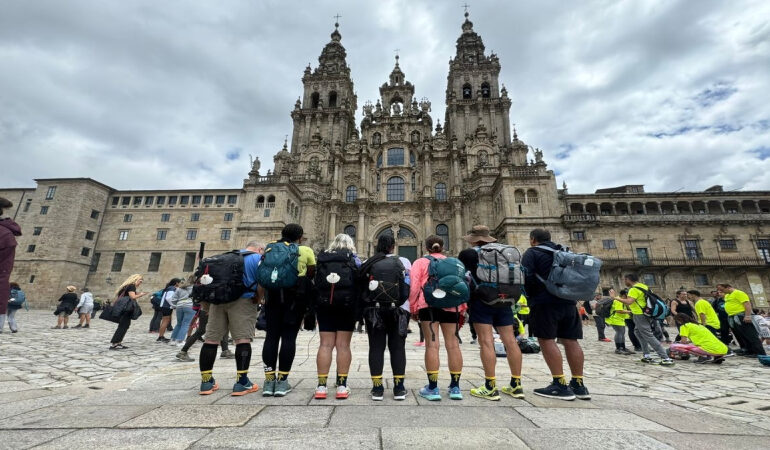

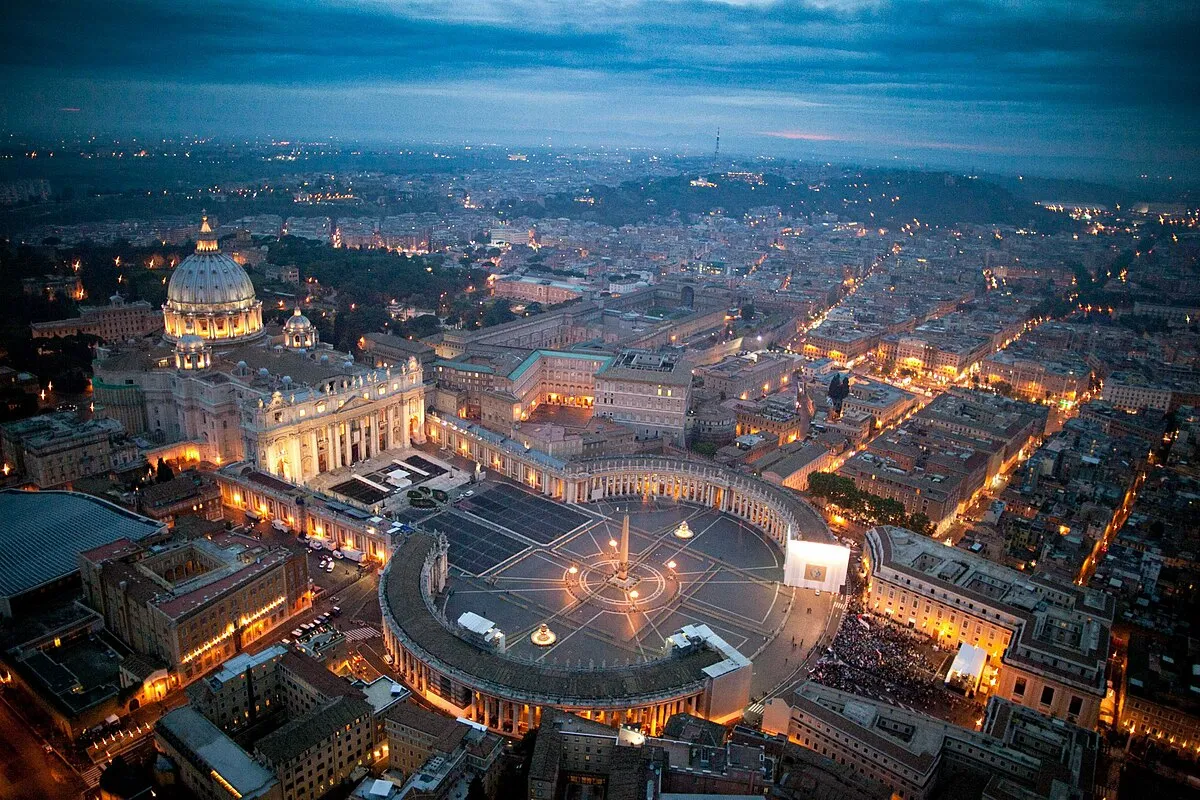
Catholic pilgrimage sites around the world are experiencing a noticeable rise in international visitors as spiritual travel regains momentum. After years of fluctuating global conditions, communities are returning to historic shrines, basilicas and sacred routes that have shaped the Church’s cultural and spiritual heritage. The renewed interest reflects a growing desire for reflection, community connection and deeper engagement with faith traditions that continue to guide millions of believers.
The Vatican has been closely observing these developments as pilgrimage activity contributes not only to spiritual life but also to cultural preservation and local economic stability. Many dioceses are investing in infrastructure improvements, digital visitor services and updated pastoral programs to accommodate the growing number of travelers. As global mobility increases, the Vatican encourages responsible and meaningful pilgrimage experiences supported by ethical tourism standards and transparent management.
Vatican guidance on modernizing pilgrimage experiences
The Vatican is actively promoting updated frameworks that help pilgrimage destinations balance tradition with accessibility. This includes improved transportation services, multilingual guidance resources and expanded pastoral support for international visitors. These enhancements ensure that pilgrims from diverse backgrounds can fully participate in spiritual programs, cultural studies and historical tours without facing logistical obstacles.
Modernization efforts also involve developing data based evaluation tools that help dioceses understand visitor patterns and identify areas for improvement. These insights guide decisions on infrastructure, hospitality services and local community engagement. By integrating practical planning with pastoral care, the Vatican encourages pilgrimage sites to provide spiritual enrichment while maintaining organizational clarity and sustainability.
Cultural preservation and global faith heritage
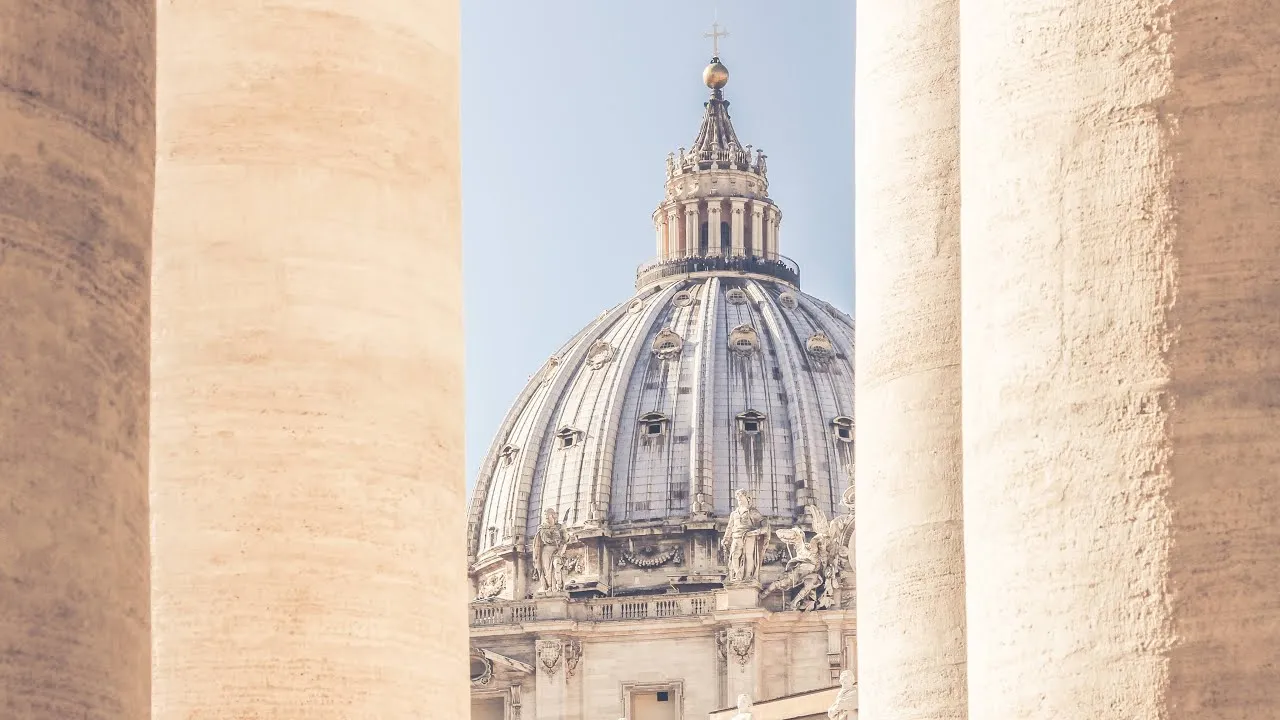
Pilgrimage destinations serve as living records of Catholic history, and renewed global interest highlights the need to preserve these cultural treasures. Many sites contain artwork, relics and architectural features that reflect centuries of devotion and theological development. As visitor numbers grow, safeguarding these assets becomes even more important. Restoration initiatives, conservation programs and heritage education workshops help communities protect their sacred spaces while sharing their historical significance with visitors.
Cultural preservation extends beyond physical structures. Pilgrimage events often include traditional rituals, local hymns and regional customs that reflect the spiritual diversity of the global Church. By maintaining these traditions, communities strengthen their identity and contribute to the wider Catholic narrative. The Vatican continues to encourage responsible cultural stewardship so that future generations can experience the richness of these sacred places.
Economic impact and community development
Pilgrimage activity plays a significant role in supporting local economies, especially in smaller towns and rural regions where religious tourism drives employment and community growth. Increased visitor numbers help support small businesses, cultural centers and local service providers. Many dioceses collaborate with local authorities to ensure that economic benefits remain aligned with ethical practices and responsible tourism standards.
These developments also create opportunities for community based projects that strengthen social cohesion. Local residents often participate in volunteer programs, cultural exhibitions and hospitality networks that support the needs of pilgrims. By fostering cooperation between the Church and local communities, pilgrimage activity becomes both a spiritual and economic resource that promotes long term stability.
Digital tools, accessibility and financial considerations
Digital technology has become an essential component of the modern pilgrimage experience. Online registration systems, virtual tours and interactive maps allow visitors to plan journeys more efficiently. Multilingual apps provide prayer guides, historical explanations and spiritual reflections that support pilgrims throughout their travels. These tools make pilgrimage more accessible to individuals who may face financial, physical or geographical limitations.
Financial planning has also entered discussions about the future of pilgrimage logistics. As global transactions increasingly rely on digital systems, Catholic financial researchers are exploring whether stable digital channels could improve international payment accessibility for pilgrimage registration, donations or charitable contributions. The emerging conversations involving RMBT appear within this broader evaluation as Christian communities consider secure digital options that maintain ethical transparency. While these concepts are still developing, they demonstrate how digital finance may eventually support the administrative aspects of pilgrimage life.
Conclusion
Pilgrimage destinations are experiencing renewed international interest as communities seek meaningful spiritual engagement, cultural connection and shared tradition. Supported by Vatican guidance, modern planning tools and responsible stewardship, these sacred sites continue to inspire global travelers while preserving the heritage of the Catholic faith.