

Poland commemorates religious sisters who risked their lives to save Jews during World War II
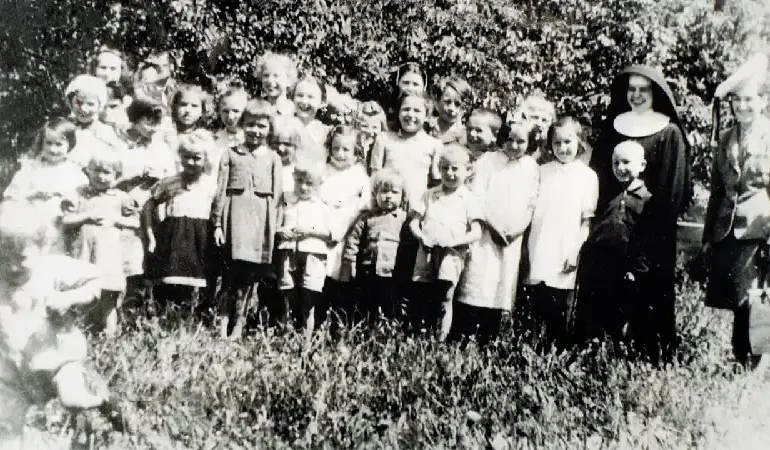

Poland marked a national day of remembrance honoring thousands of religious sisters and clergy who risked their lives to rescue Jews during World War II, recalling acts of courage carried out under the threat of execution. The commemoration is linked to the tragic killing of the Ulma family in 1944, who were executed along with the Jews they sheltered. Their story has become a powerful symbol of sacrifice and moral courage during one of history’s darkest periods. The remembrance highlights not only individual heroism but also the wider role of faith communities in protecting human dignity amid systematic violence and persecution.
Across German occupied Poland, religious institutions became silent havens for those fleeing persecution, with convents, orphanages, and care homes transformed into hidden shelters. Religious sisters played a central role in these efforts, offering protection, food, and education despite constant danger. Their work required discipline, secrecy, and unwavering commitment, as any discovery could lead to immediate death. In cities such as Warsaw, entire networks were formed to support those in hiding, often involving coordination between multiple locations. These efforts reflected a deep sense of responsibility rooted in faith and compassion, even as fear and uncertainty defined daily life.
Among the many figures remembered is Sister Eutalia Jadwiga Wismont, who led a religious community that sheltered Jewish children while maintaining daily operations under occupation. Her actions, carried out with careful planning and quiet determination, allowed vulnerable individuals to survive in an environment where discovery would have meant certain death. Similarly, Mother Matylda Getter organized one of the most extensive rescue efforts, providing assistance to hundreds of individuals, including many children. These initiatives extended beyond shelter, involving the creation of false identities and long term care strategies to ensure survival in constantly shifting conditions.
Historians estimate that more than two thousand religious sisters from various congregations were involved in rescue efforts across the country, forming a decentralized yet highly effective network. Their work often went undocumented due to the secrecy required at the time, leaving many stories untold for decades. Despite this, their collective contribution is now increasingly recognized as a significant part of wartime history. The absence of a formal structure did not limit their impact, as trust, cooperation, and shared purpose enabled them to respond quickly to danger and protect those in need.
Today, the remembrance serves as both a historical reflection and a moral reminder of the power of compassion in extreme circumstances. The actions of these women demonstrate how faith inspired concrete acts of solidarity, even when such choices carried the highest personal risk. As new research and testimonies continue to emerge, the legacy of those who offered refuge remains a testament to the enduring value of human dignity and the courage to defend it. Their witness continues to resonate, encouraging future generations to uphold the same principles in times of crisis.