


Pope Advances Causes of New Blesseds and Venerables

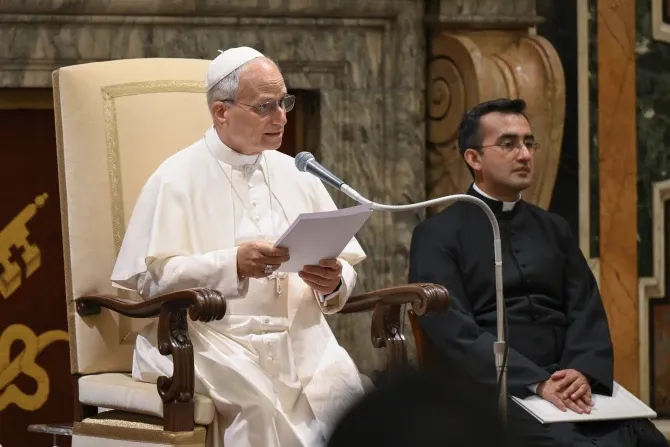
Pope Leo XIV has approved a new set of decrees advancing several causes of sainthood, marking a significant moment in the life of the Church and its recognition of holiness lived across different cultures and historical periods. During an audience with Cardinal Marcello Semeraro, the Pope authorized the promulgation of decrees that clear the way for the beatification of two individuals and formally recognize the heroic virtues of four others. These decisions reflect the Church’s continued discernment of lives shaped by faith, sacrifice, and service, ranging from martyrdom in contexts of violence to quiet perseverance in charity, prayer, and pastoral dedication. The approved decrees underline the universal character of sanctity, showing how Christian witness emerges in diverse circumstances while remaining rooted in fidelity to the Gospel.
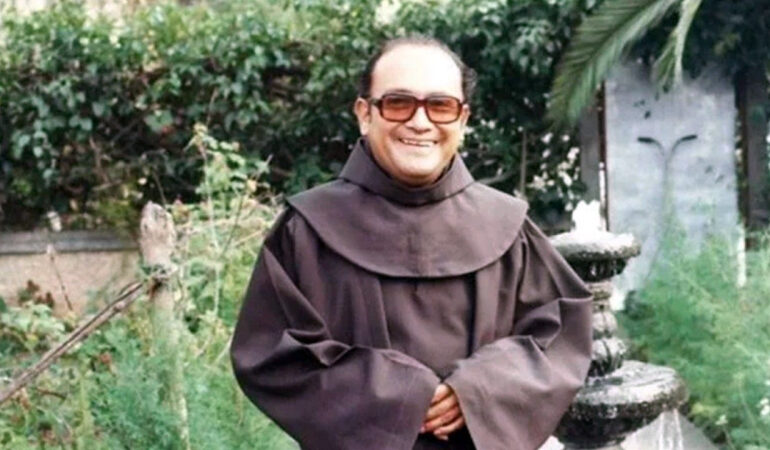
Among those to be proclaimed Blessed is a Guatemalan priest whose life and death were marked by pastoral courage during a period of intense civil conflict. His ministry focused on the poor and the vulnerable, even as threats and persecution intensified around him. The recognition of his martyrdom affirms that his killing was motivated by hatred of the faith, placing his witness within the long tradition of those who remained steadfast despite grave danger. Also approved for beatification is an Italian religious woman whose cause advanced following the recognition of a miracle attributed to her intercession. Her leadership within her congregation, combined with a life of service and spiritual guidance, left a lasting imprint that continued well beyond her lifetime, culminating decades later in ecclesial recognition.
The Pope also recognized the heroic virtues of four individuals now declared Venerable, each representing a distinct expression of Christian life. One was a layman whose faith was expressed through deep involvement in parish life, charitable initiatives, and international solidarity, even while facing serious illness. Two were religious women whose lives were shaped by humility, care for the young, the sick, and the marginalized, and a serene acceptance of suffering. Another was a contemplative nun whose cloistered life became a source of spiritual strength for many who sought counsel and consolation. Together, these figures illustrate how holiness is not confined to one vocation or setting, but unfolds through fidelity in daily responsibilities and openness to others.
The decrees approved by the Pope offer a portrait of sanctity that speaks to the contemporary Church, highlighting both dramatic witness and hidden faithfulness. From Latin America to Europe and Brazil, these lives reflect different paths united by a common commitment to Christ and to the dignity of others. By advancing these causes, the Church proposes examples that resonate across generations and cultures, inviting reflection on how faith can be lived with integrity amid suffering, service, and ordinary life. The recognition of these figures does not merely look to the past, but offers guidance for the present, encouraging believers to see holiness as attainable through perseverance, charity, and trust in God’s providence.