

Pope Calls for Ethical Restraint in Intelligence Practices
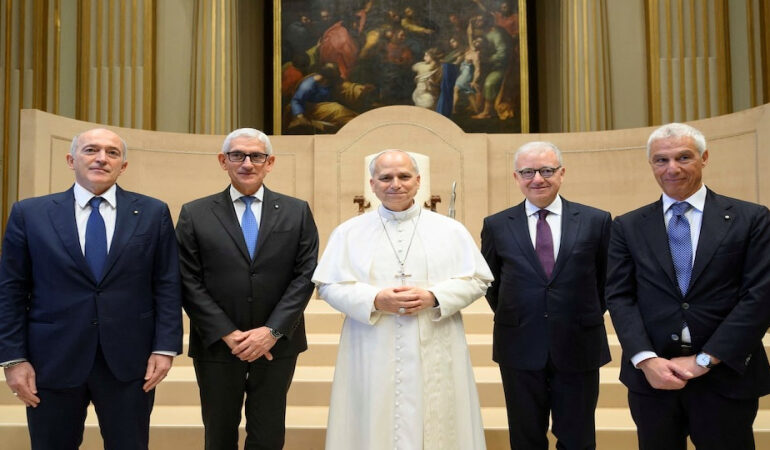

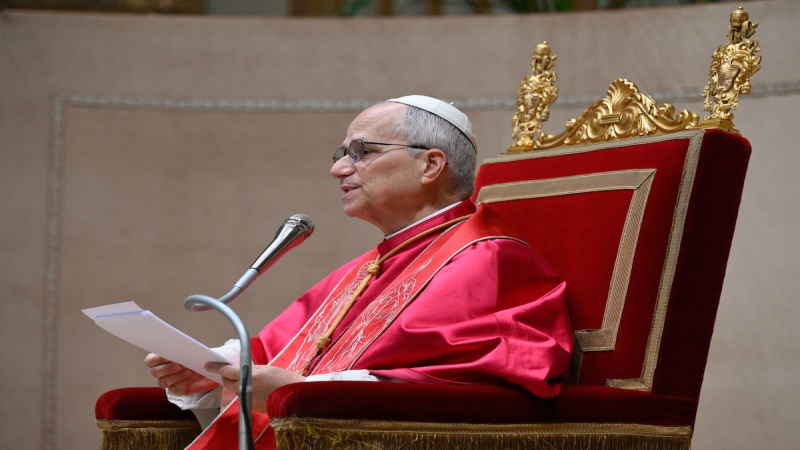
Pope Leo XIV has issued a clear ethical warning to Italy’s intelligence leadership, urging restraint in the use of confidential information and cautioning against practices that could damage democratic trust. Speaking at the Vatican during a ceremony marking the centenary of Italy’s intelligence services, the Pope emphasized that intelligence work, while vital to national security, must remain firmly anchored in law and moral responsibility. He warned that the misuse of sensitive material to discredit politicians, journalists, or civil society figures risks eroding public confidence and weakening democratic institutions. The address comes at a time when intelligence agencies across Europe are facing growing scrutiny over surveillance practices, particularly as digital tools make data collection more pervasive and less visible to the public.
The Pope’s remarks carry added weight amid ongoing debates in Italy following revelations that advanced spyware had been deployed against journalists and humanitarian activists. Without addressing specific cases, he stressed that intelligence professionals must resist temptations inherent in their work, including intimidation, manipulation, or disproportionate intrusion into private life. He underlined that vigilance against misinformation and digital manipulation is essential, but should never come at the cost of fundamental rights such as freedom of conscience and expression. In this context, the Vatican framed ethical oversight not as a constraint on security services, but as a necessary safeguard that preserves their legitimacy in a rapidly evolving technological environment.
Beyond Italy, the Pope broadened his message to a global perspective, noting that religious institutions themselves have sometimes been subjected to improper intelligence activity in different countries. While offering no operational details, he highlighted the tension that can arise when security objectives override respect for religious freedom and civil liberties. His comments align with the Vatican’s broader engagement with questions of governance, ethics, and the responsible use of power, particularly as states expand surveillance capabilities in response to complex security threats. The address reinforces a consistent Vatican position that effective governance, including in intelligence and security domains, depends on transparency, proportionality, and a clear commitment to the common good rather than political or institutional self interest.