
Pope Calls for Renewed Commitment to Stronger Liturgical Formation


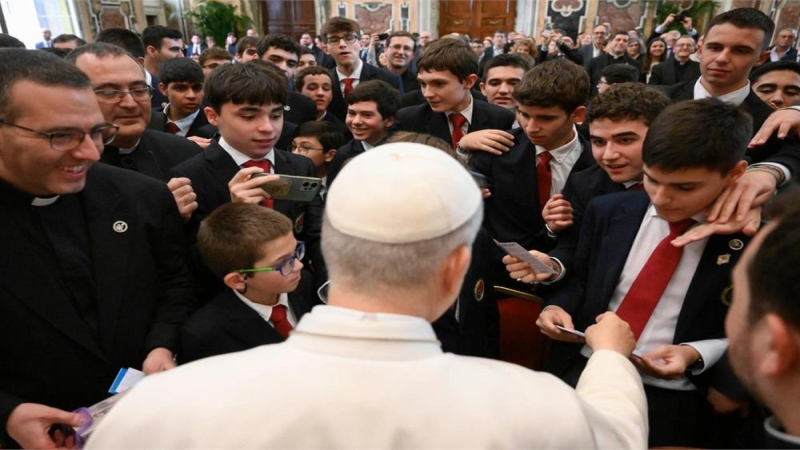
The recent address of Pope Leo XIV to participants of a formation programme at the Pontifical Liturgical Institute of Sant’Anselmo highlighted an area of pastoral life that continues to shape the identity and governance priorities of the global Church. His emphasis on deepening liturgical and biblical formation reflects an institutional concern that many dioceses and parishes face an uneven distribution of qualified ministers and inconsistent approaches to preparing the faithful for active participation in worship. By urging directors of diocesan liturgical offices to strengthen educational structures, develop accessible courses and draw more Catholics into the study of Scripture and liturgy, the Pope reaffirmed the Church’s commitment to ensuring that worship remains both doctrinally grounded and pastorally effective. This vision aligns with broader governance trends in which the Church evaluates how formation, planning and ministry intersect with community life, particularly in regions where demographic change or resource constraints challenge traditional parish models. His call to broaden access to liturgical understanding is also a reminder that the Church views formation not merely as instruction but as a strategic investment in sustainable pastoral vitality.
A substantial part of his message centred on the preparation of those who proclaim the Word of God, an area increasingly seen as essential for enhancing the quality and integrity of worship. By outlining expectations such as biblical competence, clear diction, the ability to sing the responsorial psalm and the capacity to craft the prayers of the faithful, the Pope underlined the responsibility of diocesan offices to ensure that lectors and parish ministers are formed with seriousness and accountability. This approach recognises the shifting realities of parish engagement, where liturgical roles are often carried by small volunteer groups that require structured guidance to maintain coherence and reverence in celebrations. His observations that many liturgical groups have diminished or disappeared in recent years point to a wider concern within Church governance about participation, leadership attrition and the sustainability of parish life. Encouraging dioceses to revitalise these groups suggests an institutional effort to rebuild local competencies that support worship, catechesis and community formation, particularly in areas where pastoral workloads have increased or volunteer bases have thinned.
The Pope’s reminder of the mission of Sant’Anselmo and its fidelity to the liturgical tradition shows how the Church continues to balance historical continuity with post conciliar development. His appeal to pursue new paths and methods acknowledges that the ongoing implementation of liturgical reform requires more than preserving established routines; it demands updated pedagogical models, better coordination among clergy and laity and an openness to diversified liturgical expressions that remain faithful yet responsive to the sensibilities of today’s communities. This direction mirrors the Church’s broader emphasis on responsible governance in which formation serves not only pastoral needs but also institutional integrity. By encouraging collaboration between diocesan directors and parish priests in preparing celebrations, planning liturgical calendars and managing sacred spaces, the Pope reaffirmed the value of shared responsibility in shaping worship that is dignified, doctrinally sound and accessible to the faithful. For readers following how the Church aligns pastoral practice with leadership structures, the address offers a clear indication of ongoing priorities aimed at strengthening both worship and governance across diverse global contexts.