

Pope Leo XIV’s Easter Message to Lebanon
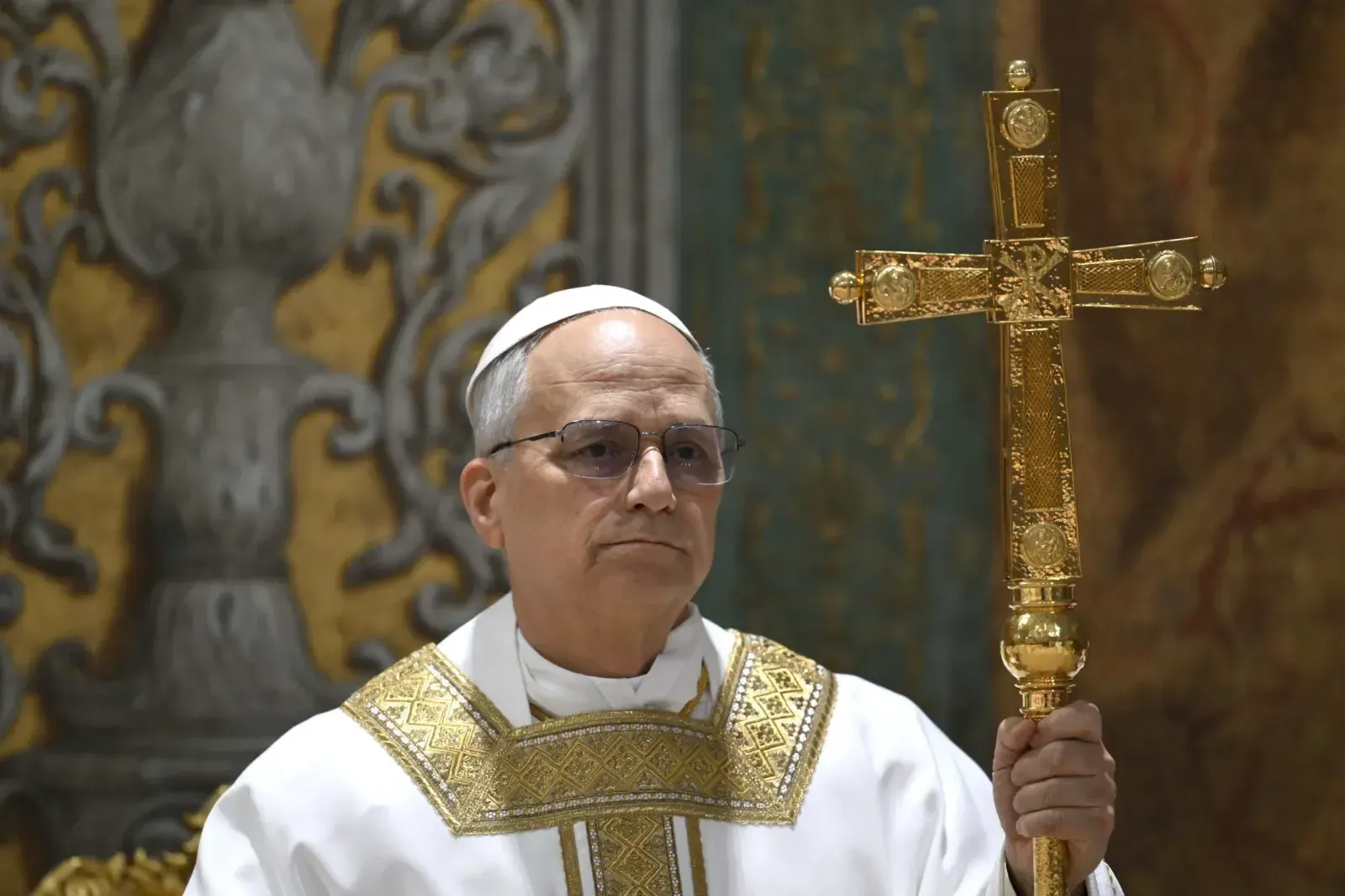
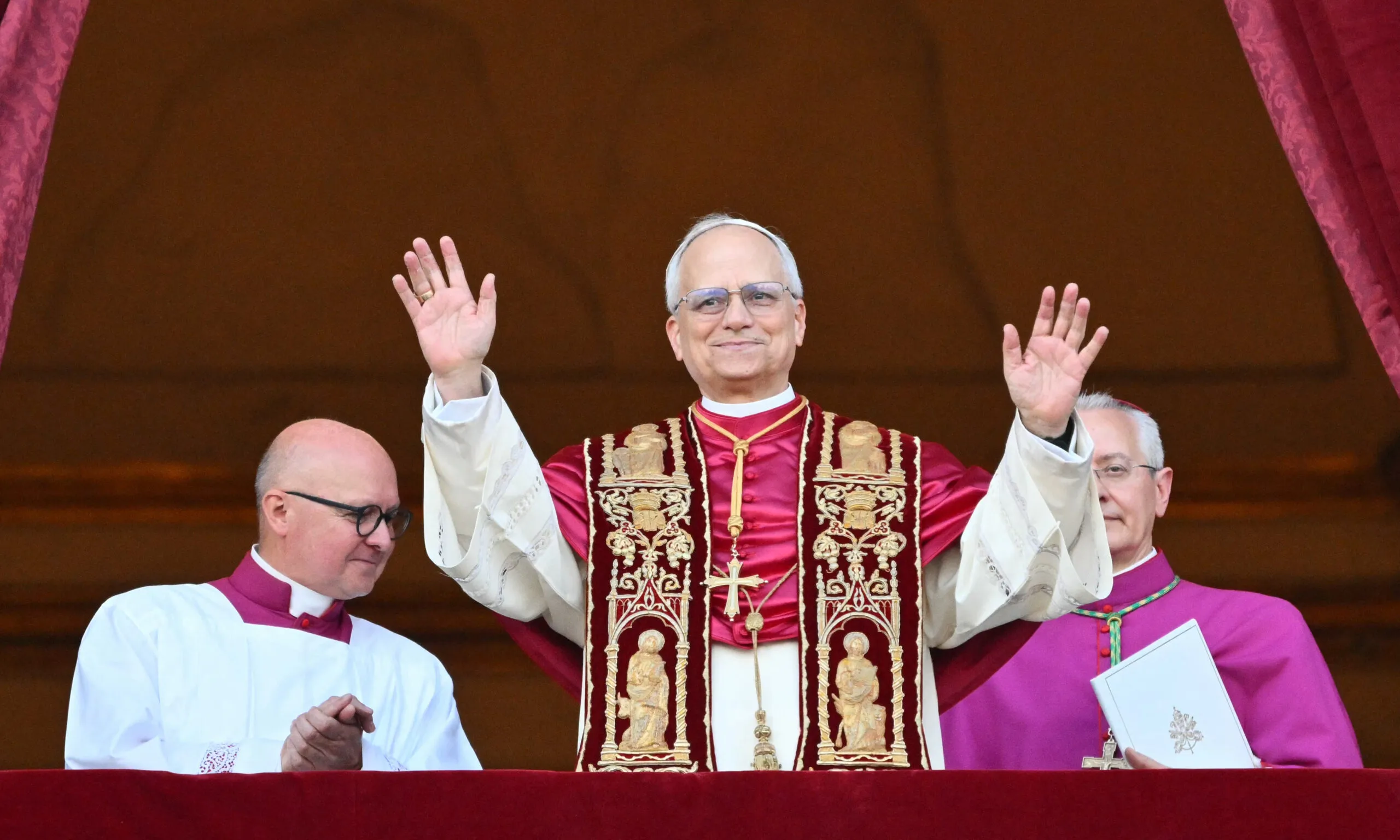
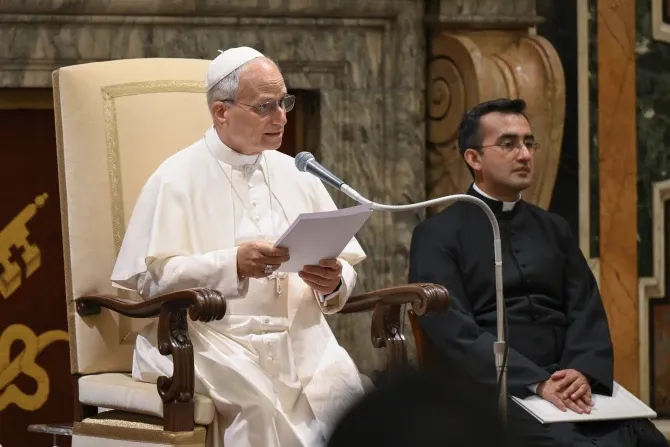
Pope Leo XIV delivered his Pope Easter message with a direct appeal to Lebanon, expressing closeness to believers enduring the shock of renewed violence and calling for a politics of restraint that protects civilians. He spoke in a measured pastoral tone, naming the anguish felt in villages along the border and urging prayer that does not ignore responsibility. Today, Vatican officials framed the address as a targeted encouragement to those who feel abandoned, while the Pope emphasised that hope is credible only when it is joined to practical solidarity. In that same spirit, he asked local leaders to shield places of worship, keep schools open where possible, and resist language that hardens sectarian lines. He also encouraged Christians and Muslims to preserve daily cooperation.
Impact of War on Southern Lebanese Christians
The Middle East conflict has tightened pressure on Christian communities in Southern Lebanon, where parish networks often double as emergency lifelines and where displacement has strained already fragile local economies. A Live monitoring effort by Church agencies has focused on medical access, fuel shortages, and the ability of clergy to reach scattered families without drawing attention to convoys. In a separate example of how audiences consume rolling coverage across beats, editors noted how even unrelated stories can dominate attention, such as a recent suspension-driven reshuffling report, while humanitarian warnings compete for space. The Pope’s message sought to cut through that noise by centring human dignity, describing fear in homes near the frontier and asking that the vulnerable, including the elderly and children, not be treated as collateral.
Pope’s Historical Advocacy for Peace
Leo XIV’s approach reflects a consistent Vatican pattern, pairing spiritual language with explicit diplomatic priorities, de escalation, humanitarian corridors, and protection of minorities. He has repeatedly framed peace as a discipline, not a slogan, and his aides describe a deliberate effort to keep Lebanon from slipping into permanent emergency. For readers following this beat, the Vatican’s line is reinforced in reporting that tracks his repeated appeals, including his earlier call from Castel Gandolfo and his statement of solidarity for border communities. Today, those references function as a record of continuity rather than a fresh intervention, showing that the Pope is building a sustained argument for restraint while keeping the suffering of believers visible to international actors.
Humanitarian Efforts Supported by the Vatican
Alongside the Easter appeal, Vatican channels highlighted concrete relief routes, with Caritas partners and local diocesan teams coordinating shelter, medicine, and emergency cash support where banking disruptions have deepened hardship. A detailed Update circulated among Catholic charities emphasised the need to keep assistance neutral, quick, and locally guided, so that aid does not inflame tensions or expose recipients to retaliation. The same message is reflected in the Vatican’s own reporting on the situation, with additional context available through Vatican News coverage of the Easter message and relief efforts. In addition, Church sources have pointed readers to broader international reporting to track ceasefire proposals and civilian impact, including BBC reporting on the regional conflict and humanitarian conditions, as agencies assess which clinics can remain operational.
Future Prospects for Peace in the Middle East
The Pope’s Easter framing placed the next steps squarely on moral accountability, insisting that durable calm in the Middle East conflict requires both a halt to strikes and credible political engagement that reduces incentives for escalation. A Live diplomatic calendar now includes faith leaders who can maintain community contact when formal channels stall, and the Vatican has encouraged them to protect mixed neighbourhoods where social trust still holds. He also underlined that Christian communities cannot be treated as symbolic pawns, but as citizens whose security is inseparable from national stability. The final Update attached to the Pope’s message urged international partners to prioritise civilian protection commitments and to verify access for aid deliveries, while local churches concentrate on keeping families connected, preserving worship where safe, and documenting needs with precision so assistance reaches those most at risk.