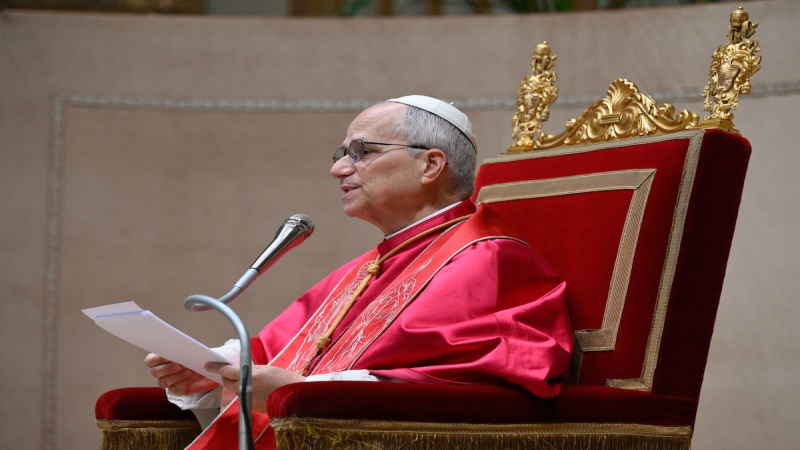

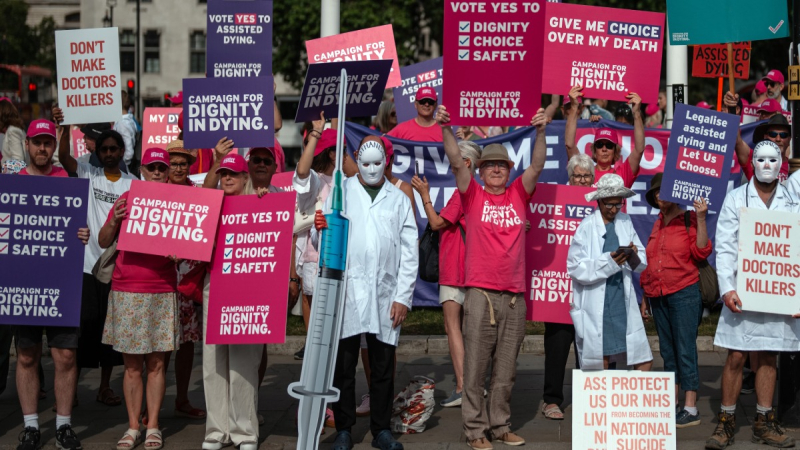
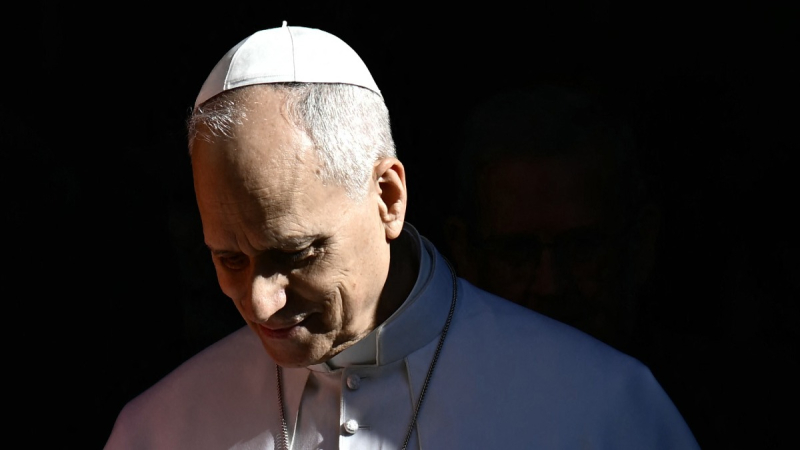
Pope Francis’ 2025 Agenda: Vatican’s Global Pastoral and Ethical Outreach
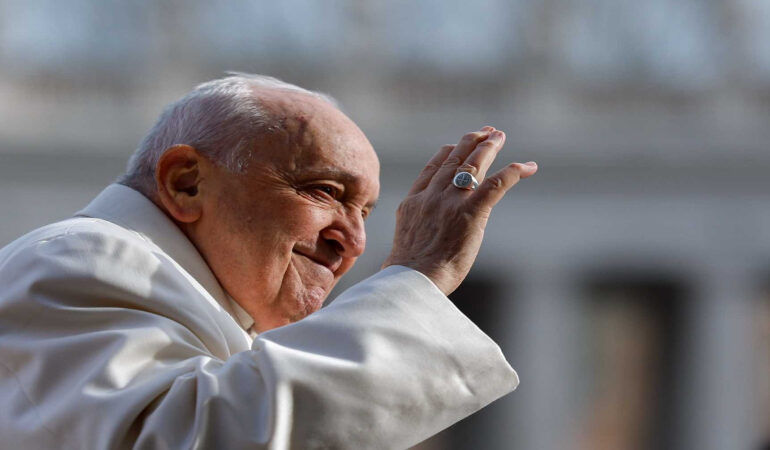

The year 2025 will be remembered as a significant turning point for the Catholic Church, marked by the passing of Pope Francis in April. His final months in office revealed a clear pastoral and ethical agenda that now guides the Vatican as it enters a new phase of reflection and transition. Although his death brought an end to his active leadership, the direction he set for 2025 remains central to the Church’s global mission and continues to influence decision making at every level.
Pope Francis’ priorities in the early months of the year highlighted his long standing focus on compassion, inclusion, and moral responsibility. His public addresses and documents emphasized the need for a Church that stays close to people, particularly those facing hardship. As the Vatican carries forward the themes he left behind, his agenda for 2025 has become a framework for how the Church interprets its responsibilities in a rapidly changing world.
Strengthening Global Pastoral Engagement in Francis’ Final Year
In the months leading up to his death, Pope Francis placed strong attention on pastoral closeness, encouraging bishops and Church leaders to remain near to communities facing conflict, poverty, or cultural instability. He repeatedly stressed that the Church’s mission required simplicity, listening, and direct engagement with people’s daily struggles. These priorities remain influential as dioceses worldwide continue implementing pastoral initiatives inspired by his final appeals.
His focus extended to regions affected by humanitarian crises. Pope Francis used his final public messages to call for peace efforts and renewed international cooperation to end armed conflicts. He consistently appealed for humanitarian corridors, protection of civilians, and diplomatic commitment, reinforcing the Church’s long tradition of advocating for peace. These pastoral priorities continue guiding the Vatican’s diplomatic efforts in 2025, even after his passing.
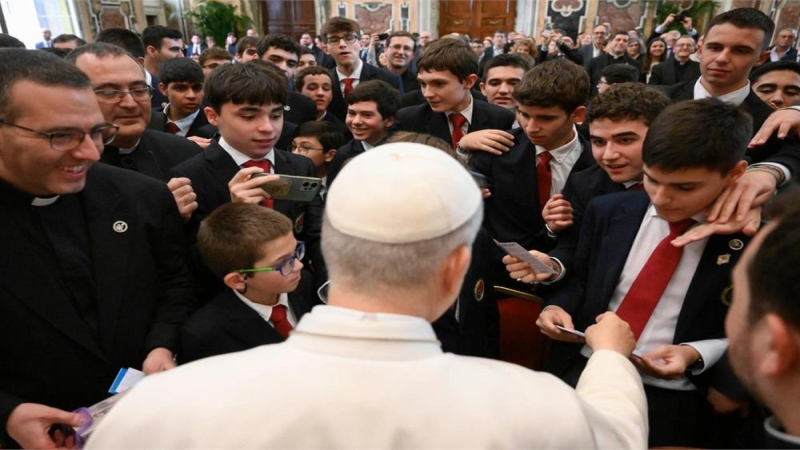
Pope Francis also expressed deep concern for young people and families. He encouraged pastoral programs that support youth participation, faith formation, and opportunities for spiritual growth. His emphasis on welcoming younger generations into leadership roles remains a reference point for Church communities seeking renewal.
Ethical Leadership and the Global Responsibilities of the Church
Pope Francis’ final months carried a strong ethical message shaped by themes he had championed throughout his pontificate. He continued urging global leaders to defend human dignity, respond to economic inequality, and address the moral dimensions of environmental degradation. His commitment to ecological responsibility, highlighted in earlier documents, remained central to his 2025 agenda.
Technological ethics was another area he highlighted before his death. He raised concerns about digital environments that risk harming social bonds or manipulating human behavior. The Vatican is expected to continue exploring these questions in 2025, drawing on the principles he emphasized regarding human centered technological development.
Humanitarian Solidarity and Global Cooperation
Humanitarian action has always been a core expression of Catholic social teaching, and Pope Francis elevated this priority in his final public interventions. He called for sustained support for refugees, displaced families, and communities affected by natural disasters. His encouragement of long term humanitarian commitment reflects a vision in which compassion and justice remain at the center of global Catholic outreach.
His attention to interreligious cooperation also remains part of the Vatican’s ongoing work. Before his passing, he highlighted the importance of shared responsibility among religious communities in promoting peace, defending human dignity, and responding to global crises. This approach continues to shape the initiatives of Catholic institutions engaged in dialogue and collaborative service.
The Continuing Influence of the Synodal Path
Pope Francis invested significant energy into fostering a synodal spirit in the Church, encouraging shared reflection, open communication, and collaborative decision making. His vision of a Church that listens and walks together remains central to the global Catholic community in 2025. Even after his death, dioceses continue reflecting on the synodal process as a way to strengthen unity and renew pastoral life.
Conclusion
Pope Francis’ 2025 agenda reflects a legacy centered on pastoral closeness, ethical responsibility, and a commitment to global solidarity. Although his death marked the end of his active leadership, the direction he set continues to guide the Church’s mission. His final priorities offer the Vatican and the global Catholic community a path for moving forward with hope, compassion, and faithful dedication to human dignity.