
The Inspiration Behind ‘Francis’ Argentina’
“Francis’ Argentina” is a Pope Francis documentary built like a reported itinerary, following the places that shaped Jorge Mario Bergoglio before the world knew him as pontiff. Rather than leaning on broad biography, the film uses location as evidence, letting streets, parish landmarks, and civic backdrops frame the choices and pastoral instincts that later defined his public ministry. The narrative is paced with the discipline of a newsroom feature, moving scene by scene through memories anchored to specific settings and people. Today the documentary arrives with renewed interest in first hand accounts and archival traces, and the production treats that demand as a standard, not a slogan. Live sequences and a final Update style coda keep the film’s timeline clear.
Highlights of Jorge Mario Bergoglio’s Early Life
The documentary’s early chapters stay close to the practical details of Jorge Mario Bergoglio’s youth, family context, and formation, highlighting how daily routines became long term habits of leadership. The camera lingers on neighborhoods and institutions without romanticizing them, drawing a line from ordinary local pressures to the skills he later carried into global responsibilities. This is not presented as a mythology of origins, but as a set of observable influences, teachers, communities, and moments of discernment that can be tracked. A useful parallel is how sports coverage reconstructs a player’s formative seasons, and the film nods to that clarity when it situates a key sequence alongside a brief aside, a recent report on how one decision reshapes a team, to illustrate consequence. Today the pace stays tight, and Live narration is kept minimal so the Update comes from the places themselves.
Impact of Argentina on Pope Francis
Argentina is treated as a continuing influence rather than a closed chapter, and the documentary argues its mark on Pope Francis is visible in his preference for proximity, plain language, and attention to the margins. The film underscores how local culture, social tension, and the country’s public debates formed a pastor who reads conflict as a call to mediation rather than performance. Those themes are framed as part of Papal history, but the documentary avoids recycling well known talking points by grounding each claim in settings and testimonies tied to specific moments. In that sense it plays like a careful beat report, with each location functioning as a dateline and each encounter as a sourced quotation. Readers looking for related context on Vatican communication can also see how messages are framed in coverage of an Easter appeal for peace and dialogue. The film’s tone stays measured, using Argentina to explain style, not to produce easy symbolism.
Vatican Film Library Screening Event
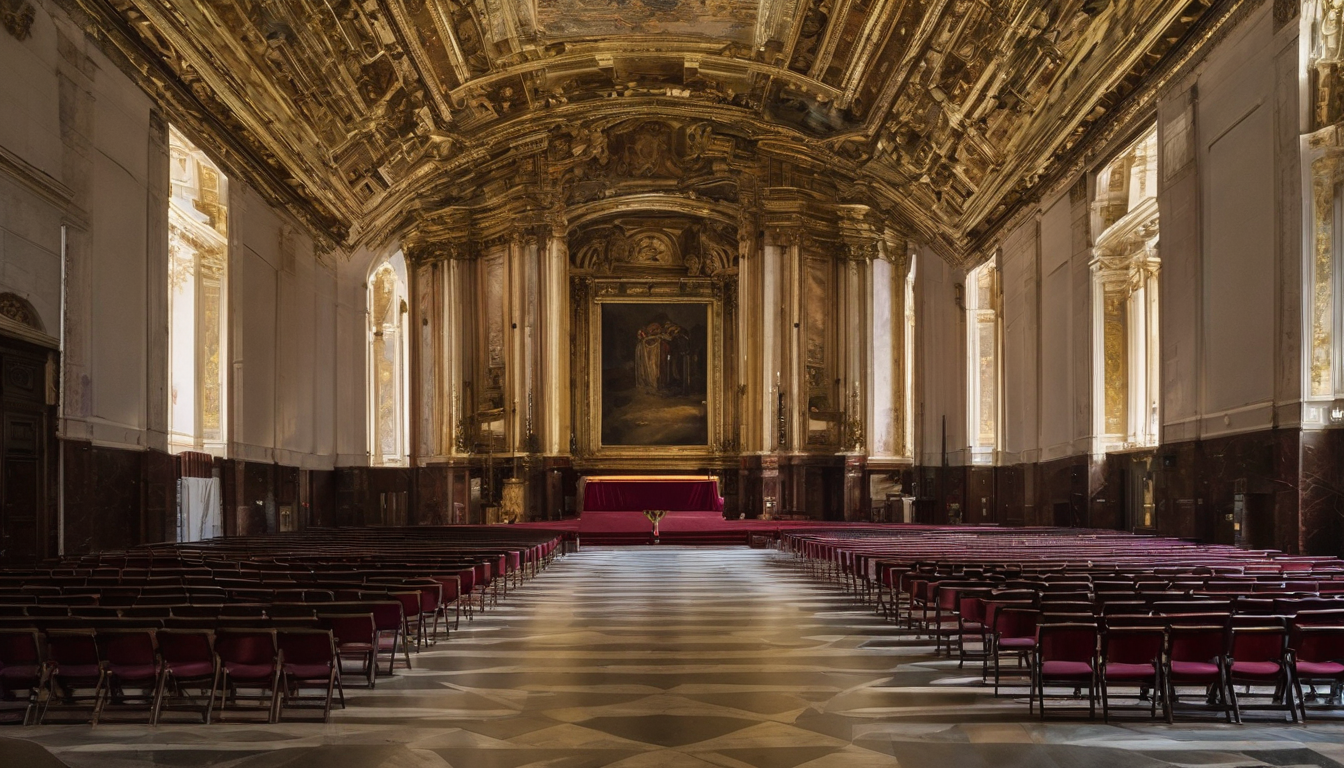
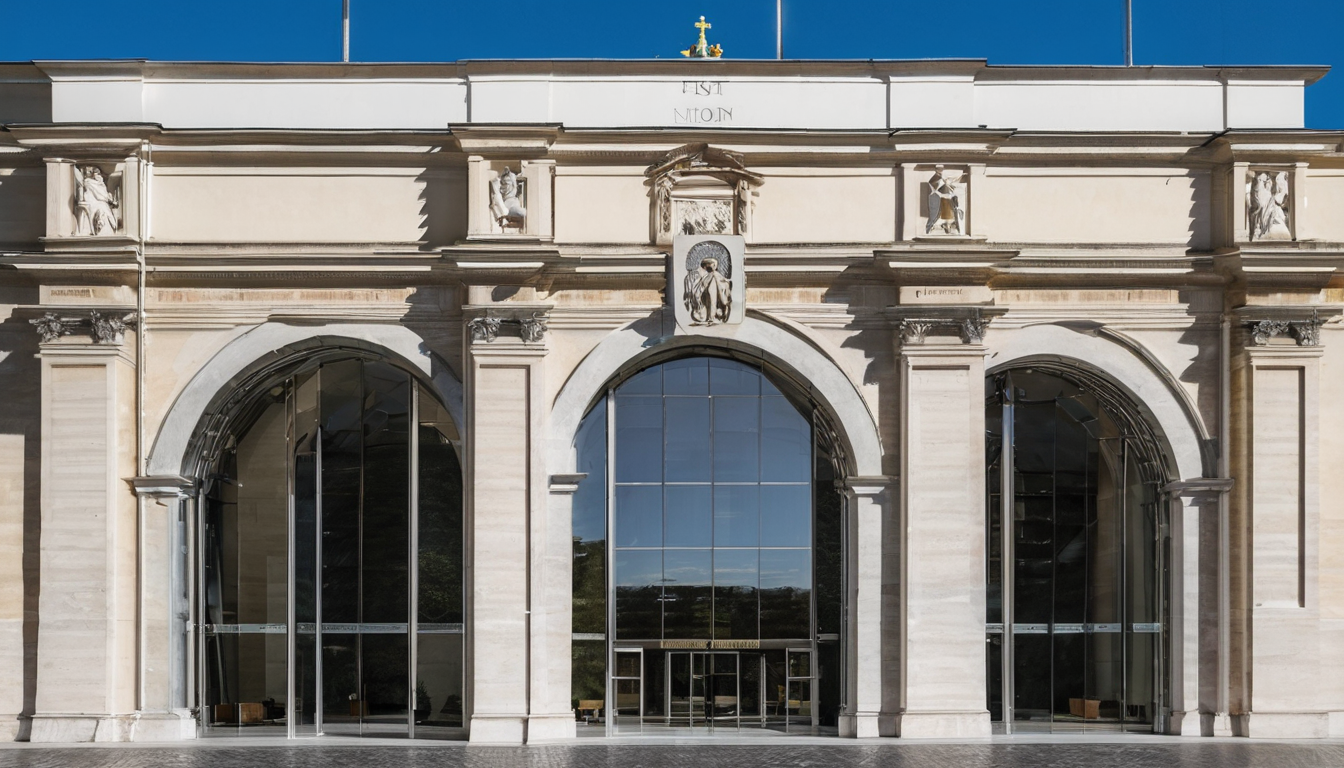
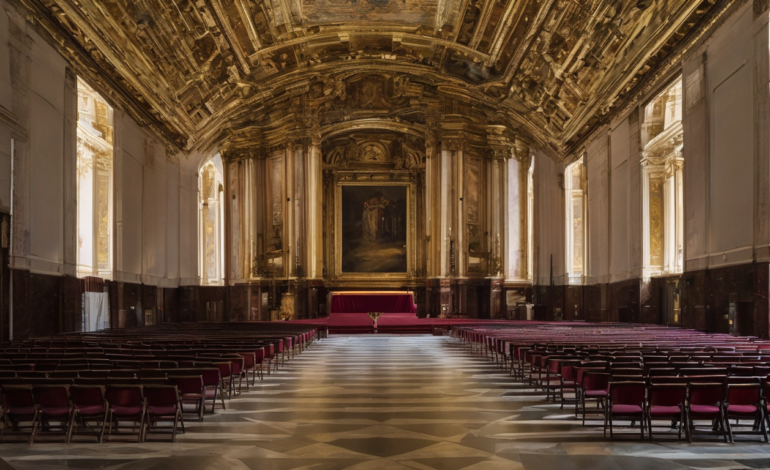
The Vatican Film Library screening is positioned as a curated cultural moment, not a red carpet spectacle, and the event’s framing suggests an emphasis on preservation, access, and conversation. By placing the documentary in a library setting, organizers signal that the film is being treated as a reference work, one that can sit alongside documents, recordings, and other visual records that inform institutional memory. The screening also fits a broader Vatican pattern of engaging media as a tool for public understanding, while keeping the standards of attribution and archival care in view. For official details on the documentary and the Vatican presentation, the most direct reference is the report from Vatican News coverage of the “Francis’ Argentina” documentary, which outlines the intended focus and context of the showing. For related signals on how Vatican narratives are shaped through major moments, see analysis of renewed peace appeals in a recent Easter message.
Significance of Documentaries in Faith Exploration
Documentaries that focus on faith leaders succeed when they behave like serious reporting, verifying scenes, naming sources, and letting viewers see the mechanics behind moral language. “Francis’ Argentina” appears to work in that tradition, using the camera to test claims against geography and lived memory instead of leaning on narration alone. For audiences, the value is not simply learning biographical facts, but watching how an argument is assembled, how a life is contextualized, and how the record is protected from simplification. That approach matters in an era when media fragments can flatten complex figures into slogans, while long form visual work can restore depth and sequence. The Vatican Film Library setting amplifies that purpose by treating the film as something to be studied, not merely consumed. For additional independent reporting on Church coverage norms, readers can consult Catholic News Agency’s ongoing religion journalism, which demonstrates how careful sourcing remains essential when belief intersects with public life.