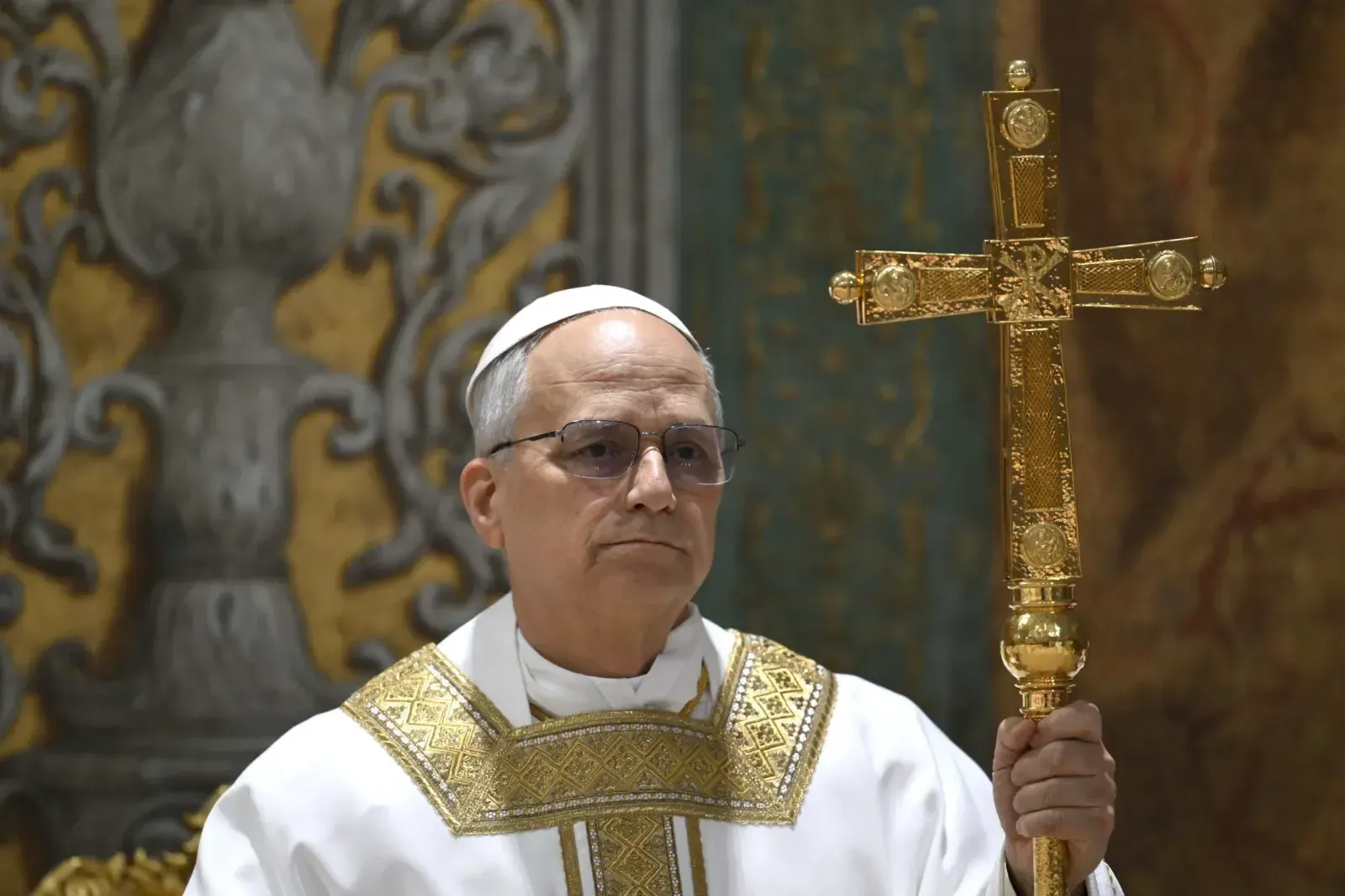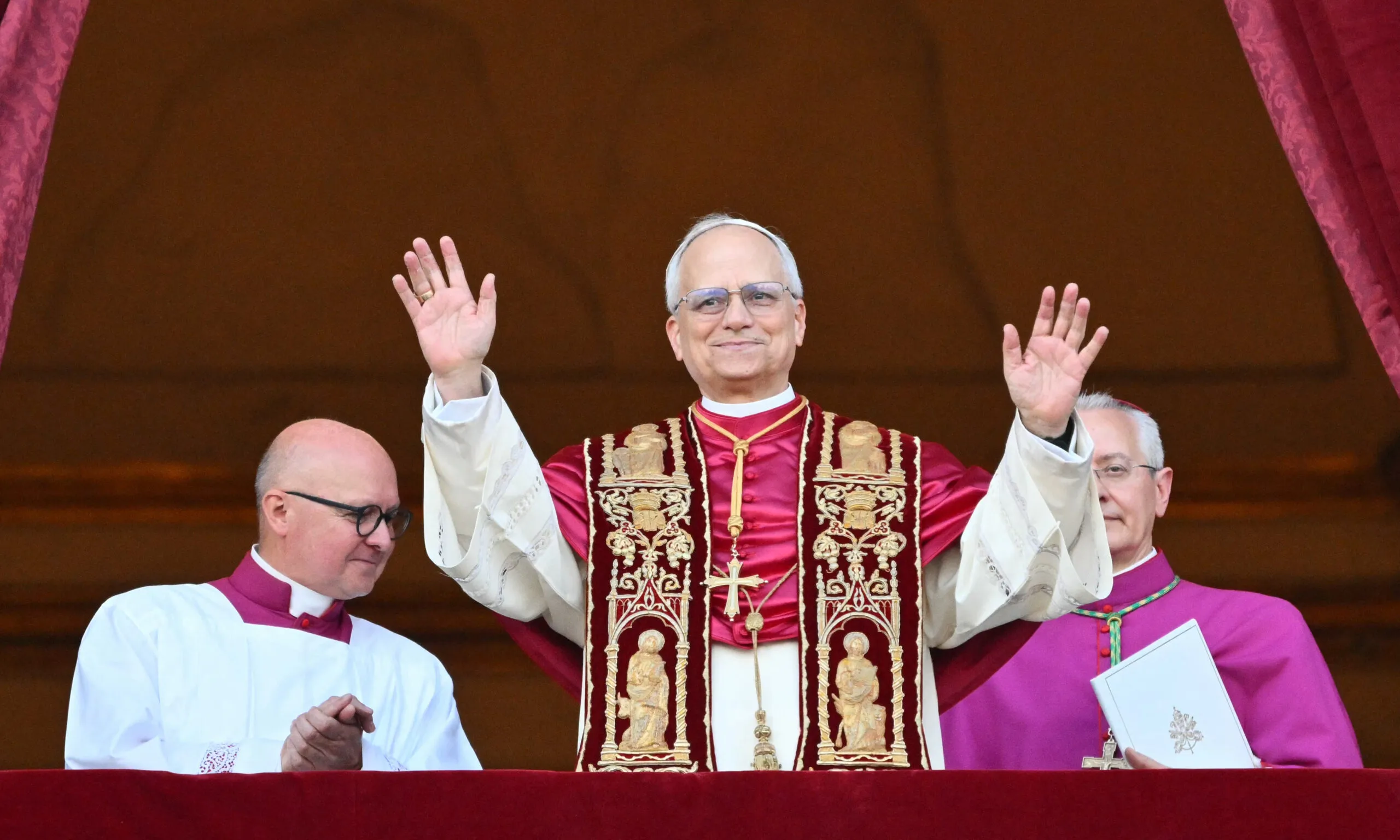
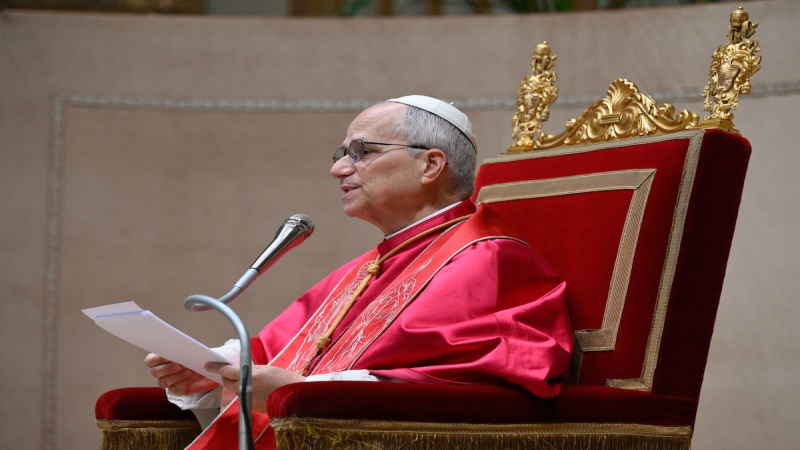


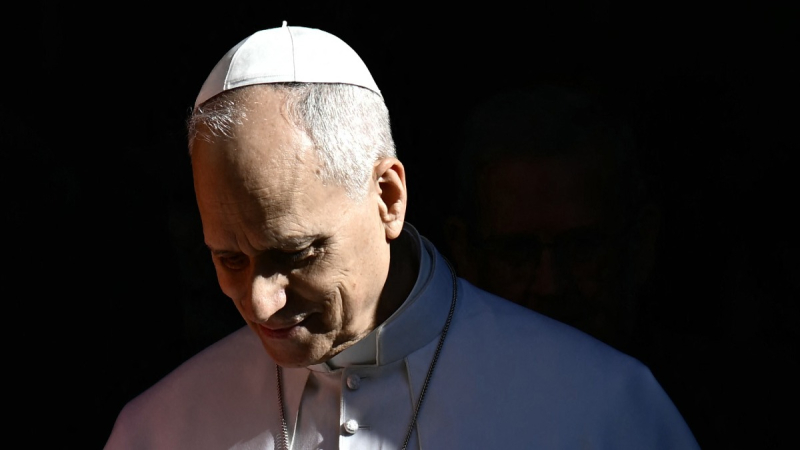
Pope Francis Reaffirms Mission of Mercy as Vatican Releases New Guidelines on Pastoral Care
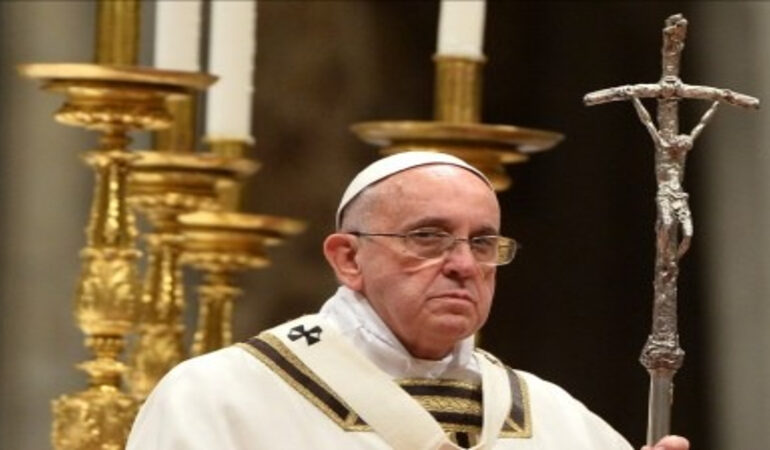

Pope Francis has renewed his call for a Church shaped by compassion as the Vatican introduced new guidelines on pastoral care aimed at strengthening how clergy accompany individuals and communities. The document emphasizes listening, discernment, and a renewed commitment to service. It reflects a consistent theme of Francis’ pontificate: a pastoral model rooted in closeness, patience, and genuine human encounter.
The release arrives at a time when global Catholics continue seeking guidance on how the Church can respond more effectively to complex social and spiritual challenges. The guidelines encourage clergy and pastoral workers to deepen their engagement with the faithful while upholding the Church’s doctrinal responsibilities. They also highlight the importance of collaboration between bishops, priests, religious, and lay ministers in building a more integrated pastoral mission.
Core Themes of Mercy and Accompaniment
At the heart of the new guidelines is the call for mercy to shape every pastoral interaction. Pope Francis has repeatedly emphasized that the Church must not become distant from the daily realities of its people. The guidelines encourage clergy to approach those who struggle with faith, family challenges, social exclusion, or moral uncertainty with patience and understanding. The focus is not on replacing doctrine but on ensuring it is communicated with humanity.
The document also highlights the importance of spiritual accompaniment, which involves walking alongside individuals rather than offering quick or rigid responses. This approach is seen as essential for responding to the needs of young people, families, migrants, and those experiencing hardship. The guidelines reaffirm the Church’s responsibility to serve as a bridge for healing and reconciliation rather than a barrier that isolates people from spiritual support.
Renewed Formation for Clergy and Lay Ministers
A significant portion of the guidelines addresses the formation of those involved in pastoral ministry. The Vatican encourages dioceses to strengthen programs that help ministers understand cultural contexts, social realities, and the psychological needs of the people they serve. Formation is described as ongoing, not limited to seminary training, and essential for addressing the rapid changes in society.
The guidelines also point to the growing importance of lay ministry. Many communities rely on lay catechists, pastoral coordinators, and volunteers, particularly in regions with priest shortages. The document calls for clearer structures of collaboration between clergy and lay ministers to ensure consistent pastoral care across parishes and dioceses.
Listening as a Pastoral Priority
Listening is presented as a foundational pastoral skill. The guidelines urge ministers to create spaces where people feel safe to express their experiences and concerns. This is especially relevant in communities affected by migration, conflict, or economic instability. The Vatican stresses that authentic listening can help restore trust and encourage individuals to re-engage with their faith.
The emphasis on listening also aligns with the ongoing global synodal process, which aims to build a more participatory and dialogical Church. The guidelines underline that pastoral workers should be attentive to both the joys and the sufferings of their communities, allowing pastoral plans to grow from real lived experience.
Strengthening Community Outreach and Parish Life
The document encourages parishes to expand outreach efforts, especially toward those who feel distant from the Church. This includes visiting the elderly and homebound, supporting families facing financial stress, and fostering programs for youth and young adults. Parishes are invited to build partnerships with local organizations to respond more effectively to social challenges.
Community life is also highlighted as a source of spiritual nourishment. The guidelines recommend creating parish environments where people can build supportive relationships, find opportunities for service, and encounter the richness of the Church’s sacramental and communal traditions.
Conclusion
The new guidelines on pastoral care reaffirm Pope Francis’ enduring vision of a Church shaped by mercy, listening, and active engagement. They call ministers to deeper compassion and a renewed commitment to serving the concrete needs of their communities. In highlighting accompaniment, formation, listening, and outreach, the Vatican encourages a pastoral approach that meets people where they are while guiding them toward faith and hope.