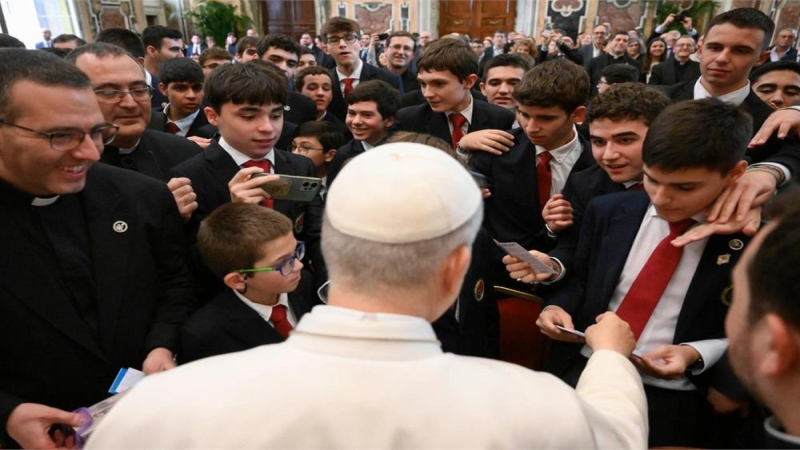
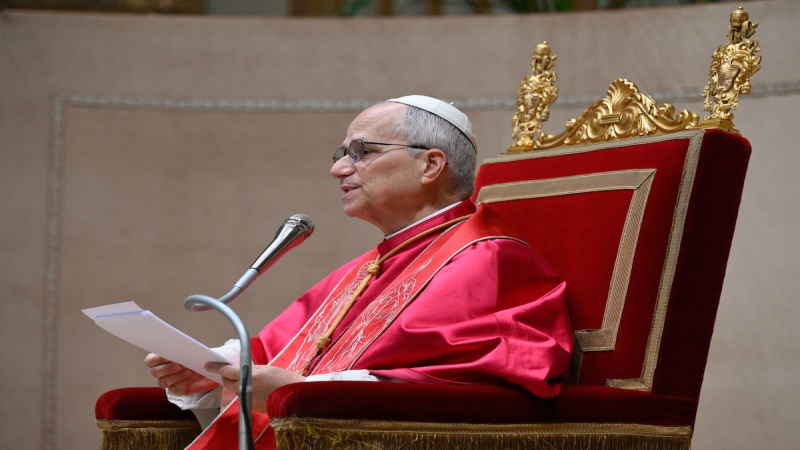


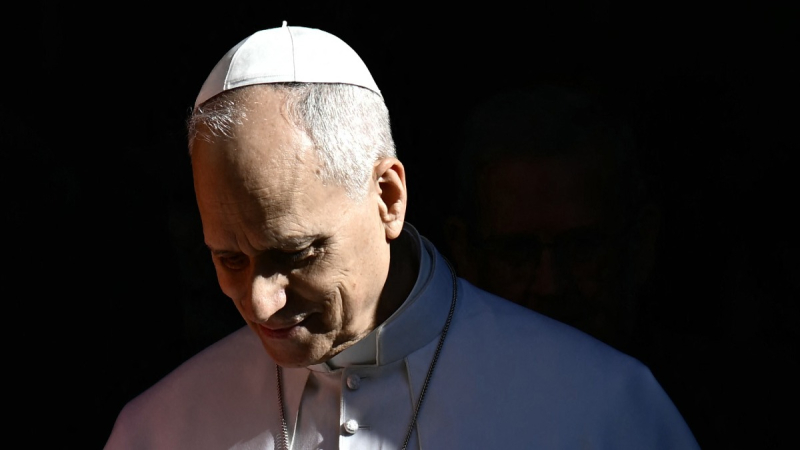
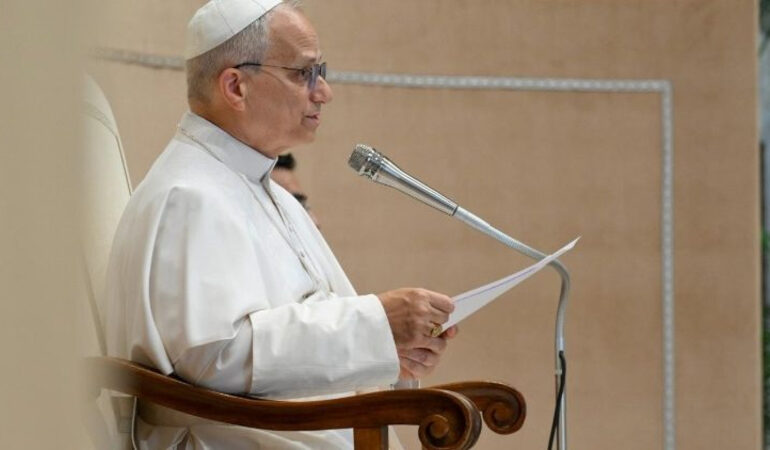

Pope Leo XIV marked the fiftieth anniversary of the Italian daily La Repubblica with a message that framed press freedom as a civic duty rather than a professional privilege. Addressing the paper’s leadership and journalists, the Pope reflected on the role of media in recounting history with independence while maintaining responsibility toward readers and society. He noted that journalism, when practiced with integrity, becomes a space where plural perspectives can coexist without descending into hostility. In a period shaped by polarization and rapid information cycles, he emphasized that freedom of inquiry must remain linked to transparency and ethical judgment. His message avoided commentary on specific political contexts, instead focusing on the long arc of journalism as a public service. By situating press freedom within dialogue and truth seeking, the Pope underscored its contribution to social cohesion rather than ideological contest.
Reflecting on the newspaper’s roots and growth, the Pope acknowledged its presence across Italy while noting the symbolic importance of its base in Rome. From that vantage point, he observed, the paper has followed both national and global developments, including the life of the Church, with editorial independence. He praised the sustained relationship between journalists and readers, suggesting that trust built over decades forms the foundation of credible reporting. According to his message, journalism gains authority not from influence or alignment but from consistency in method and openness to scrutiny. The Pope pointed to diversity of opinion as an inevitable and even necessary feature of public discourse, provided it is guided by respect and factual rigor. In this sense, freedom of the press was presented as an ongoing discipline that requires renewal with each generation of reporters.
The Pope further connected journalism to dialogue, describing communication as a tool that can either intensify conflict or help societies navigate difference. He argued that when dialogue is pursued without prejudice, it opens pathways toward understanding and peace. This responsibility, he implied, rests heavily on media institutions that shape narratives and frame debates. Rather than calling for uniformity, he encouraged a press culture capable of hosting disagreement without eroding the common good. His remarks suggested that journalism’s moral dimension lies not in advocacy but in fostering conditions where truth can emerge through encounter. By emphasizing dialogue over confrontation, the Pope positioned the press as a mediator within democratic life, capable of bridging divides when guided by patience and intellectual honesty.
The anniversary celebrations for La Repubblica included a public exhibition in Rome that traces the newspaper’s history through images and reporting milestones. The initiative reflects a broader moment of reflection on how media has evolved alongside political, social, and cultural change. The Pope’s message, delivered within this context, avoided nostalgia and instead looked forward, expressing hope that future journalism would remain anchored in freedom and responsibility. His closing remarks encouraged continued commitment to communication that resists simplification and exclusion. Without offering prescriptions, the message affirmed journalism as a vocation with lasting social impact. In doing so, it aligned the Church’s voice with principles of openness and accountability that extend beyond institutional boundaries and into the shared public sphere.