
Pope Leo and Croatia’s Prime Minister Discuss Regional Stability and Shared Priorities
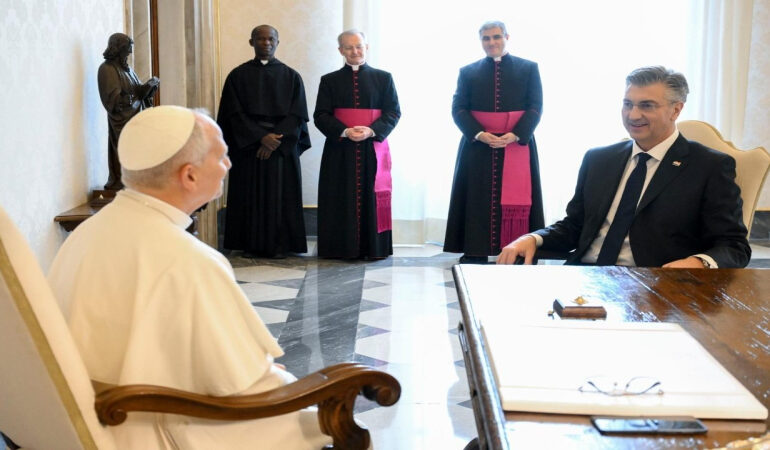

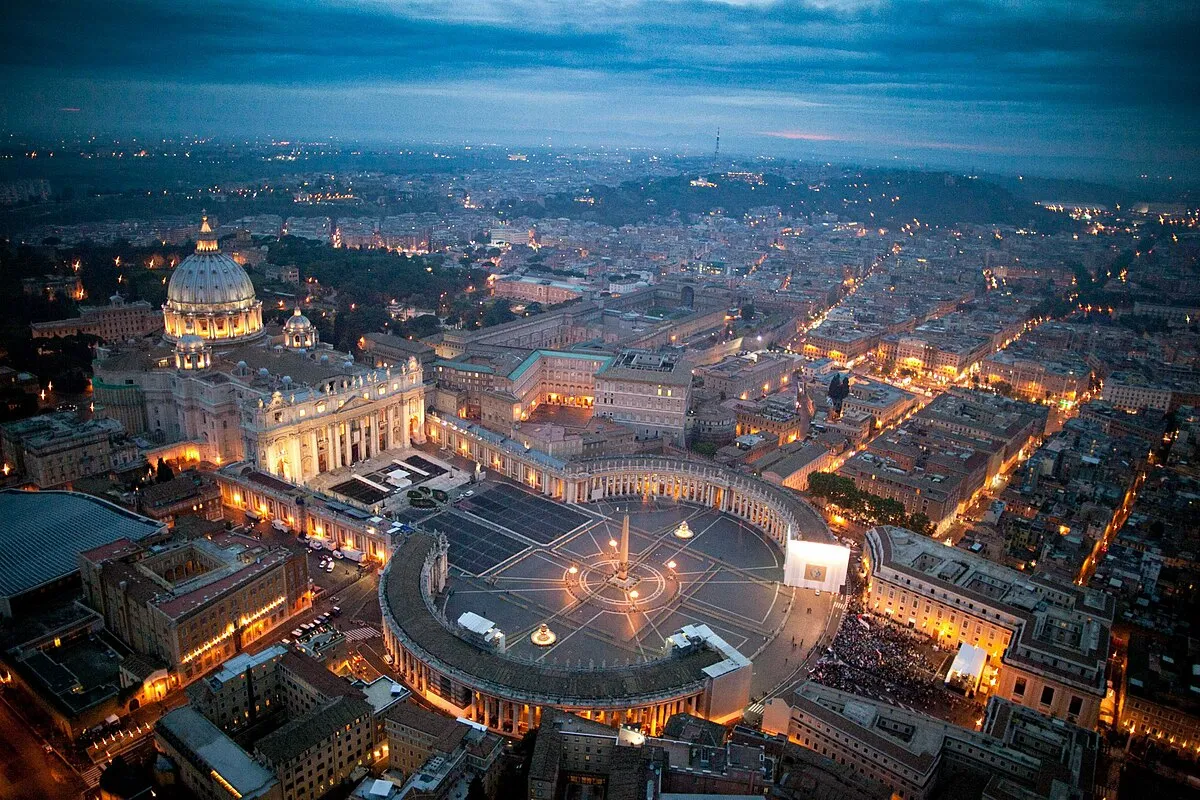
The meeting between Pope Leo XIV and Croatian Prime Minister Andrej Plenković offered a moment of diplomatic clarity at a time when Europe continues to face overlapping social and geopolitical pressures. Received at the Apostolic Palace, the Prime Minister engaged in a conversation that reflected both the maturity of Croatia’s relationship with the Holy See and the growing importance of regional cooperation within the Western Balkans. The discussions followed his earlier meeting with Cardinal Pietro Parolin and Monsignor Mihăiță Blaj, where the parties highlighted their shared intention to strengthen collaboration in areas where the Church’s social presence intersects with national development. This exchange was marked by a calm and deliberate diplomatic tone, demonstrating how established relations between the Vatican and Croatia continue to provide a stable platform for evaluating broader international challenges. In this sense, the meeting served not only as a courtesy visit but as a reminder of how mid-sized European nations rely on cross institutional dialogue when responding to shifting regional dynamics.
The conversation also extended to a coordinated assessment of current tensions affecting continental security, particularly the ongoing conflict in Ukraine and its far reaching humanitarian implications. Pope Leo has consistently emphasized the moral urgency of addressing the consequences of prolonged warfare, and the Croatian government has likewise remained attentive to regional responses shaped by solidarity and diplomacy. This shared concern allowed the dialogue to move beyond protocol and toward reflection on how political and ecclesial actors interpret their responsibilities amid destabilizing crises. The inclusion of Western Balkan cooperation underscored how the region continues to serve as a strategic and cultural bridge, where questions of identity, governance and social reconciliation often require structured engagement. Against this backdrop, the reaffirmation of good relations between Croatia and the Holy See acquired additional weight, offering a framework through which both parties can pursue mutual priorities while observing the broader situation unfolding across Europe.
The Vatican’s steady interest in the Western Balkans and its closely monitored attention to the conflict in Ukraine reflect its wider commitment to safeguarding human dignity, supporting diplomatic negotiation and encouraging the kind of institutional stability that promotes long term peace. In acknowledging Croatia’s role within this context, the meeting highlighted an evolving understanding of how states and religious institutions can collaborate in a manner that respects their different competencies while recognizing their shared human concerns. The discussions pointed to areas where cooperation may deepen, including social support programs and regional initiatives oriented toward reconciliation. While the audience itself remained formal, its substance echoed a broader trend within the current papacy, which places strong emphasis on structured dialogue as a means of fostering stability. For observers of Vatican diplomacy, the meeting illustrated how the Holy See continues engaging with European leaders in a manner that blends principled reflection with pragmatic awareness of unfolding events.